

Spray-dried flavors are often the answer for

manufacturers who need food flavoring with a long shelf life.

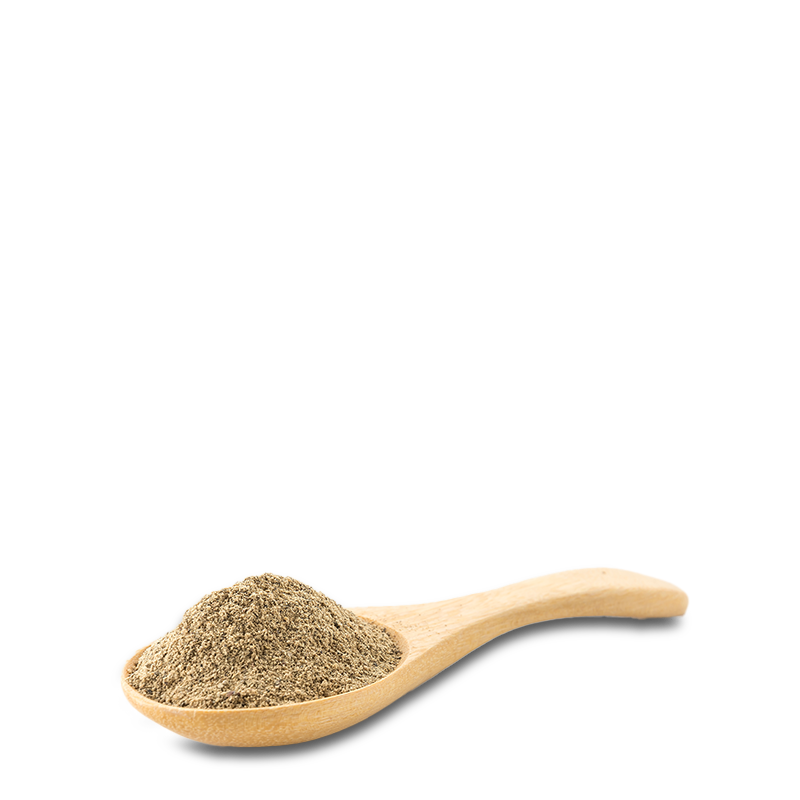
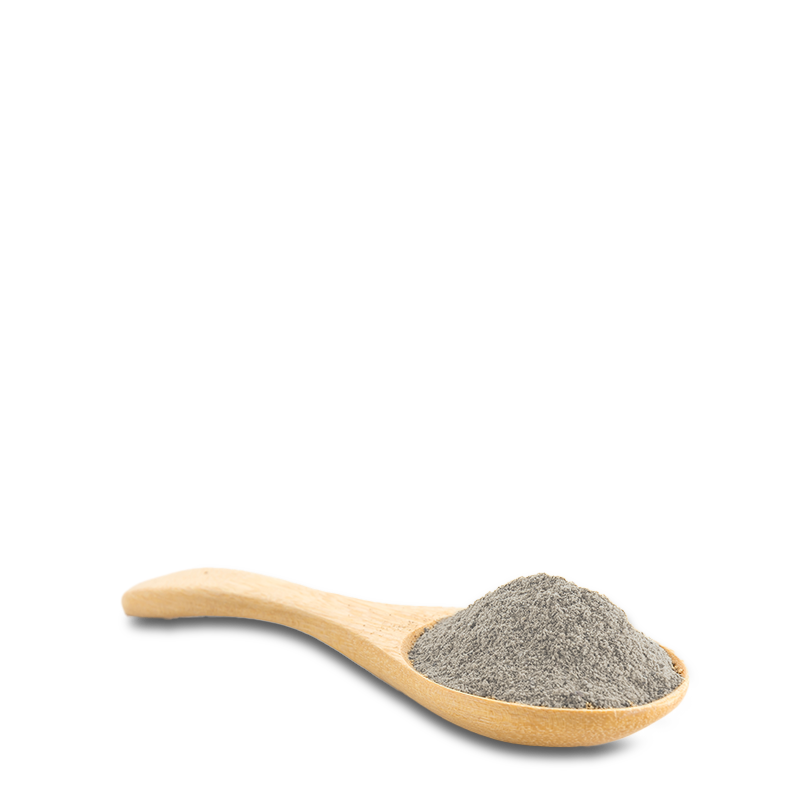
To create a spray-dried flavor, we start with a concentrated liquid base and add it to emulsifiers to create an emulsion. This emulsion is then put through a spray drier unit to eliminate the water so that the end product is a fine, encapsulated powder. Our spray-drying process prevents food flavorings from reacting with other product ingredients, improves heat and oxidation resistance, and protects our flavors’ integrity and consistency.

This process accounts for about 80 percent of all encapsulated spray flavors sold in the U.S. today. And our flavor chemists are very good at getting it right.

Our Capabilities

Mother Murphy’s flavor chemists are experienced in the varied encapsulation techniques that can be used to create spray-dried flavors. It’s their knowledge of nuances that allows us to offer more options for spray-dried flavors than many of our competitors.
Flavor Builder

Help Mother Murphy's create a sample just for you! Describe the custom flavor sample that you want to build and select the features that will accelerate your next creation.

Learn More
Image
Image

Flavor Builder

Help Mother Murphy's create a sample just for you! Describe the custom flavor sample that you want to build and select the features that will accelerate your next creation.

Learn More
Image
Image

Latest News

Why a Single Note Can Unlock a Whole Moment One whiff of a familiar aroma can yank you back in time with disrespectful speed. Not a vague “I remember this,” but a full-body replay: kitchen light, weather, the exact emotional soundtrack. That isn’t poetry. It’s biology—often called the Proust effect, where taste and smell cues trigger especially potent autobiographical memories. 
Learn More
Nostalgia Flavors
It’s 4:47 p.m. in the pilot lab. Your prototype is finally singing: bright fruit top, clean sweetness, a little body to make it feel “real.” Then someone says the sentence every formulator dreads: “We need to add the magnesium.”
Learn More
The Aftertaste Ambush
If you’ve ever sipped a “better-for-you” drink that smelled great but felt thin or chalky, you’ve met the problem: the flavor was fine, but the mouthfeel told a different story. What we casually call “flavor” is really taste, smell, and texture working together – and texture is often doing the quiet heavy lifting.
Learn More
When Texture Talks Louder Than Taste
View All
Image

Ready to get in touch?
Contact us!

Connect With Us

Ready to get in touch?
Contact us!

Connect With Us