January 28, 2026
/
Why a Single Note Can Unlock a Whole Moment
One whiff of a familiar aroma can yank you back in time with disrespectful speed. Not a vague “I remember this,” but a full-body replay: kitchen light, weather, the exact emotional soundtrack. That isn’t poetry. It’s biology—often called the Proust effect, where taste and smell cues trigger especially potent autobiographical memories.
For R&D, this matters because nostalgia isn’t a single flavor note you can “add.” It’s a cue system: the right odor memory trigger, carried by a small set of identity-defining molecules, delivered with the right timing and finish—so the brain says, yes, that’s it.

Why smell is such a powerful memory key
Smell has a special way of tangling itself up with emotion and personal memory. In real-world studies, odor-cued memories tend to feel more emotional and more “transporting” than memories cued by other sensory prompts. Brain-imaging work also supports the idea that odor-evoked memories light up emotion- and memory-related pathways in distinctive ways.
But here’s the nuance R&D folks appreciate: odor-cued memory effects aren’t automatic. Context matters. A key factor is semantic relatedness—how well the odor “belongs” to the remembered situation. When the cue matches the context, the memory hit tends to get stronger. When it doesn’t, you can get recognition without the emotional punch.
And timing matters across a life, too. Research on first odor memories suggests many people’s earliest odor-linked memories cluster in childhood, which helps explain why “simple” flavors can carry outsize emotional power.
Working principle: nostalgia happens when a cue is (1) recognizable, (2) context-matched, and (3) emotionally contoured—not just “classic.”
Nostalgia has chemistry: signature odorants and “identity load”
If nostalgia were only “familiar flavors,” your job would be easy: pick a classic and call it a day. The real lever is signature odorants—the small subset of odor-active compounds that carry the identity. Reality check from the lab: a product can contain hundreds of volatiles, but only some truly matter to what humans actually perceive at real concentrations. That’s a big reason GC–O exists: abundance alone doesn’t tell you what the nose and brain will register as “this flavor.”
That’s why “authenticity” fails so often in reformulations. You can preserve the ingredient list vibe and still lose the signature because:
- the key odorants shift (they’re created, lost, bound up, or released differently),
- the balance changes (some notes cover others, or previously hidden notes pop out), or
- the time profile changes (what you get first vs. what hangs around at the end). [6]

Sensory recall design: intensity, timing, and the last note that seals it
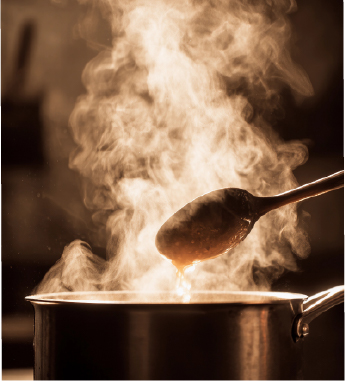

Nostalgia rarely lives in one big hit. It’s usually a sequence: a quick top-note “hello,” a mid-palate “yes, that’s right,” and a finish that tells your brain the story ended the way it remembers.
This is where dynamic sensory tools help you measure what’s happening instead of guessing. Temporal methods (including TCATA-style approaches) are designed for products where perception shifts over time, capturing when attributes show up and how long they linger. Research using temporal approaches also shows how processing factors can shorten or shift how long tastes and flavors hang around—exactly the kind of subtle change that turns “this tastes like my childhood” into “this tastes… close.”
Practical hypothesis (worth testing): nostalgia often “locks in” during the finish—roughly the last several seconds after swallow—when lingering aromatics and warm notes resolve into recognition.
Mini case snapshots: five nostalgic families (no brands, just brain chemistry)

Vanilla
Vanilla nostalgia is a perfect lesson in signature odorants. Vanillin is often the dominant volatile in cured vanilla, but the “real vanilla” experience depends on a supporting cast of other odor-active compounds that show up in GC–O work. In plain terms: protect the ensemble, not just the headliner.
Modernization watch-out: sugar reduction can thin body and mute warmth—so you may need to rebuild texture and balance without pushing vanilla into “perfumey” or “flat.”

Strawberry
Strawberry “authenticity” often lives in a tight cluster of character notes that read as fruit, jam, dairy, or candy depending on balance. Work in strawberry flavor chemistry commonly tracks compounds like furaneol and mesifurane alongside vanilla-like notes, because small shifts can swing the profile from “fresh” to “cooked” to “confectionery.”
Modernization watch-out: high-intensity sweeteners can change perceived fruit ripeness by altering sweetness timing and aftertaste, which can reframe the same aroma as less natural.

Cola
Cola nostalgia is less about one molecule and more about a precise architecture: bright top notes, warm spice, and a caramel-brown base with a clean, carbonated lift.
Modernization watch-out: swap sugar systems or acid profiles and the “fountain-style” memory can collapse into “spicy citrus beverage,” especially if bitterness or lingering sweetener notes drift into the finish.

Peanut Butter
Peanut butter nostalgia often rides on roasted notes. In vivo aroma work on roasted peanut and peanut paste identifies methyl-substituted pyrazines (plus compounds like furfural) as key odorants—exactly the kind of “small set” that can make or break recognition. Texture also changes aroma release, which matters when you shift fat systems or protein content.
Modernization watch-out: reformulations that change viscosity or melt can change aroma release dynamics, and suddenly your “same flavor” doesn’t read the same in-mouth.
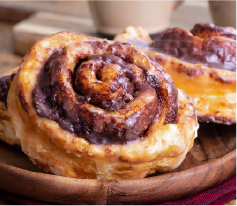
Cinnamon Bakery
Cinnamon bakery cues are powerful because they’re chemically and culturally easy to read. Cinnamon bark contains high levels of trans-cinnamaldehyde, and this compound is directly linked to cinnamon-like odor.
Modernization watch-out: reduce sugar and you also reduce browning and baked volatiles—so the cinnamon can feel sharper and less “bun-like” unless you rebuild the baked foundation.

Measuring “felt nostalgia” vs. “tastes like ____” (and why both matter)
Consumers can tell you two different truths:
- Recognition: “This tastes like cinnamon bakery.”
- Emotion: “This reminds me of weekend mornings at my grandmother’s.”
Those aren’t the same measure, so don’t force them into one question. Research on consumer sensory methods shows that how you ask—and even the order you present attributes—can change results, and that modern frameworks increasingly connect product-evoked responses (including emotions) to intent-related measures.
Best practice: capture “reminds me of…” associations early—before you optimize away the very imperfections that made the memory cue real.
Modernizing nostalgia without breaking it: sugar, sweeteners, and texture
Sugar reduction is where nostalgia projects go to get humbled. Sugar isn’t just sweetness; it contributes bulk, browning/caramelization, flavor balance, texture, mouthfeel, and more. Replace it and you change both the signal (flavor) and the carrier (texture + release).
Botanical and flavor-modulation approaches can help manage bitter/off-notes and sweetness gaps, but they’re still part of a system—not a one-ingredient fix.

R&D Takeaways
- Build a memory-note map: identify which odorants drive recognition and emotional lift (signature + contour).
- Prototype with finish in mind—nostalgia often resolves in the lingering moments after swallow (test it dynamically).
- Use consumer-language panels early to capture “reminds me of…” associations before heavy optimization.


What to Measure
- Consumer: recognition (“tastes like…”) + emotion prompts (“reminds me of…”) + intent/choice tasks.
- Sensory: dynamic timing/linger (temporal methods) + finish quality + aftertaste drift.
- Analytical: GC–O / odor-active confirmation of signature odorants + batch-to-batch variance on key drivers.
- Stability: signature-note fade, sweetener aftertaste growth, oxidation-driven shifts (especially in warm spice/nut systems).
Helpful next step
If you’re building (or modernizing) a nostalgic flavor, it helps to keep a running library of what’s trending and what’s technically changing in formulation right now.
The Flavor Industry Insights & Trends hub is a good place to start.
Insights & Trends
The “Protein Problem”
July 29, 2026

Lemon-Lime Lost Its Monopoly
July 14, 2026

Coffee’s Next Frontier
June 22, 2026
Maximalism, Refined: Why Bigger Flavor Is Getting Smarter
June 12, 2026

Spice Without Pain
May 29, 2026
Botanicals Take the Lead
May 14, 2026
Color Talks Before Flavor Does
April 28, 2026
From “Asian-Inspired” to Region-True
April 13, 2026

Strawberry’s Not Moody—Your Formula Is
March 31, 2026

Dessert Déjà Vu, Upgraded
March 12, 2026
Cravings, Rewired: The Science of Shifting Taste
February 26, 2026
Swicy, but Make It Fruit
February 12, 2026

Nostalgia Flavors
January 28, 2026
Stack Attack
January 13, 2026

The Aftertaste Ambush
January 1, 2026

Function in Disguise
December 12, 2025

When Texture Talks Louder Than Taste
November 28, 2025
Spice. Sprinkle. Savor.
November 12, 2025
When Less Is More
October 29, 2025

From Snack to Savor
October 13, 2025
View All Blog Posts