January 1, 2026
/
When Actives Wait Until the Finish to Strike
It’s 4:47 p.m. in the pilot lab. Your prototype is finally singing: bright fruit top, clean sweetness, a little body to make it feel “real.” Then someone says the sentence every formulator dreads: “We need to add the magnesium.”
You stir, you sip… and the whole system tilts. The aroma feels quieter. Sweetness thins. And after swallow, a dry, tongue-grippy finish arrives like it booked the final scene. That’s the real punchline of functional formulation: many actives don’t just “taste bad.” They reroute perception—taste, mouthfeel, aftertaste timing, and even what retronasal aroma gets to contribute.
Myth vs Reality
Myth: “If it’s masked in the sip, we’re done.”
Reality: The finish is where many functional systems win or lose.

Why This Keeps Showing Up on Briefs
“Functional” isn’t a niche request anymore—it’s a growth brief. In the U.S. and Canada, 29% of consumers actively check ingredients and labels; in the same region, energy drinks with active health claims show 3% CAGR growth over the past four years. Health and wellness products in U.S. food and beverage reached $694B between July 2024 and July 2025. Translation: more minerals, botanicals, and “actives” are being asked to live inside everyday products—and the sensory tax lands on the same few notes again and again.
The Big Three Off-Notes: Metallic, Bitter, Astringent
Minerals and botanicals don’t bring a single clean “taste.” For example, chloride salts of magnesium and calcium are described as primarily bitter (often alongside saltiness), and shifting to larger anions such as lactate can change the sensory profile. Consumers don’t describe that as “complex.” They describe it as “weird.”
Metallic
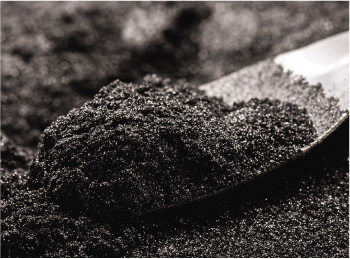
People say “penny,” “tinny,” “blood,” “licked a battery.” Iron fortification is a frequent trigger. Work on iron and copper salts shows their metallic flavor component drops when the nose is occluded—evidence that retronasal smell is part of what people call “metallic.”
Bitter
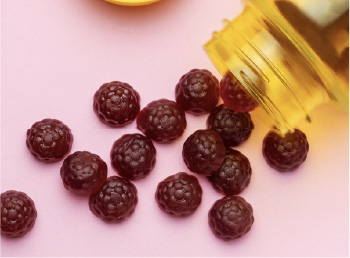
Bitter is rarely just one thing in functional systems. If a magnesium gummy reads “medicine-y,” it’s often bitterness plus timing plus mouthfeel, not bitterness alone. Counter-ion choice can quietly move that bitterness around.
Astringent
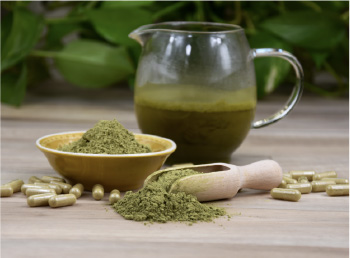
Astringency is the “drying,” “tongue-grippy,” “chalky” sensation. Botanical actives rich in polyphenols (think tea-like or extract-driven profiles) are classic triggers; reviews on bitter/astringent compounds and mechanisms highlight why these sensations often linger into the finish.
Why The Same Mineral Behaves Differently: Speciation + Interactions
Speciation is the quiet puppet master: minerals don’t float around as isolated ions. Their form depends on pH, ionic strength, and what else is in the matrix. Swap counter-ions and you can change what’s “free” to interact with receptors (and what gets inhibited).
A practical illustration: the same divalent cation can taste different depending on the anion it’s paired with—one reason calcium chloride behaves differently than calcium lactate in real systems. In plain language: upstream ingredient form can save you more pain than downstream “add more flavor.”

Binding, Delayed Release, and the “Surprise Finish”
Functional systems are rarely judged at first sip. They’re judged in the timeline.
Proteins, emulsions, and plant actives can shift when sensations show up by binding, buffering, and changing diffusion. In high-protein beverages, astringency mechanisms can intensify mouth drying during consumption and into the finish. Add polyphenol-rich botanicals and you add pathways that make bitterness/astringency feel “late”—even when the front end seems fine.
Structure can help—while also changing timing. W/O/W (water-in-oil-in-water) emulsions have been developed to convey ferrous sulfate for iron fortification while reducing sensory quality loss, underscoring that delivery format can materially affect what the consumer perceives.
The Strategy Ladder (4-Step, in Order)
Formulation first
Choose the active form (salt/counter-ion), set pH, manage ionic strength, and build a base that doesn’t spotlight the off-note.
Modulation
Reduce the signal (bitterness, metallic, astringent) with targeted approaches before you rebuild character.
Character rebuild
Re-architect top/mid/base notes so the profile feels intentional—especially the finish.
Masking (last resort)
Heavy masking can mute positives and still fail after swallow; it’s sometimes necessary, rarely elegant.
Botanicals: Bitterness-as-Premium vs Bitterness-as-Medicine
Bitterness can read as “crafted” or “cough syrup.” The difference is concept and balance.
Lean into controlled bitterness when the product cues “tonic,” “tea-like,” or “herbal,” and support it with congruent aroma so the finish feels purposeful. Neutralize it when the concept cues “refreshing,” “fruity,” or “comfort,” where lingering bitter/astringent chemistry tends to be interpreted as medicinal.

Sensory Protocol that Actually Helps
Static “overall liking” won’t diagnose functional problems. Use dynamic methods.
Temporal methods help you find when the off-note wins. Temporal Dominance of Sensations (TDS) captures which attribute is dominant at each moment—useful when bitter, metallic, and astringent compete. Pair that with a time-intensity view for your “Big Three” attributes, and make “post-swallow dominance” a gating metric—not an anecdote.
Commercial Reality Check
Better-for-you expectations often arrive with sugar reduction, which removes tools (sweetness, viscosity, familiar mouthfeel) that normally hide off-notes. Industry commentary notes how hard it is to replicate sugar’s sensory qualities—sweetness, texture, and mouthfeel—without introducing new challenges. So the win condition shifts: build “functional-friendly” bases, control timing, and treat finish like a KPI.

Conclusion
Functional formulation isn’t just “add actives, then add flavor.” Minerals and botanicals can reshape the whole perception system—quieting aroma, shifting sweetness, and saving their sharpest edges for the finish. The fastest path to a product people actually repurchase is to treat chemistry and timing as part of flavor design: pick the right ingredient form, build a base that’s friendly to actives, and measure what happens after swallow—not just what happens at first sip. When the finish is clean, everything upstream suddenly tastes smarter.
Explore more flavor science deep dives at
https://mothermurphys.com/company/flavor-industry-insights-and-trends/.

Insights & Trends

Premium, Complex… or Medicinal?
September 28, 2026
The Scoville Scale Is Losing the Plot
September 14, 2026

Why the Second Sip Gives Your Sweetener Away
August 28, 2026
When “Naturally Sweet” Gets Complicated
August 11, 2026
The “Protein Problem”
July 29, 2026

Lemon-Lime Lost Its Monopoly
July 14, 2026

Coffee’s Next Frontier
June 22, 2026

Maximalism, Refined: Why Bigger Flavor Is Getting Smarter
June 12, 2026
Spice Without Pain
May 29, 2026

Botanicals Take the Lead
May 14, 2026
Color Talks Before Flavor Does
April 28, 2026

From “Asian-Inspired” to Region-True
April 13, 2026
Strawberry’s Not Moody—Your Formula Is
March 31, 2026

Dessert Déjà Vu, Upgraded
March 12, 2026

Cravings, Rewired: The Science of Shifting Taste
February 26, 2026
Swicy, but Make It Fruit
February 12, 2026

Nostalgia Flavors
January 28, 2026
Stack Attack
January 13, 2026
The Aftertaste Ambush
January 1, 2026

Function in Disguise
December 12, 2025
View All Blog Posts