January 13, 2026
/
Maximalist Indulgence Is Back (and It’s Getting Smarter)
Dessert-shop “complexity per bite” is migrating into RTD coffee, dairy, and protein snacks. The R&D prize: layered brown-note systems that feel extravagant without turning into a sugar bomb.

Why Now?
You’re in the refrigerated case choosing a “treat.” One option is plain chocolate. The other reads like a bakery ticket—salted caramel brownie, cookie-dough pieces, cheesecake-style drizzle. You grab the stacked one because it promises a small moment of relief. In an April 2025 survey of 1,036 U.S. adults, 62% said little treats are part of their self-care routine, and consumers reported eating something sweet a median four times per week. That’s a lot of weekly opportunities for brown-note magic.
The Trend, Defined
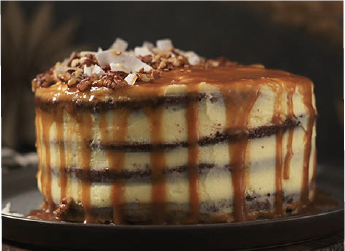
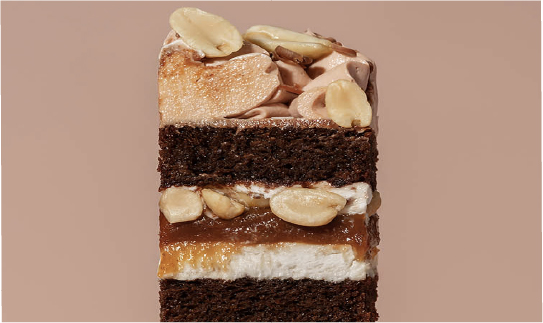
Maximalist indulgence is the “more is more” era of warm dessert anchors—cocoa, caramel, toffee, roasted coffee—stacked into layered experiences (base + swirl + inclusion + topping), not one-note flavoring. Two signals make this more than a vibe: in a 4,000-person U.S. consumer survey, sweet was the #1 taste (36%), and consumers most often look for brown flavors when they’re choosing an indulgent flavor. On the product side, “rich flavor” ranks as the most desired indulgent attribute, and creamy/smooth textures represent over a quarter of indulgent launches—exactly why these profiles show up as swirls, inclusions, foams, and coatings.
What it’s not: random mashups or sugar-as-a-crutch. The goal is dessert-counter complexity, even when the base is reduced-sugar or high-protein. Core anchors (chocolate/caramel/vanilla) stay dominant, with innovation coming through variants like salted caramel and sweet-salty balance.
Mini-explainer: caramel perception isn’t just aroma—research shows taste properties can be major drivers of “caramel flavor,” which is why sweetness, salt, and bitter edges matter in the build.
What’s Driving It

1) Ritualized micro-rewards
Treats are explicitly framed as self-care, reward, and stress coping. 2026 trend outlooks suggest joy-seeking will only get more intentional.
2) “No-regrets” indulgence
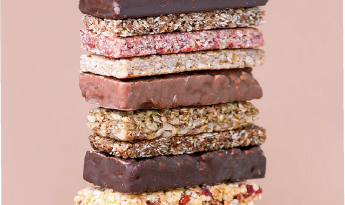
Bakery-inspired snack innovation is pairing indulgent cues with lower sugar/cleaner labels, while beverages push dessert flavors alongside protein/functionality.
3) Differentiation through layering
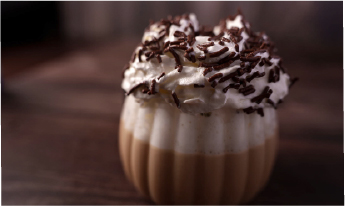
Brown flavors like caramel and chocolate remain dominant anchors in coffee, and dessert-like experiences keep showing up in RTD launches. When “chocolate” is baseline, stacking becomes the signature.

Mini-explainer: “top notes” are the first aromas you smell—high-volatility compounds that fade fastest, so protect them through processing and packaging.
Flavor & Format Playbook (Steal-This Section)
Beverage
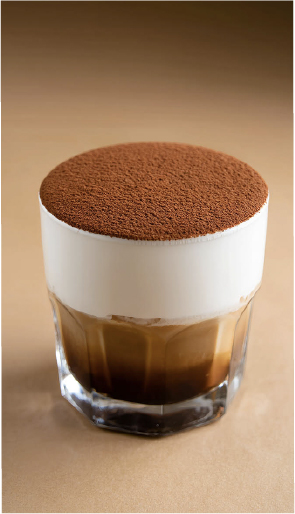
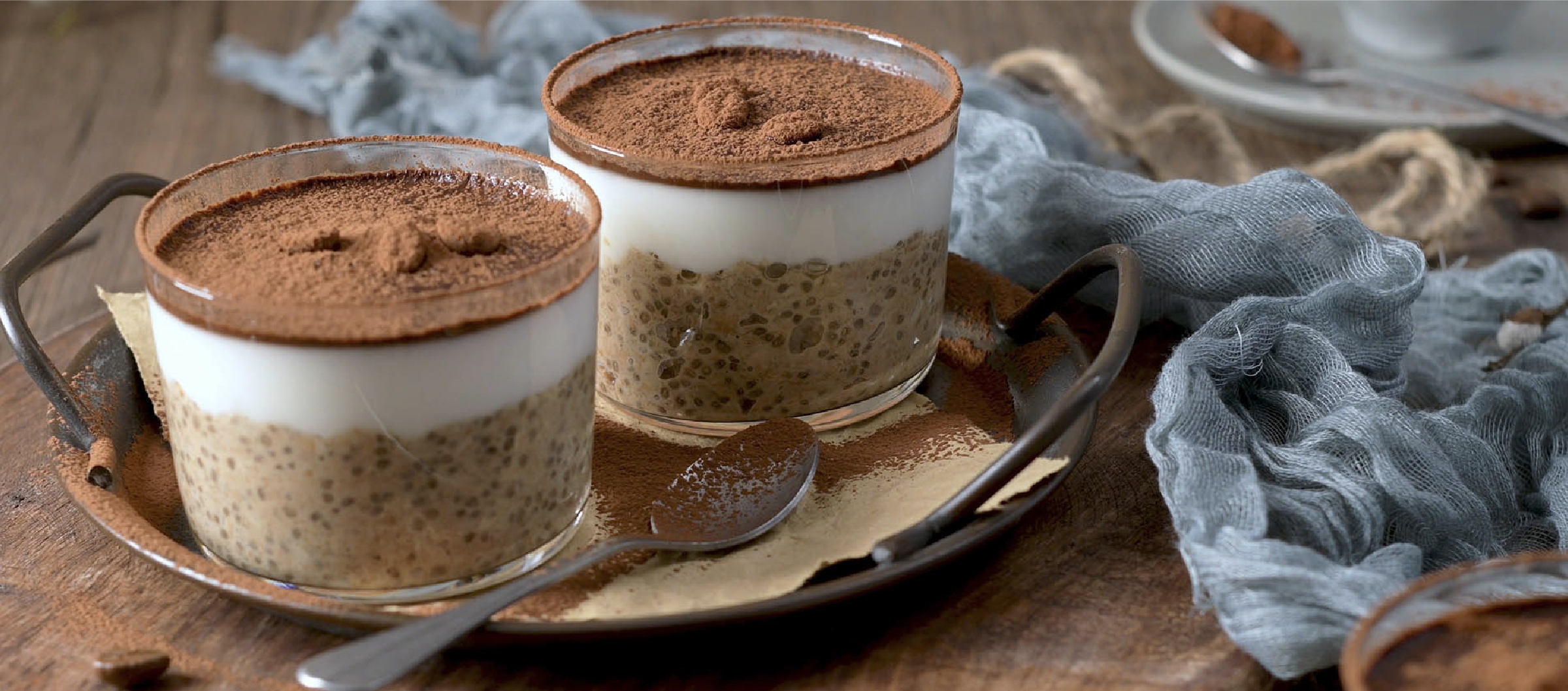
Tiramisu Cold Brew Cloud
- Sensory: espresso + cocoa dust + vanilla-mascarpone cream
- Why it fits: built for little-treat rituals; layered brown notes with dairy “dessert” cues
- Formulation/processing watch-out: coffee acidity can destabilize dairy proteins—buffer/choose a compatible system; add protected top notes late
- Label-friendly descriptor: Tiramisu Cold Brew
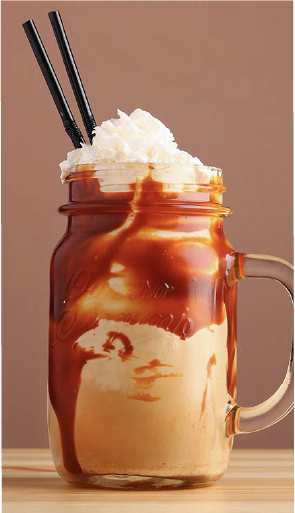
Salted Maple Toffee Protein Shake
- Sensory: toffee/caramel warmth, salted edge, maple-butter finish
- Why it fits: indulgence that still reads “sustaining” in better-for-you bases
- Formulation/processing watch-out: protein and some sweeteners can amplify bitterness/astringency—use a sweetener system plus masking flavors (masking = reducing perceived off-notes)
- Label-friendly descriptor: Salted Maple Toffee
Dairy & Frozen
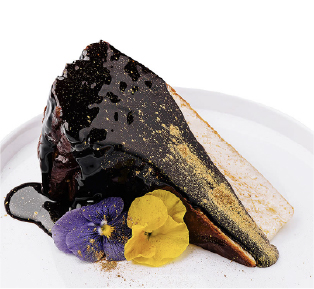
S’mores Cheesecake Swirl Yogurt
- Sensory: graham crust + toasted marshmallow + fudge ripple
- Why it fits: layered comfort + permissible indulgence in snackable dairy
- Formulation/processing watch-out: low pH can mute marshmallow/cream notes—use acid-stable flavors; manage inclusion hydration for crunch
- Label-friendly descriptor: S’mores Cheesecake
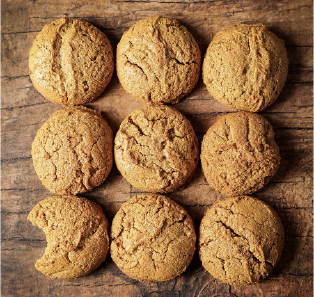
Brown-Butter Cookie Dough Light Ice Cream
- Sensory: caramelized butter + vanilla + cookie-dough bits
- Why it fits: familiar anchors, turned “louder” through layering and texture
- Formulation/processing watch-out: reduced sugar changes freezing point and can spike bitterness—rebuild sweetness perception with aroma and dairy boosters
- Label-friendly descriptor: Brown Butter Cookie Dough
Bakery & Bars
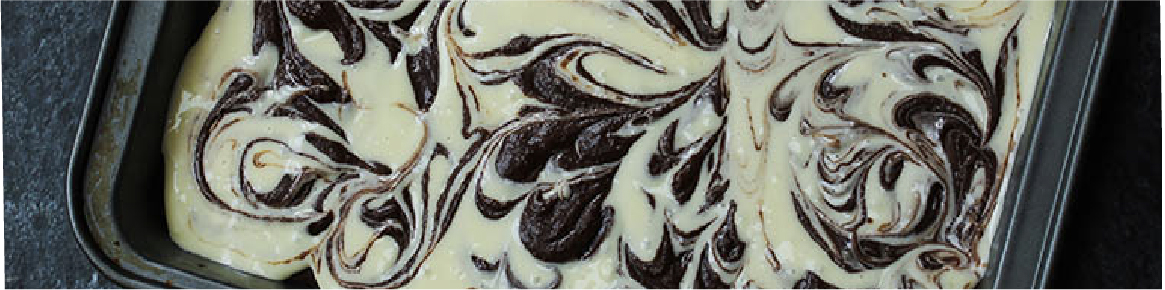
Triple-Stack Brownie Batter Bar
- Sensory: cocoa brownie base + coffee ganache + salted caramel streak
- Why it fits: portion-controlled decadence with contrast and layering
- Formulation/processing watch-out: baking drives aroma loss—use heat-stable flavors and post-bake coatings for “fresh brownie” top notes
- Label-friendly descriptor: Brownie Batter + Caramel
Snack & Confection
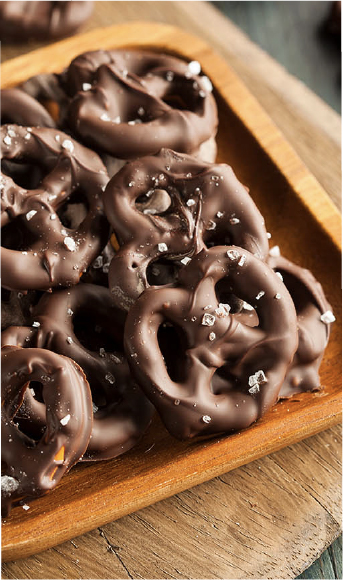
Dark-Choc Pretzel Toffee Clusters
- Sensory: bittersweet cocoa + buttery toffee + salty crunch
- Why it fits: classic sweet/salty brown-note architecture consumers already “get”
- Formulation/processing watch-out: crunchy inclusions hate moisture; barrier-coat particulates and design packaging for humidity control
- Label-friendly descriptor: Dark Chocolate Toffee Pretzel
What Could Go Wrong (Risk & Reality Check)
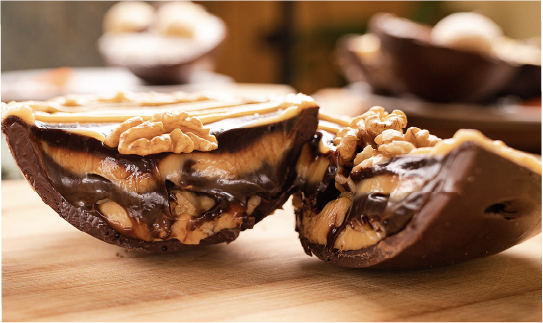
Brown-note overload can turn flat or cloying. Mitigation: build contrast—salt, a touch of bitterness, or a bright top note—so the stack has edges.

Better-for-you bases can betray you (chalky protein, metallic sweeteners). Mitigation: treat sweetness as a system and plan masking early.
Complexity costs money (inclusions, steps, QC). Mitigation: pick one hero inclusion, then build “layers” with flavor architecture and texture cues.
Sensory comprehension can slip (“What am I tasting?”). Mitigation: keep one headline flavor, one supporting note, and let texture do the rest.
The Bottom Line
Maximalist indulgence isn’t just “more chocolate”—it’s engineered dessert complexity, built from layered brown notes, texture, and contrast. Consumers are using treats as repeatable self-care rituals, and 2026 outlooks expect joy-seeking to intensify. Win by designing indulgence like architecture: anchor with familiar brown notes, add contrast, protect top notes, and make the better-for-you matrix taste like it belongs at the dessert counter.
Insights & Trends

Strawberry’s Not Moody—Your Formula Is
March 31, 2026
Dessert Déjà Vu, Upgraded
March 12, 2026
Cravings, Rewired: The Science of Shifting Taste
February 26, 2026
Swicy, but Make It Fruit
February 12, 2026

Nostalgia Flavors
January 28, 2026
Stack Attack
January 13, 2026
The Aftertaste Ambush
January 1, 2026
Function in Disguise
December 12, 2025

When Texture Talks Louder Than Taste
November 28, 2025
Spice. Sprinkle. Savor.
November 12, 2025
When Less Is More
October 29, 2025

From Snack to Savor
October 13, 2025
Precision Fermentation
September 29, 2025
Snackification Nation
September 12, 2025
Snack to the Future
August 28, 2025

Fizz With Benefits
August 13, 2025
Satisfy in a Single Bite
July 28, 2025
From Brine to Brain
July 14, 2025
Taste Bud Turmoil
June 26, 2025
The Salty Snack Game Is Changing: What It Takes to Win with Today’s Consumers
June 13, 2025
View All Blog Posts