
Bread
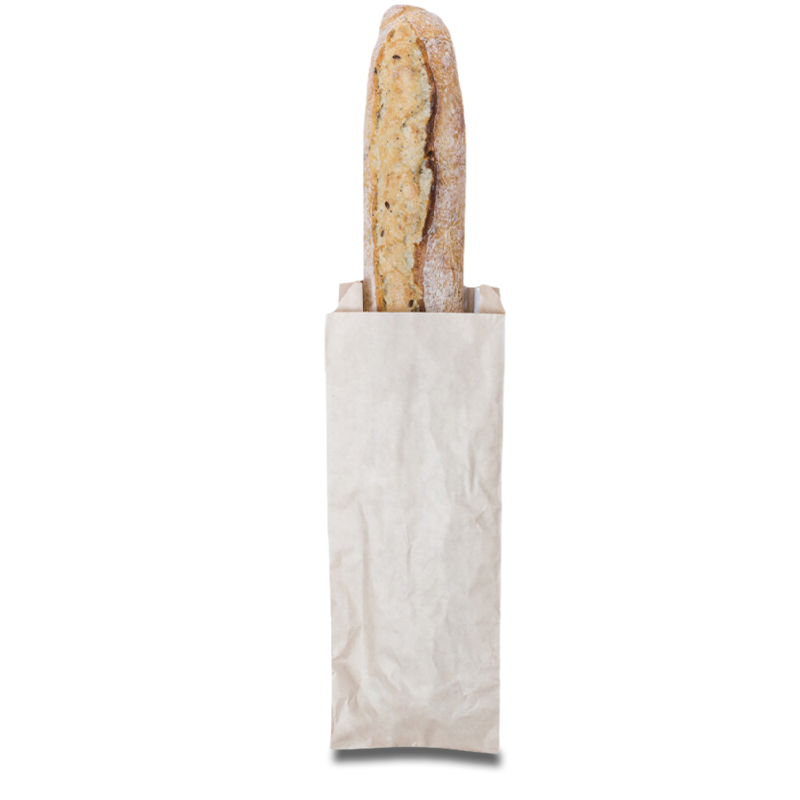
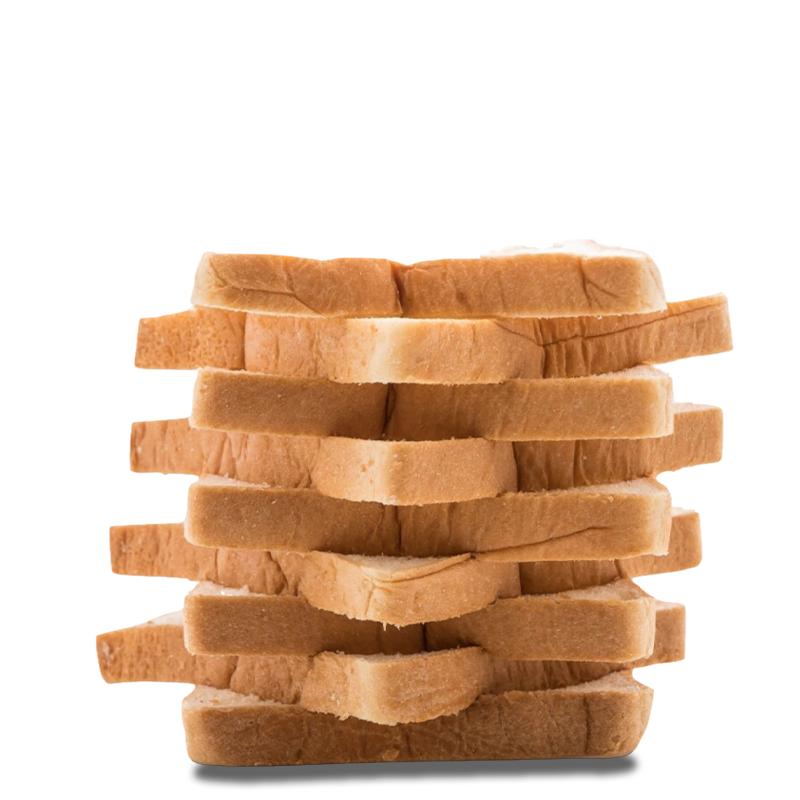
Bread consumption may be on the rise again,
but consumers are no longer happy with a simple sliced loaf.They want gluten-free options, whole grain and nut varieties, unique bread flavors and international textures. They want their bread to taste as fresh as possible, and the ingredients listed on the packaging to be recognizable and clean-label. That’s a tall order, but it’s one we’ve mastered.
We understand the science behind bread making and how to bring out, balance or mask flavors that occur during the baking process. We also know which spices and extracts can interfere with the fermentation process in yeast, which is essential in making breads rise.
Our Capabilities
Our scientists can create custom bread flavors that hold up to high-temperature baking. We are experienced in solving the baking and bread flavor challenges associated with alternative flours, and the specific ingredient and labeling requirements of gluten-free and non-GMO products.
Latest News
Managing Sweetener Side-Tastes Before They Hijack the Second Sip “Zero sugar” is easy to put on the front of the can. The second sip is where the formula has to prove it. The first sip can be gorgeous: bright berry aroma, crisp acid, sweetness right on target. Then the fruit disappears, sweetness keeps hanging around, and something bitter, metallic, cool,
Learn More
Why the Second Sip Gives Your Sweetener Away
Protein Isn’t a Flavor. Until the Formula Makes It One. Protein looks fantastic in 48-point type. In the mouth, it can stage a tiny hostile takeover. The vanilla shake turns into damp cardboard. The fruit drink finishes dry enough to sand a table. The bar delivers 20 grams of protein and 40 seconds of jaw work. “High-protein” may win the
Learn More
The “Protein Problem”
Why One Brew Tastes Fruity and Another Tastes Like a Rubber Band Two coffees can share the same roast level, sit in the same cooler, even wear the same “smooth cold brew” promise—and still act like total strangers. One smells like berry jam, cocoa, and brown sugar. The other lands somewhere between skunk, burnt toast, and a rubber band left
Learn More
Coffee’s Next Frontier
View All