

November 28, 2025
/
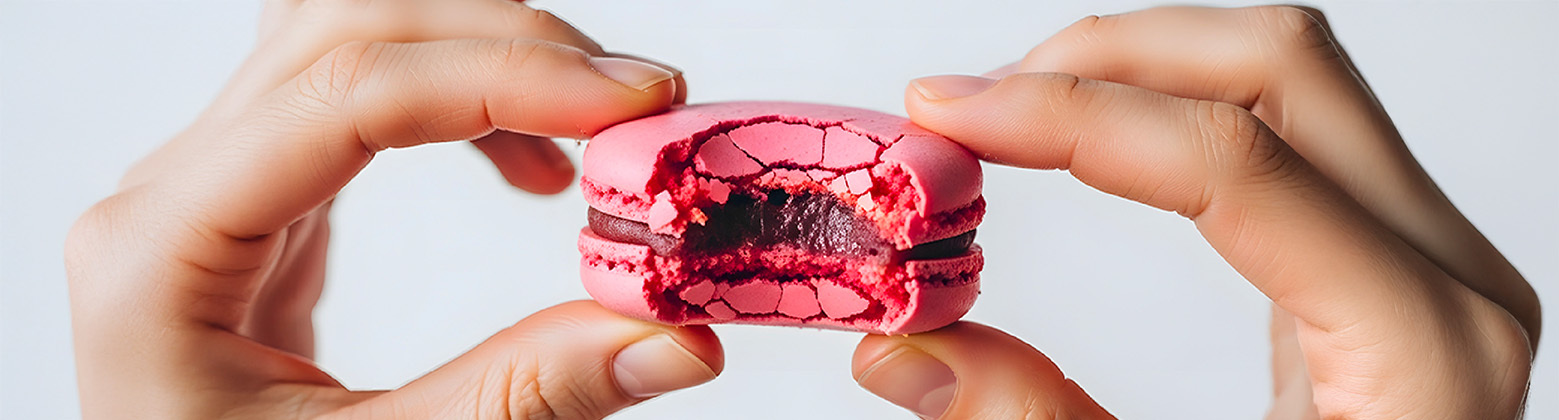
The Real Power of Mouthfeel
If you’ve ever sipped a “better-for-you” drink that smelled great but felt thin or chalky, you’ve met the problem: the flavor was fine, but the mouthfeel told a different story. What we casually call “flavor” is really taste, smell, and texture working together – and texture is often doing the quiet heavy lifting.
From a brain point of view, flavor is a team sport. Your mind pulls together what your taste buds pick up, the aromas that drift up the back of your throat, and all the physical sensations in your mouth – thickness, creaminess, temperature, even a slight roughness or tingle – and merges them into one overall impression. Change the physical structure and you change how aromas are released, which nerves fire, and how full or thin a flavor seems, even if the formula on paper doesn’t move at all.
That’s why the same vanilla system can feel indulgent in a slow-melting, silky base and “cheap” in a watery one. Texture isn’t just a supporting act; it helps set the story of what the flavor is supposed to be.
Texture as a Deal-Maker (or Deal-Breaker)
Consumer data backs up what developers see every day. In one global study, about seven in ten consumers agreed that texture makes food and beverages a more interesting experience. Younger adults lean into it even more: in one age group, 56% said they care more about how a product feels in the mouth than about the ingredient list, compared with 37% of older consumers. Texture was also highlighted as a factor that can tip a product toward acceptance or instant rejection.
In practice, that means a technically “on trend” flavor can still underperform if the crunch, chew, or creaminess is just a little off. Consumers may tell you the “flavor” is wrong, but what they’re actually reacting to is how the product behaves once they start eating or drinking.
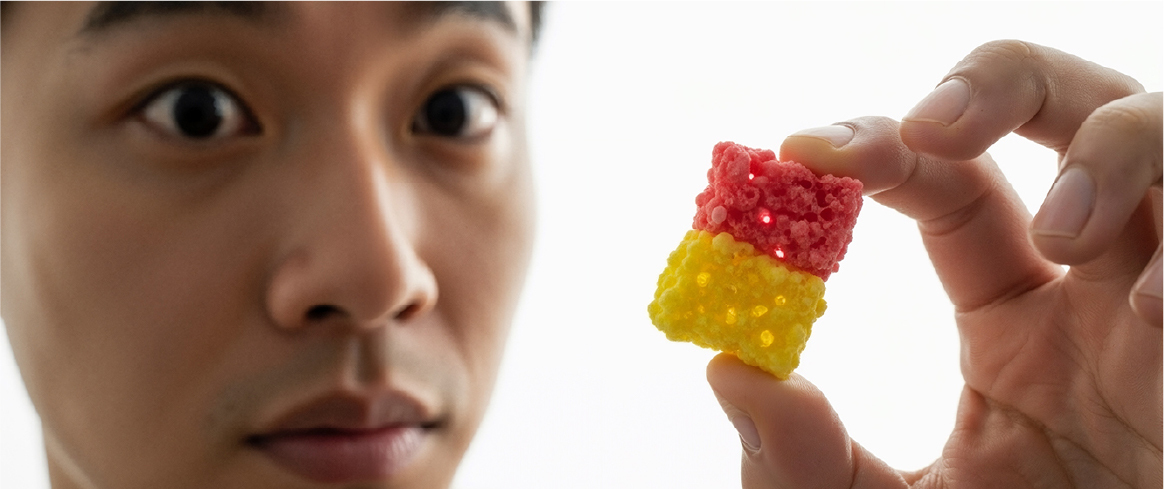
The Hidden Variable: How People Actually Eat
One big reason texture is tricky to get right is that people don’t use their mouths the same way. Long-term research on “mouth behavior” has found four broad groups:
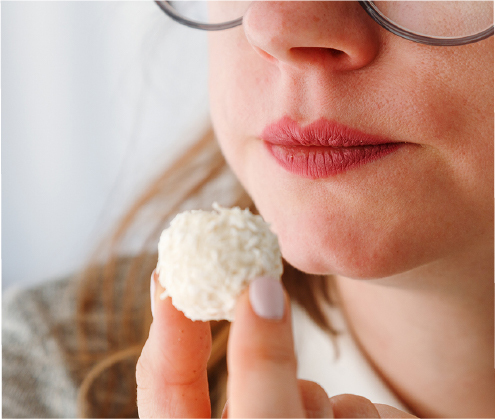
- People who like to chew
- People who love to crunch
- People who smoosh food against the roof of the mouth
People who mainly suck or let foods slowly dissolve
The names are simple, but the impact is big. These habits drive which textures people find satisfying. Texture becomes a support system. Products win when their structure fits how a given group naturally wants to eat. A crisp, noisy shell that delights a “cruncher” might feel tiring or harsh to someone who tends to smoosh, even if the flavor notes are identical.
For flavor and applications teams, that shifts the brief. Instead of only asking “Does this taste right?” the better question is “Does this texture reward the way our core consumer actually eats?”
Why R&D Pipelines Are Moving Texture Upstream
For a long time, many teams locked in flavor first and tweaked texture later. That’s getting harder to pull off. As sugar reduction, plant-based, and high-protein projects pile up, structure and mouthfeel are often the main constraints, not the top notes.
You can see this clearly in reduced-sugar beverages and functional drinks. Developers are rebuilding body, smoothness, and balance so products drink more like full-sugar versions instead of thin, overly sweet drinks with off-notes. At the same time, research groups are investing in the basics of mouthfeel – how foods slide, stick, or coat in the mouth – to understand how friction, smoothness, and particle size shape sensations like creaminess, thickness, and dryness.
Across these efforts is a shared idea: the “perfect texture” isn’t a nice extra. It’s being framed as a key part of great eating and drinking experiences and long-term brand loyalty.
A Practical Playbook for Flavor + Texture Synergy
To pull mouthfeel into the center of development work, a few simple shifts can have a big payoff:
- Write mouthfeel into the brief. Don’t stop at “bright citrus with berry back notes.” Spell out the experience: light or full-bodied, fast or slow melt, clean finish or a gentle coat, quiet crunch or loud crunch.
- Prototype structure early. Under tight nutrition or clean-label rules, lock in thickness, breakdown, and smoothness first. Treat flavor as the tuning layer on top of a base that already feels right.
- Segment by mouth behavior. In high-engagement categories like snacks, confectionery, and indulgent desserts, decide whether you’re targeting crunch-seekers, steady chewers, or smooth-seekers – then design texture to reward that style.
These are not huge changes in process, but they force teams to treat texture as a design choice, not a late-stage fix.
The Big Picture: Designing the Whole Experience
From the lab bench to the shelf, the message is consistent: consumers don’t buy “flavor” in isolation. They buy the way a product feels, smells, sounds, and tastes as one unified story.
Treating mouthfeel as an equal partner in that story doesn’t just give you nicer textures. It gives you flavors that land the way you intended – the ones people describe simply as “really good” before they go back for another bite, another sip, and eventually, another purchase.
Insights & Trends
Strawberry’s Not Moody—Your Formula Is
March 31, 2026
Dessert Déjà Vu, Upgraded
March 12, 2026
Cravings, Rewired: The Science of Shifting Taste
February 26, 2026
Swicy, but Make It Fruit
February 12, 2026

Nostalgia Flavors
January 28, 2026
Stack Attack
January 13, 2026
The Aftertaste Ambush
January 1, 2026
Function in Disguise
December 12, 2025
When Texture Talks Louder Than Taste
November 28, 2025
Spice. Sprinkle. Savor.
November 12, 2025
When Less Is More
October 29, 2025

From Snack to Savor
October 13, 2025

Precision Fermentation
September 29, 2025
Snackification Nation
September 12, 2025
Snack to the Future
August 28, 2025

Fizz With Benefits
August 13, 2025
Satisfy in a Single Bite
July 28, 2025
From Brine to Brain
July 14, 2025
Taste Bud Turmoil
June 26, 2025
The Salty Snack Game Is Changing: What It Takes to Win with Today’s Consumers
June 13, 2025
View All Blog Posts