

February 26, 2026
/
Exploring the Ever-Changing Palate
Did you know your flavor world is never finished? What you taste today is a moving target—shaped by genes, age, exposure, mood, memory, and the food culture around you. That's the science of taste. In other words: your palate isn’t picky. It’s adaptive.

Genetics: The Blueprints of Taste
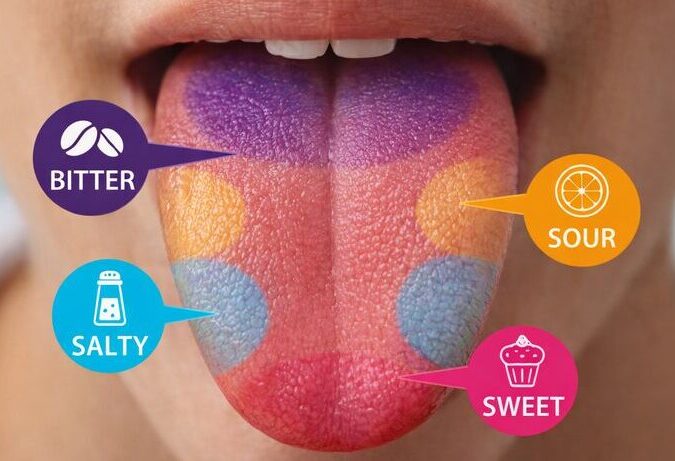
Let’s start with the hardware—the science of taste starts here. The average adult is often cited as having somewhere between 2,000 and 10,000 taste buds—and those numbers vary from person to person. Better yet: the cells inside your taste buds don’t last forever. Your body replaces taste receptor cells (roughly on a ~10-day rhythm), which helps explain why the system stays “trainable.”
But the bigger plot twist is this: taste receptors aren’t identical across people. Genetic differences help explain why one person experiences bitterness as “pleasantly complex,” while another experiences it as “why is my salad yelling at me.” Variation in bitter taste receptors (including the well-studied TAS2R38 pathway) is a classic example, and researchers have shown that “supertasting” isn’t controlled by a single gene alone.
A practical shorthand still works: roughly a quarter of people fall into a “supertaster” category in common classifications, with others landing in the middle or on the less-sensitive end. It’s not a badge of honor—it’s more like your intensity dial comes from the factory set a little higher (or lower) than your neighbor’s.
The Passage of Time: Aging and Taste
Genetics sets the baseline, but time edits the script. Across many studies, older adults often show reduced sensitivity or higher detection thresholds for certain tastes—though the pattern isn’t perfectly uniform, and smell changes can amplify the effect. Add in real-life variables (dry mouth, medications, health conditions), and it’s easy to see why someone might say, “Food just doesn’t taste like it used to.”
Translation: it’s rarely one culprit. Flavor is a team sport—and some teammates get less consistent with age.
The Adaptable Palate: Exposure and Sensory Acclimation
Here’s the encouraging part: in the science of taste, your palate doesn’t just decline or drift. It adapts.
In the short term, repeated exposure can reduce perceived intensity—sensory adaptation. That’s why the first sip of a bitter beverage can feel like a cymbal crash, and the third sip feels…normal. There’s even evidence of cross-adaptation within bitterness, where one bitter exposure can soften how another bitter hit registers right after.
Over the long term, exposure shapes preference. Early-life research suggests taste learning starts sooner than most people realize, and repeated, low-pressure encounters can increase acceptance of initially disliked flavors (yes, including bitter).
Environment matters, too. Smoking is linked with changes in smell and taste function, and medical reviews report improvements in smell and taste measures after smoking cessation—sometimes within days to a week.

The Psychological Playground of Flavor
Now for the mind games—because flavor isn’t only chemistry. It’s interpretation.
What we call “flavor” is built from multiple senses working together: taste plus smell (especially retronasal aroma while eating), along with texture, temperature, and “tingle” sensations. That’s why pinching your nose doesn’t stop taste entirely, but it can flatten the experience.
Then come the outside-the-food forces: expectations, labels, context, and prior beliefs. Research reviews show extrinsic cues—everything from packaging and price to what you think you’re about to eat—can bias perceived taste and enjoyment. Your brain doesn’t just receive flavor; it predicts it.
Color is another quiet puppeteer. A large body of work shows that hue and saturation can shift perceived sweetness, fruit character, and overall intensity.
And emotion? Absolutely invited to the party. Controlled studies have linked acute stress with reduced sweet taste perception, alongside other shifts in how intensely people rate basic tastes under stress.
Culinary Trends and Consumer Behavior
All of this matters because palates don’t only evolve individually—they evolve collectively. And the market responds.
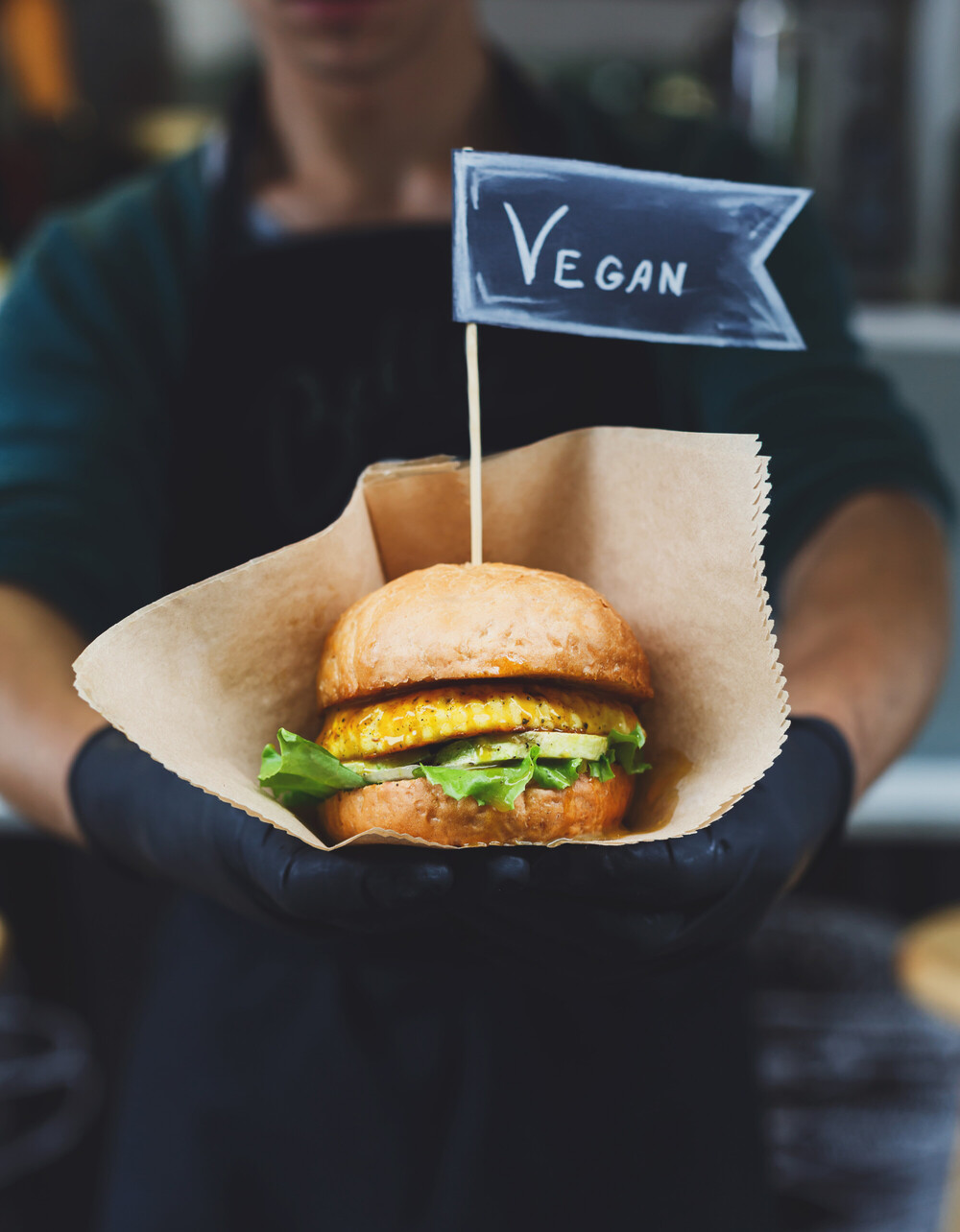
Plant-based is a clean example: U.S. retail plant-based food sales have been reported at about $8.1B for 2024, even as category performance shifts year to year. Meanwhile, only a small share of Americans self-identify as vegetarian or vegan—suggesting much of the action comes from flexitarian behavior, occasion-based swapping, and people simply wanting more options that still taste great.
"Consumers aren’t giving up craving—they’re upgrading the rules: more choice, more intention, and the same expectation of “I want this again tomorrow.”
Globalization widens the flavor vocabulary, too. Trend research continues to highlight consumer appetite for “wow” mash-ups and imaginative taste adventures—especially when they feel both familiar and surprising in the same bite.
Health and wellness signals add another constraint (and creative brief). Consumer survey work shows persistent interest in things like reducing sugar and increasing protein—pressures that push product development toward smarter flavor design, not less flavor.
Embracing the Evolving Palate
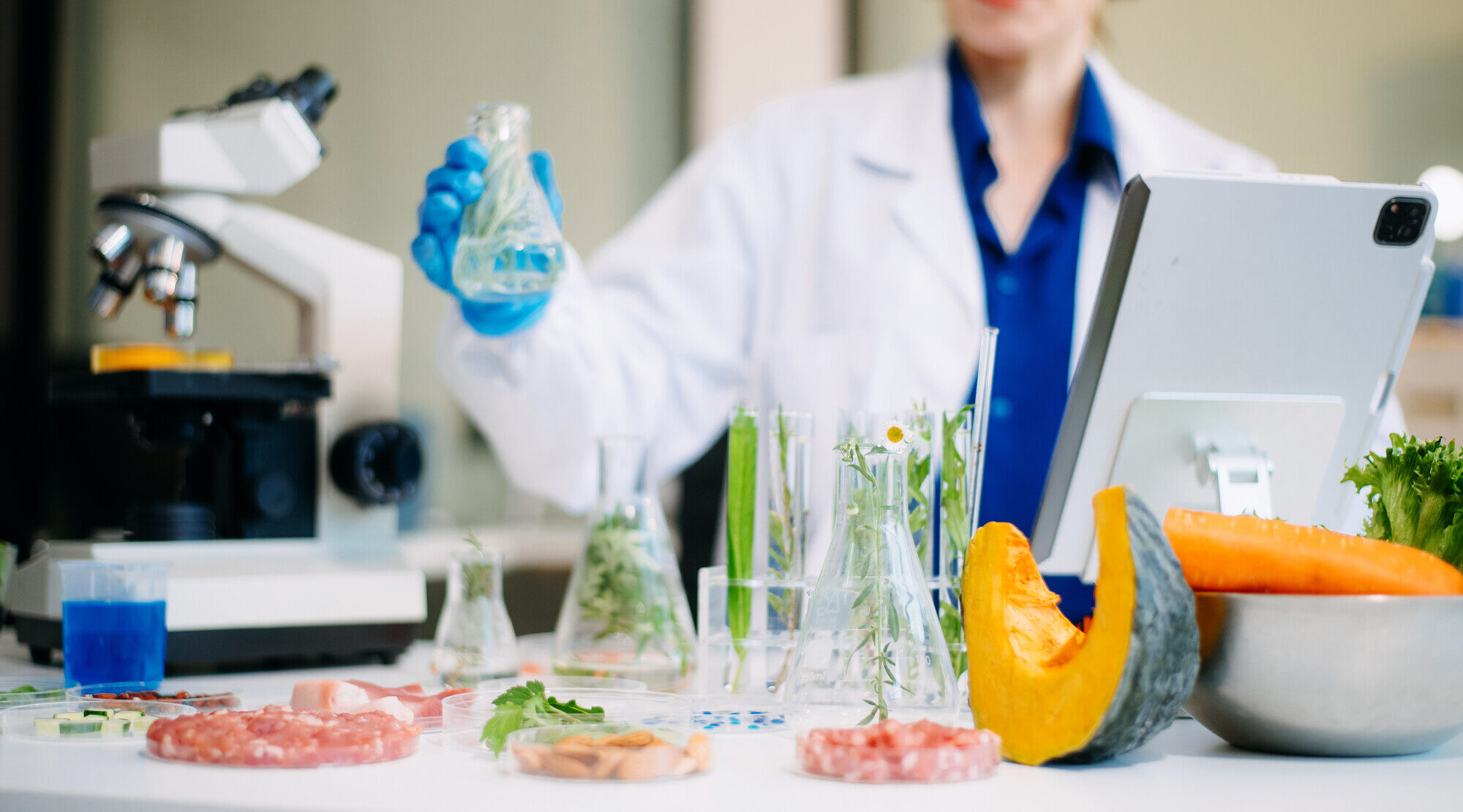
The takeaway is simple: palates are dynamic, not fixed. When you understand how genetics, physiology, exposure, psychology, and culture tug on perception, you can build flavors that don’t just perform in a benchtop demo—they win in real life, in real routines, for real people.
So here’s to the ever-changing palate: the ultimate moving target—and the reason flavor innovation will never run out of runway.
Insights & Trends
When “Naturally Sweet” Gets Complicated
August 11, 2026
The “Protein Problem”
July 29, 2026
Lemon-Lime Lost Its Monopoly
July 14, 2026

Coffee’s Next Frontier
June 22, 2026
Maximalism, Refined: Why Bigger Flavor Is Getting Smarter
June 12, 2026
Spice Without Pain
May 29, 2026
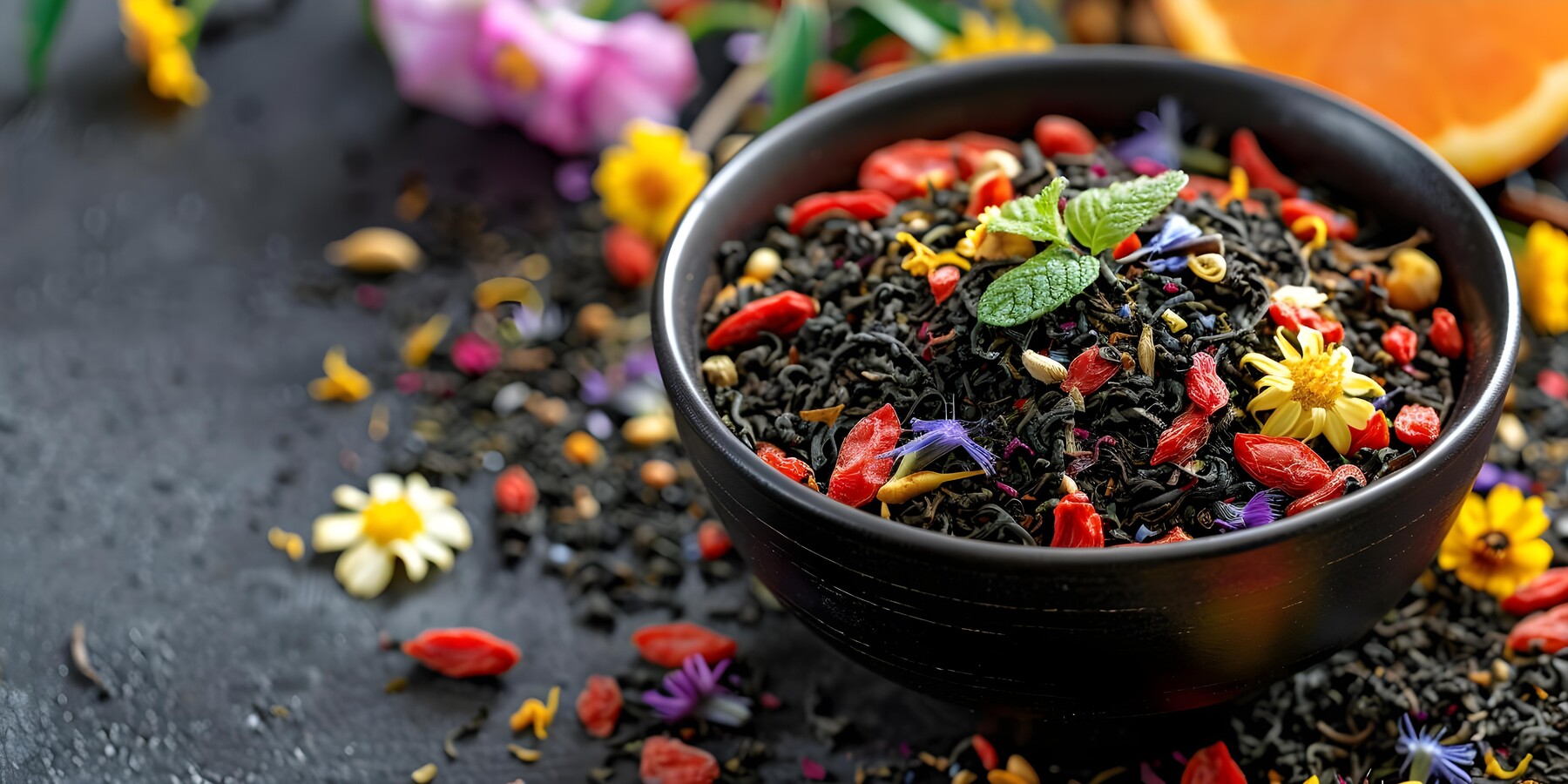
Botanicals Take the Lead
May 14, 2026
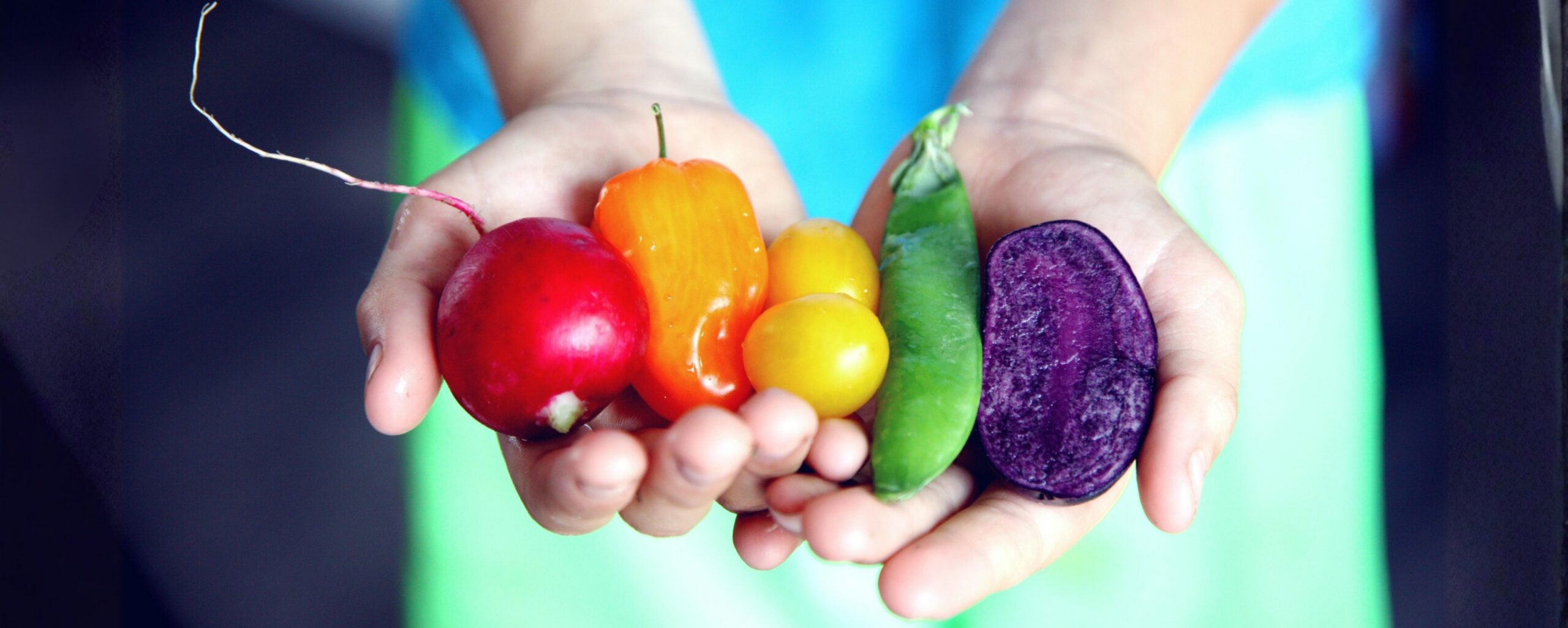
Color Talks Before Flavor Does
April 28, 2026
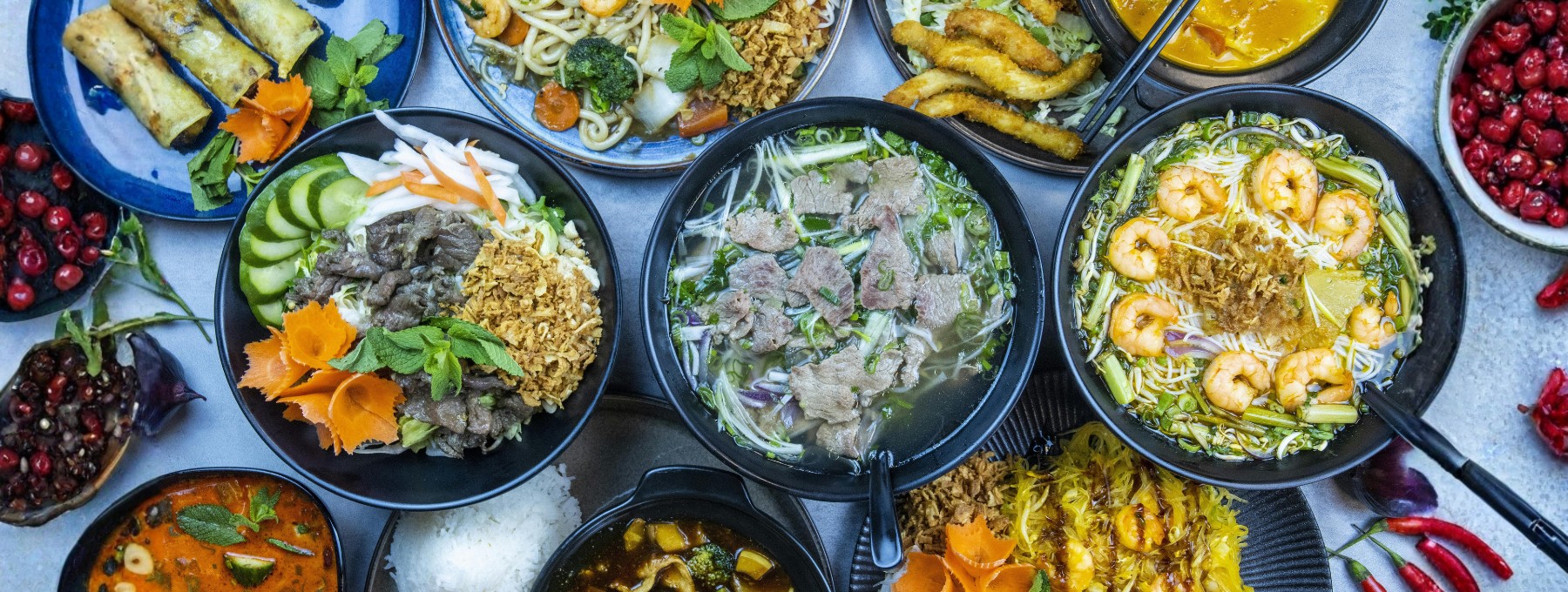
From “Asian-Inspired” to Region-True
April 13, 2026

Strawberry’s Not Moody—Your Formula Is
March 31, 2026

Dessert Déjà Vu, Upgraded
March 12, 2026
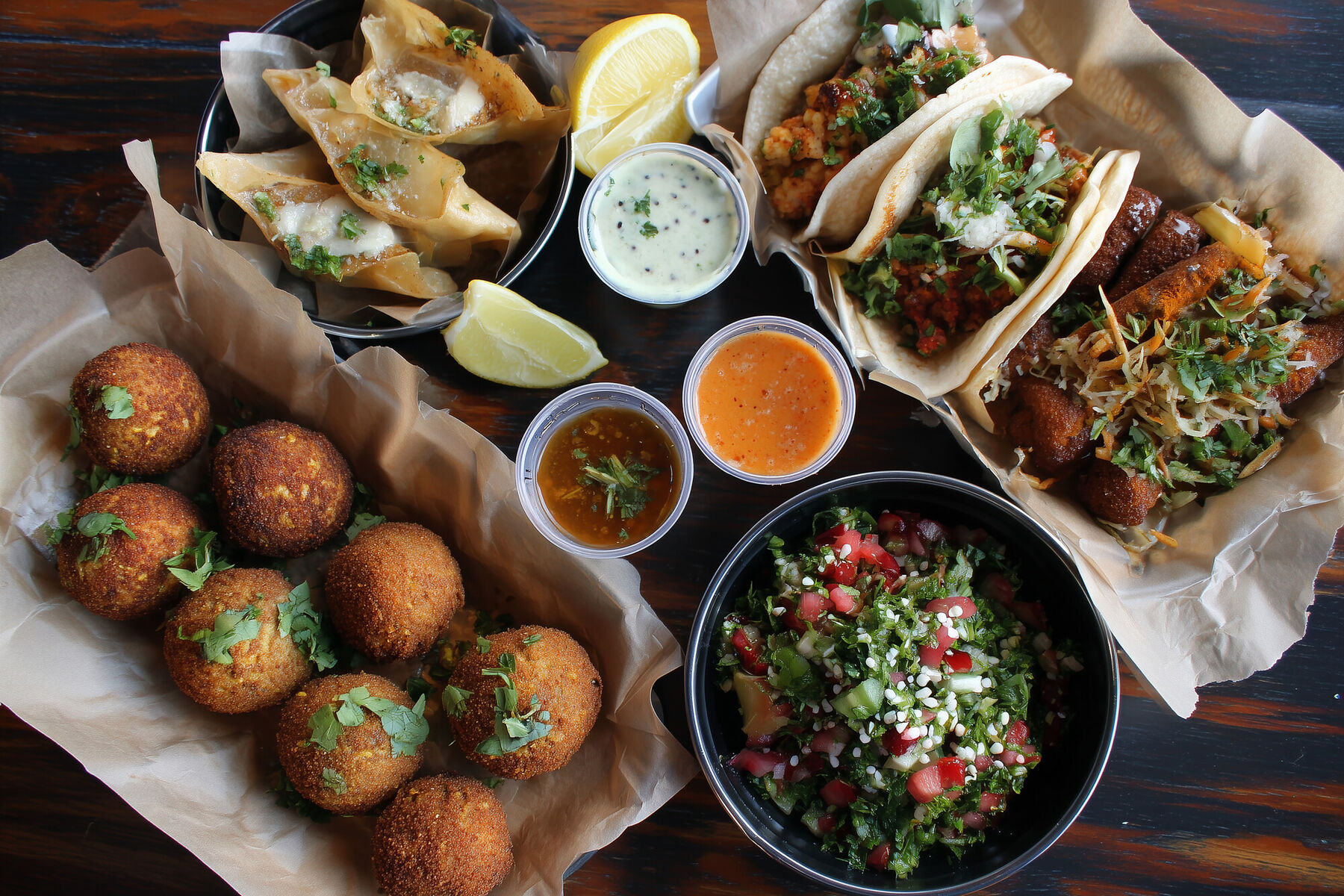
Cravings, Rewired: The Science of Shifting Taste
February 26, 2026
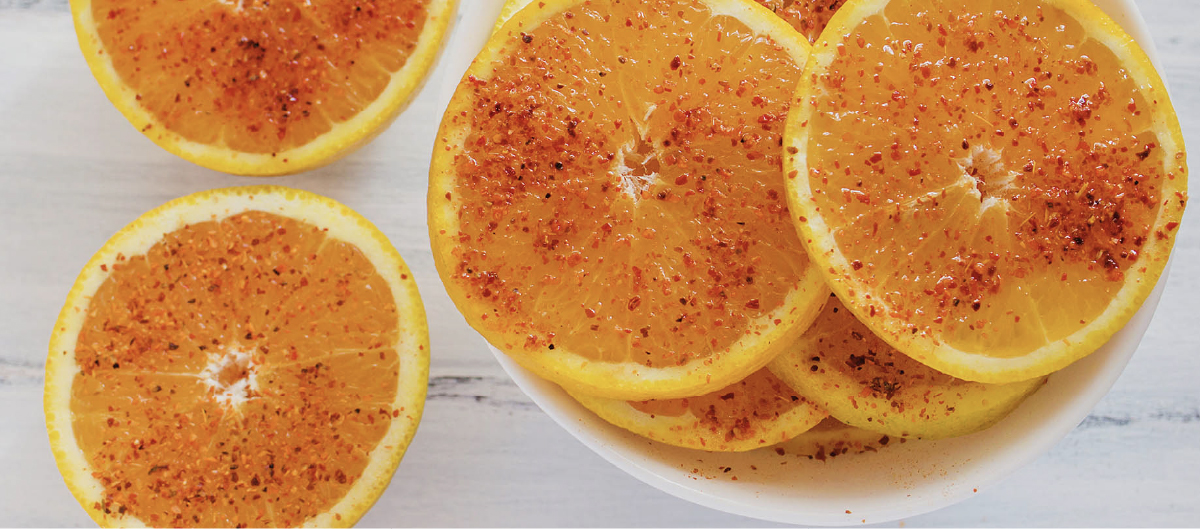
Swicy, but Make It Fruit
February 12, 2026

Nostalgia Flavors
January 28, 2026
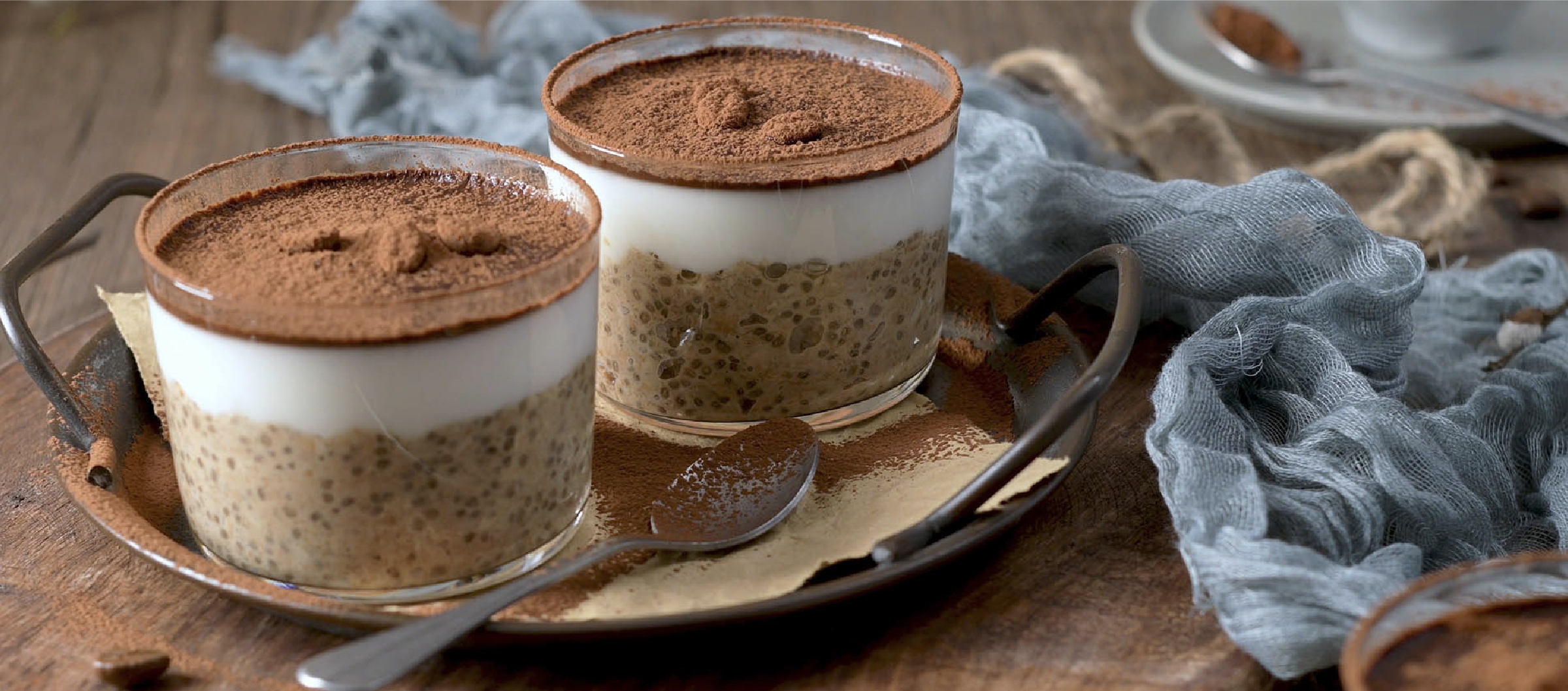
Stack Attack
January 13, 2026
The Aftertaste Ambush
January 1, 2026
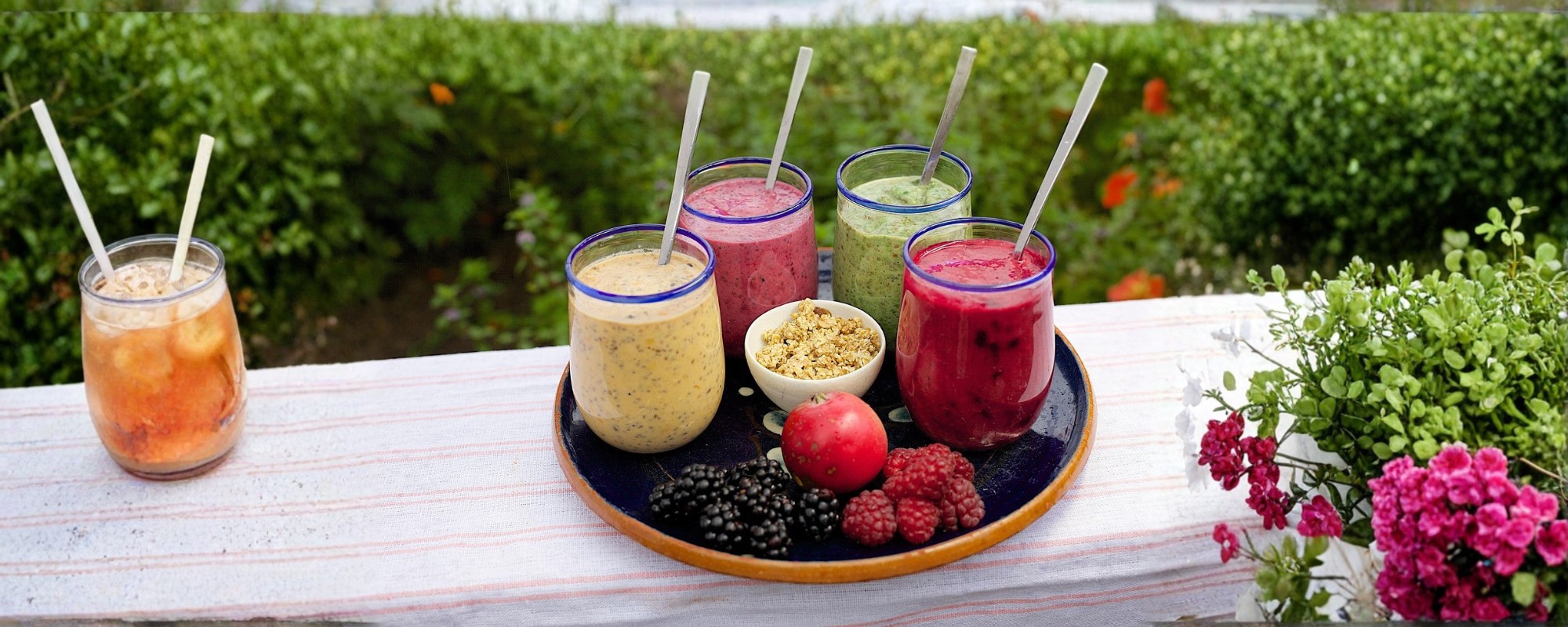
Function in Disguise
December 12, 2025

When Texture Talks Louder Than Taste
November 28, 2025
Spice. Sprinkle. Savor.
November 12, 2025
When Less Is More
October 29, 2025
View All Blog Posts