

April 13, 2026
/
Rebuilding Global Flavor Libraries
Consumers still want discovery. They just don’t want it served with a shrug. In 2026 and beyond, international flavor trends are region-true flavor: named places, recognizable ingredients, and flavor architecture that tastes like somebody actually meant it.
Why Now
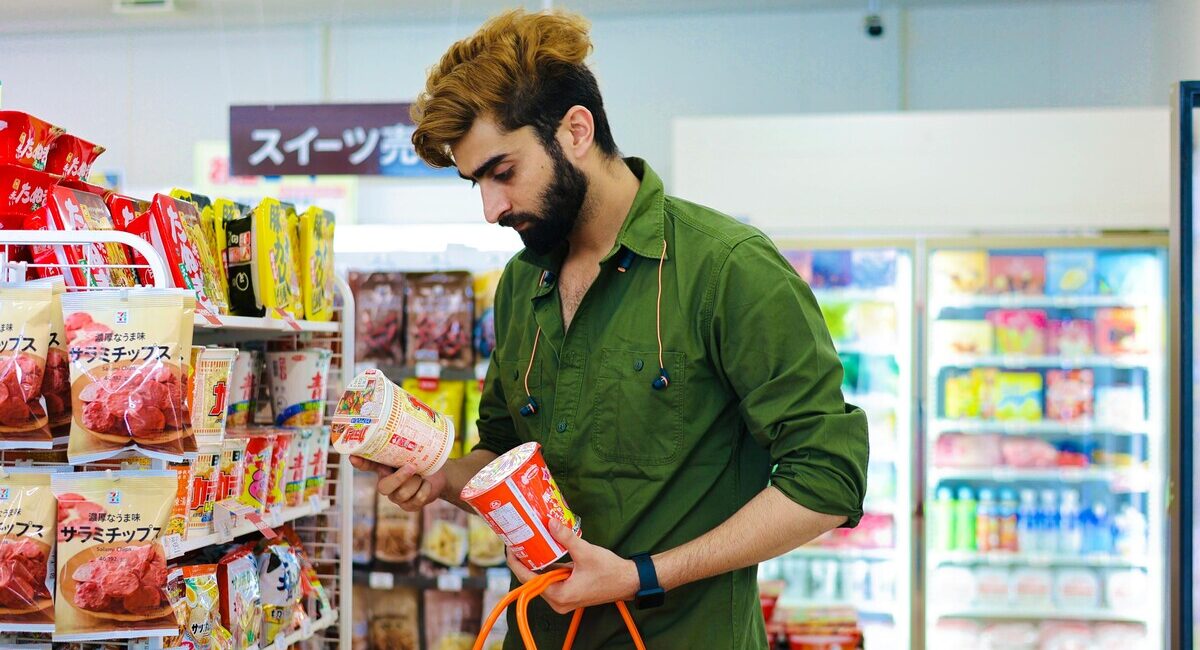
Picture two products on a shelf. One says “Asian-inspired.” The other says “ponzu yuzu,” “tonkotsu garlic,” or “pandan coconut.” Which one feels more current? Which one feels like it might actually taste like something specific? That’s the shift in international flavor trends. Nearly half of U.S. consumers have eaten a globally influenced dish in the past week, 55% often choose global foods over other dining options, and 76% say detailed descriptions matter when they’re trying something unfamiliar. Consumers aren’t backing away from exploration. They’re graduating from vague labels to actual map pins.
The Trend, Defined
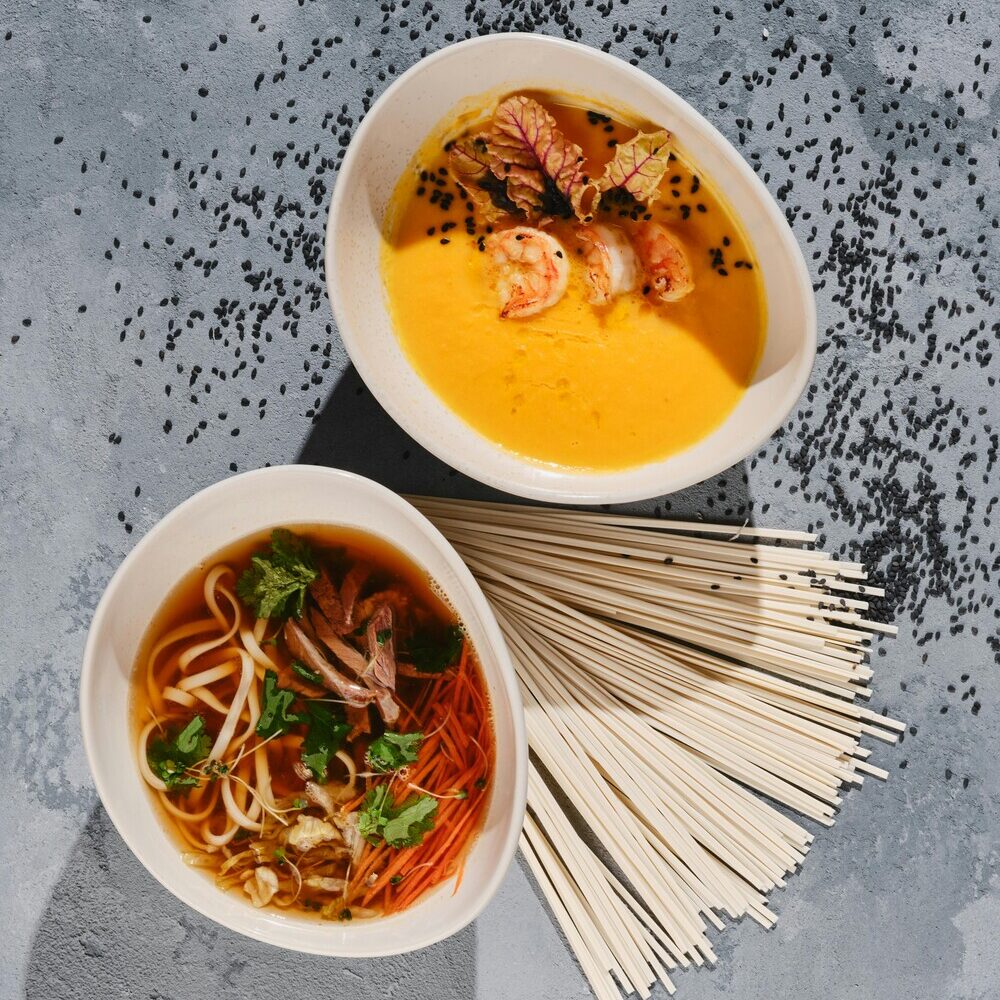
In international flavor trends, Authentic Regional Globalization is the move from broad cultural shorthand to named regional cues with coherent sensory logic. Not “Latin.” Horchata, churro, salsa macha, piloncillo. Not “Asian.” Ponzu, tonkotsu, pandan, sudachi, som tum, char siu. The point is not to sound more exotic. It’s to taste more precise.
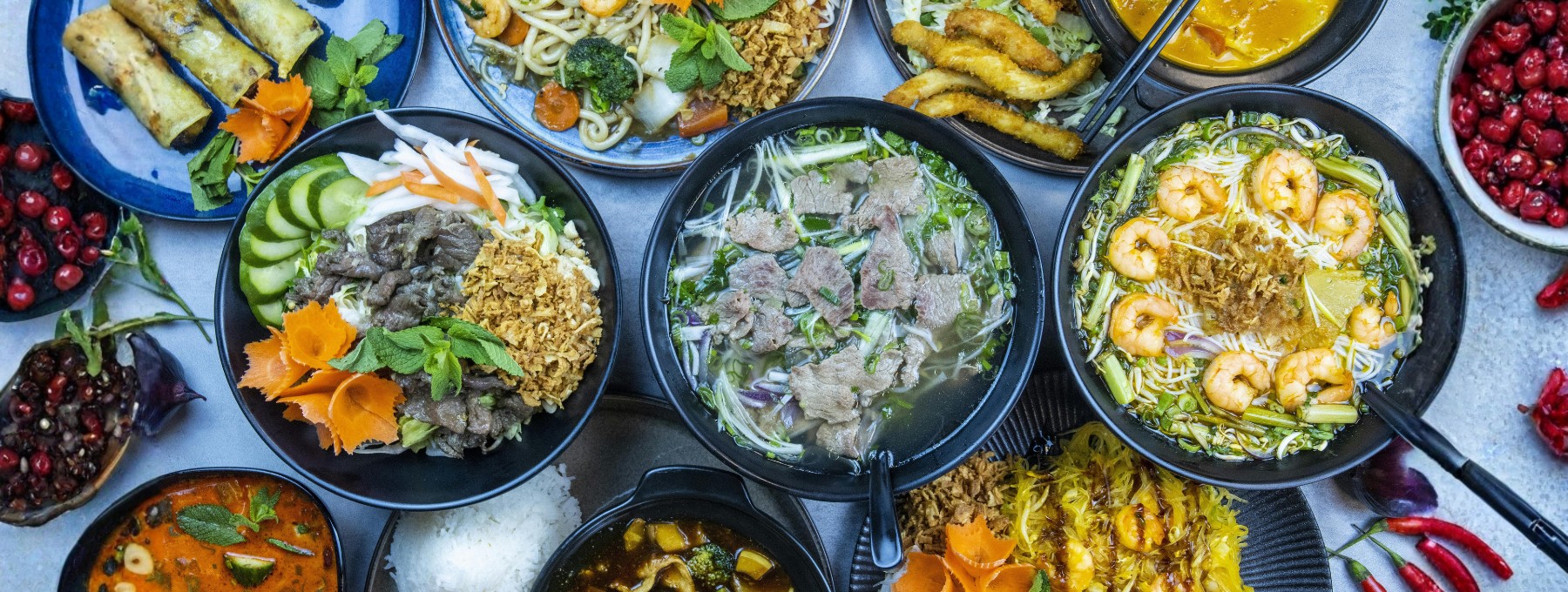
What this trend is not: sprinkling one buzzy ingredient onto a familiar base and calling it authenticity. Consumers are getting more specific, and menus are following. In Asian cuisine alone, operators are leaning into distinct cuisines rather than one big catchall bucket: Thai appears with 53% of operators, Japanese with 48%, Korean with 44%, Vietnamese with 23%, and Filipino is the fastest-growing segment. The next step is even narrower: Sichuan instead of generic Chinese, Northern Thai instead of generic Thai, Hokkaido instead of generic Japanese. In parallel, foods long interpreted for U.S. audiences in broad strokes are being reworked to capture regional differences.
What’s Driving It
Access Stopped Being Niche
Eighty-eight percent of consumers live near a globally influenced restaurant, and 78% have access to a global grocer or ethnic market. Exploration now has infrastructure.
Specificity Lowers The Fear Factor
Detailed descriptions build confidence, and familiar formats with a twist can encourage further exploration of the cuisine behind them. In plain English: people will try the new thing if you don’t make them guess what it tastes like.
Retail Is Now A Flavor Launchpad
Sixty-nine percent of consumers say they discover new food and beverage trends through packaged retail products, and 63% cite prepared foods at grocery and convenience stores, ahead of restaurants. That makes beverages, snacks, sauces, and frozen treats ideal entry points for international flavor trends built on region-true cues.
Flavor & Format Playbook
Beverage — Sudachi Green Tea Spritz
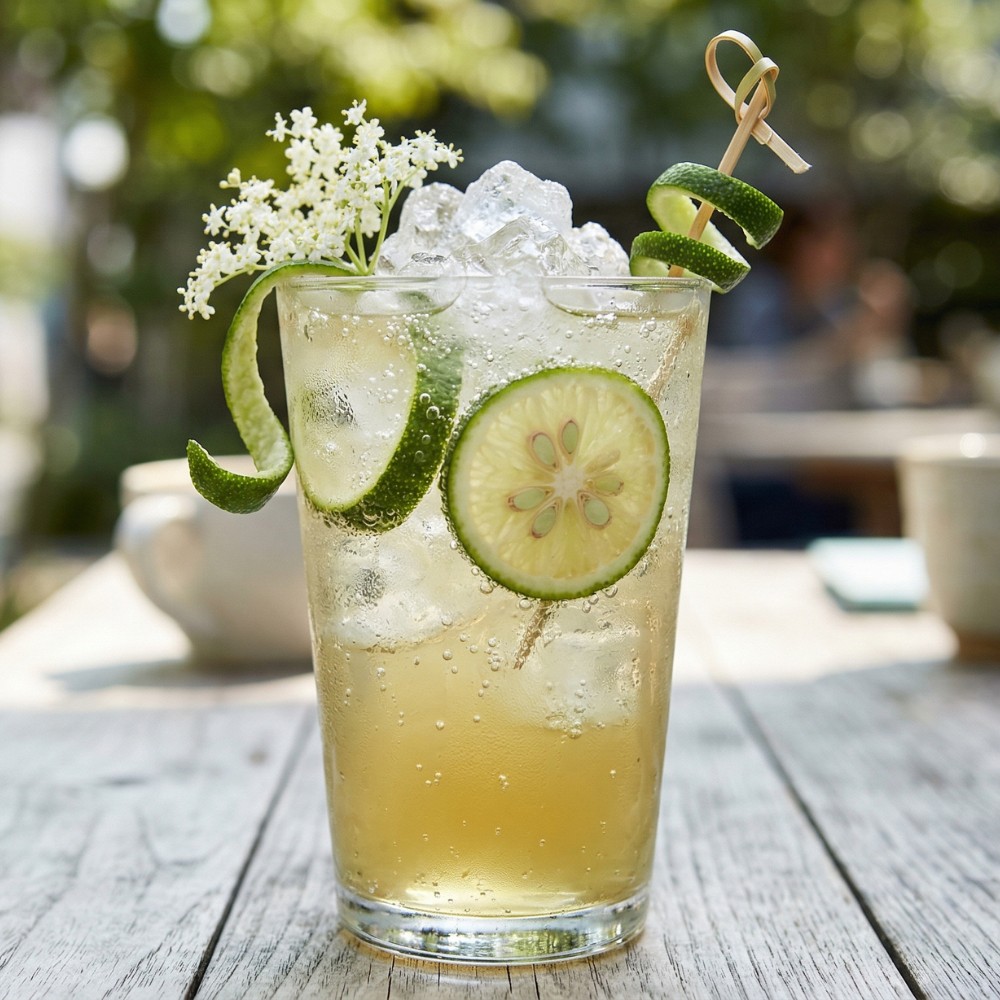
Descriptor: Japanese sudachi citrus.
Build a bright, tart citrus profile with peel, floral lift, and a tea backbone. It fits because named Japanese cues feel premium without being intimidating. Top notes are the first aromas to pop; they’re also the easiest to lose in processing, so protect citrus lift through heat and hold.
Beverage — Pandan Coconut Cooler
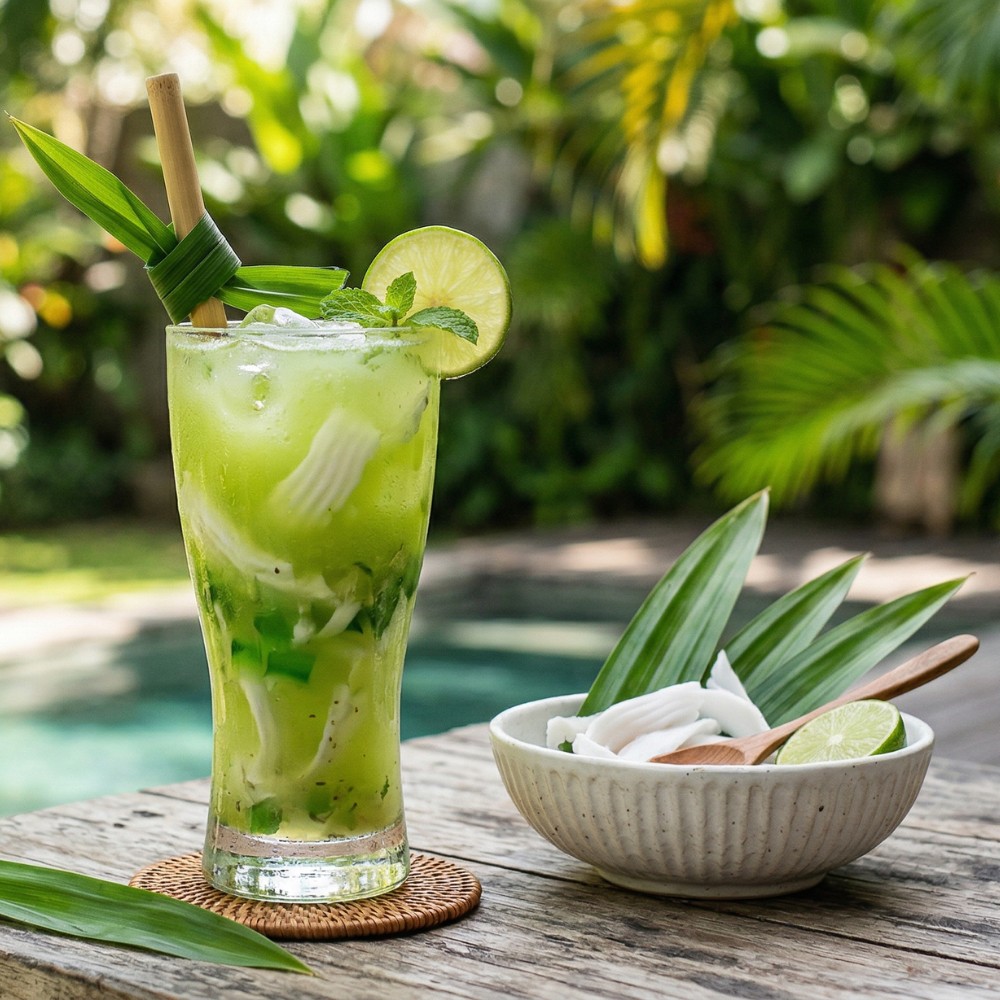
Descriptor: Pandan coconut.
Think creamy coconut, vanilla-like leafiness, and a lightly toasted rice effect. It delivers Southeast Asian specificity in a format consumers already understand. Watch matrix effects: fat and protein can change aroma release, so the finished system may smell flatter than the benchtop sample.
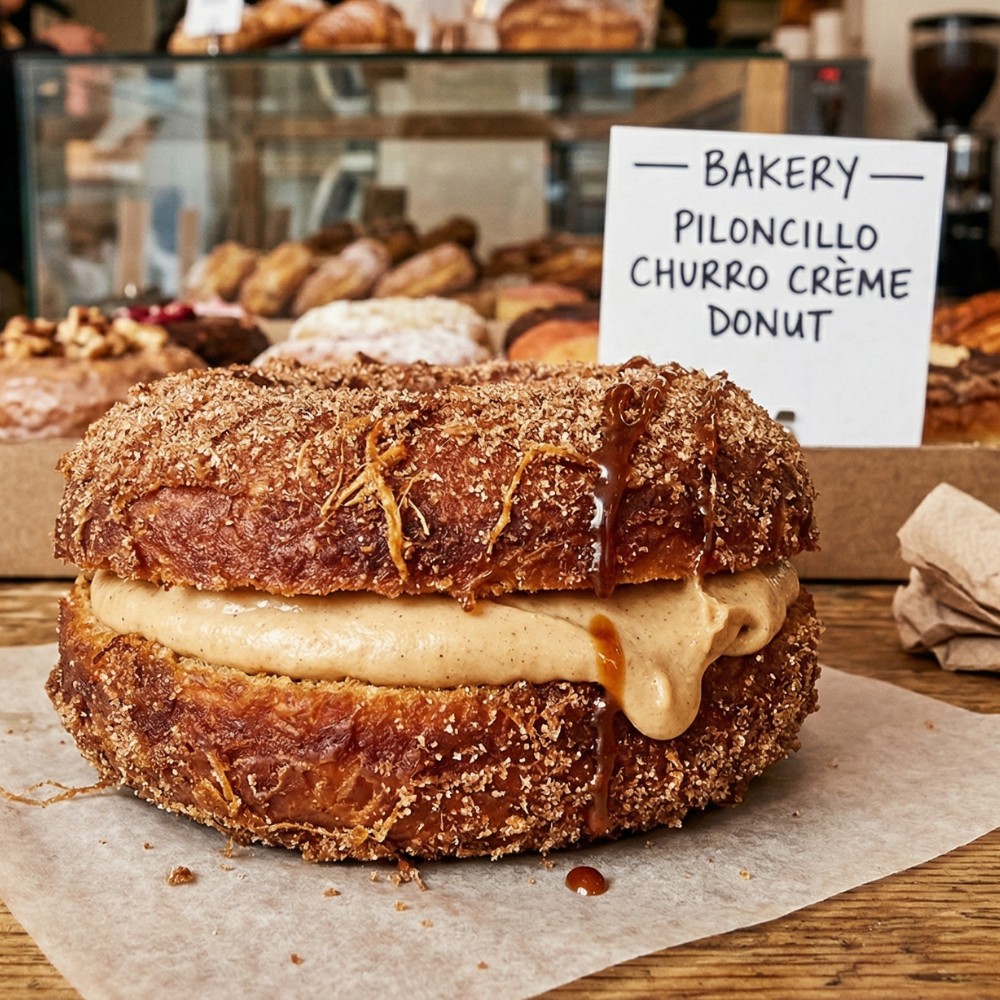
Bakery — Piloncillo Churro Crème Donut
Descriptor: Mexican-style cinnamon sugar.
Cinnamon sugar, caramelized cane sweetness, and a warm fried-dough impression. This works because familiar bakery formats are proven gateways for global flavor trial, while piloncillo adds a more region-anchored sweet note than generic brown sugar. Keep sweetness and cinnamon in balance so it reads indulgent, not candle aisle.
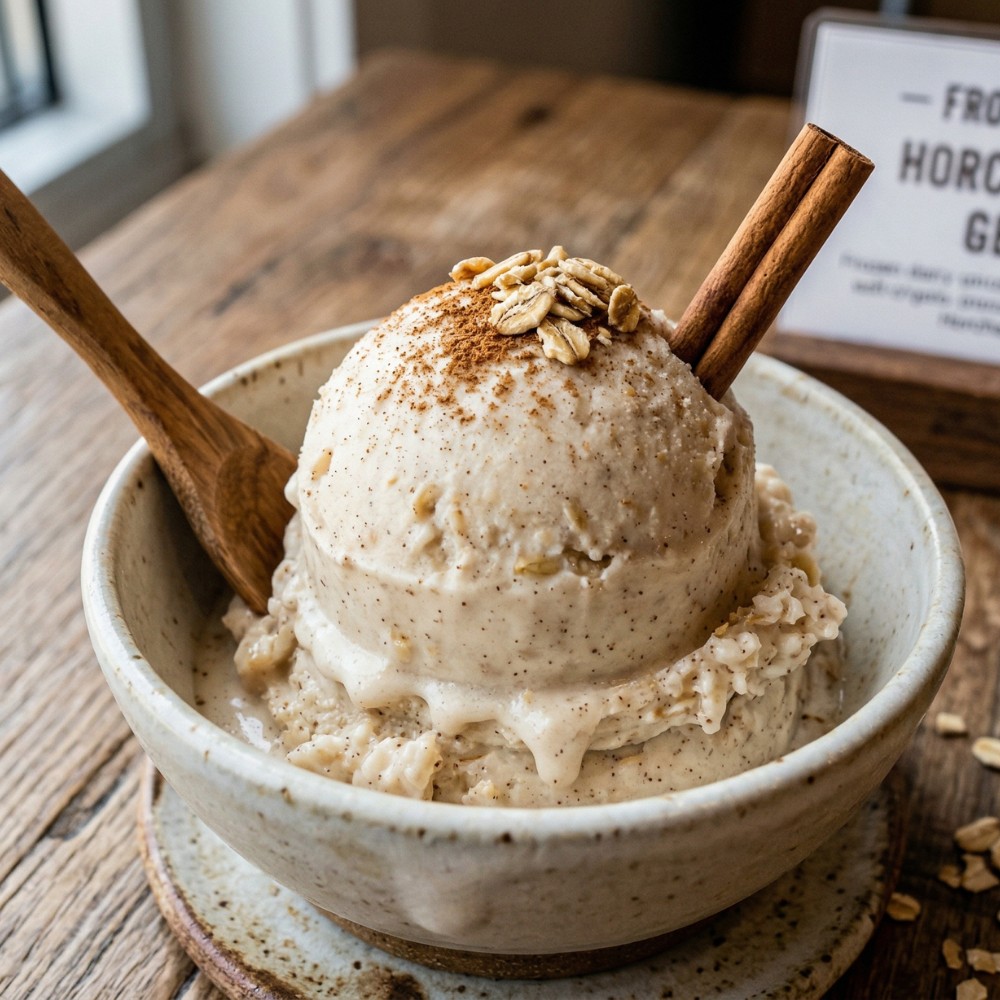
Frozen Dairy — Horchata Oat Gelato
Descriptor: Horchata spice.
Layer creamy rice, vanilla, cinnamon, and soft toasted grain. It’s low-risk, highly legible, and region-specific without needing a long explanation. Cold systems can sharpen spice perception, so cinnamon usually needs restraint and roundness from the base.
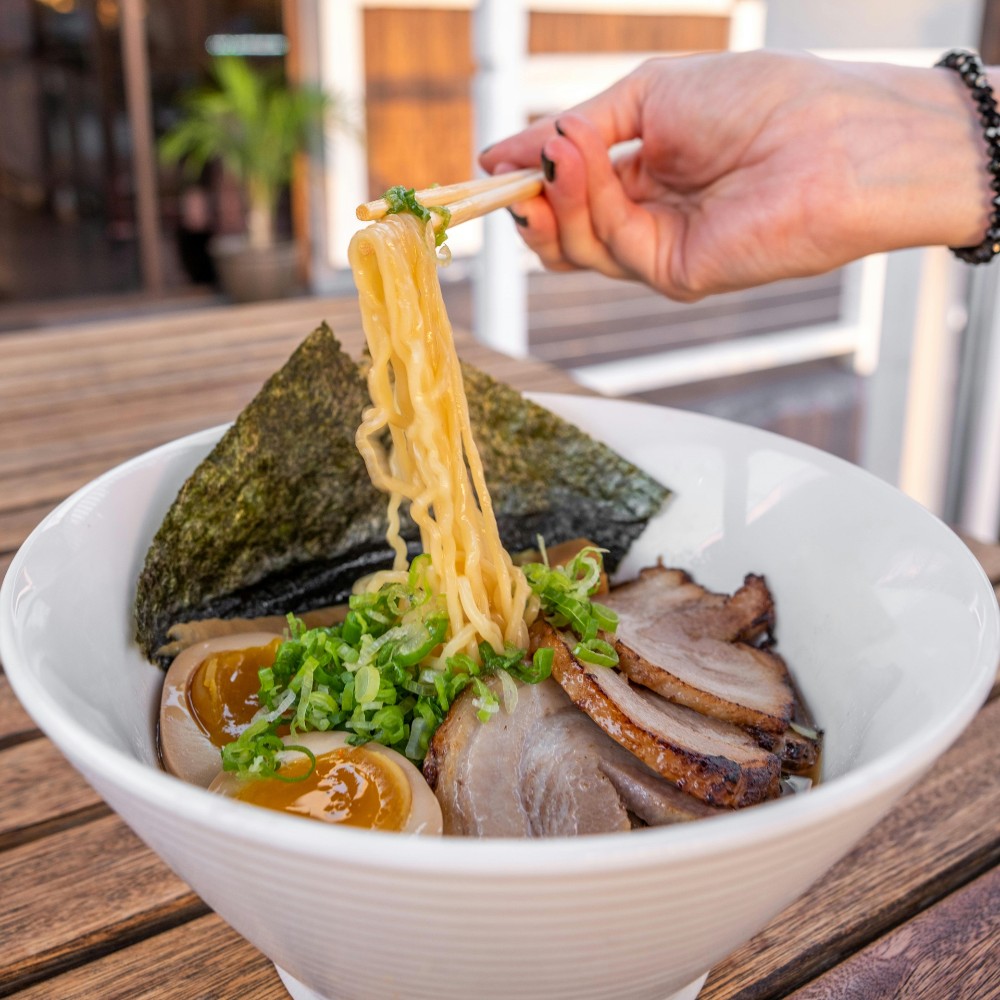
Savory — Tonkotsu Garlic Noodle Cup
Descriptor: Rich ramen broth.
Aim for long-simmer savoriness, roasted allium, white pepper, and fatty broth character. It’s a stronger answer than generic “umami ramen,” and named dishes are outperforming loose descriptors on menus. Build depth in layers; one blunt savory note won’t fake broth architecture.
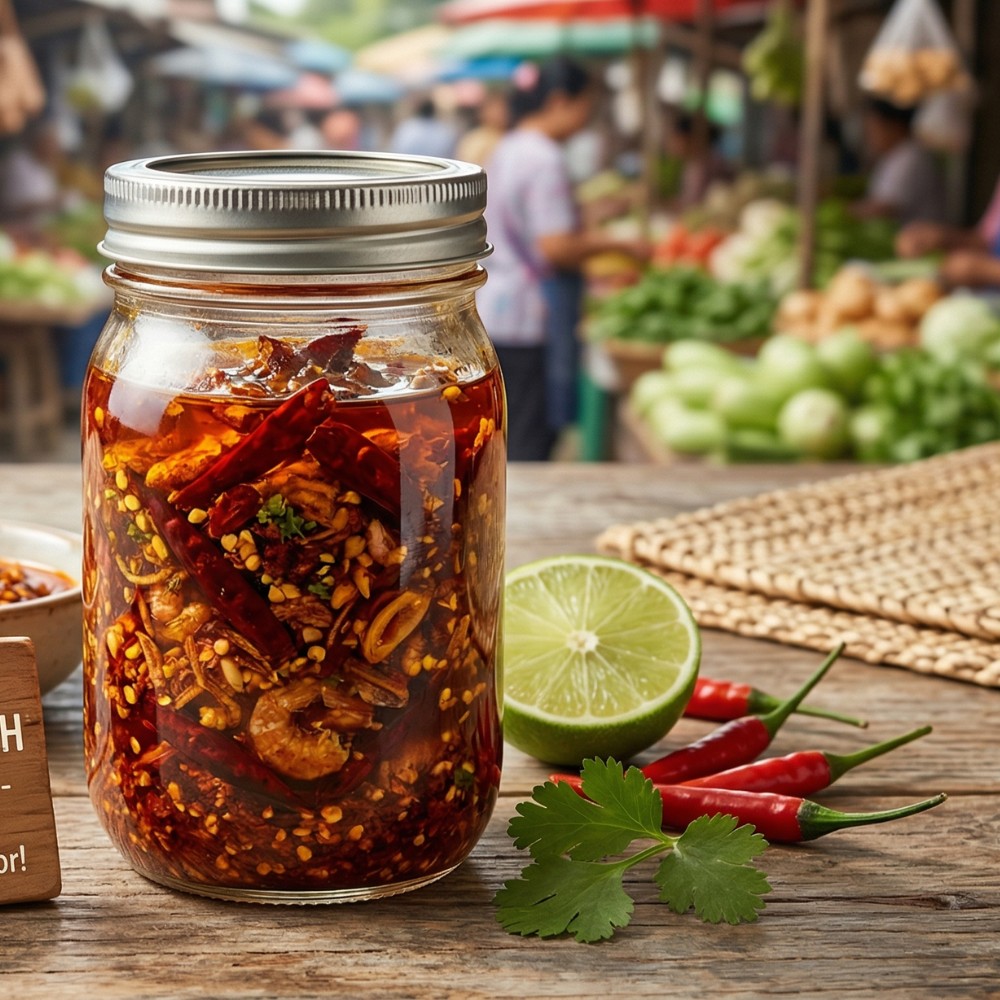
Sauce/Snack — Som Tum Chile-Lime Crunch
Descriptor: Thai chile-lime crunch.
Sweet, spicy, sour, and salty is the whole point here. That balance makes som tum a smart bridge flavor for snacks, dressings, or crunchy toppers because it translates a real dish into an approachable format. Acid, heat, and aromatics need to stay in conversation; if one gets loud, the profile loses its passport stamp fast.
What Could Go Wrong (Risk & Reality Check)
First, comprehension: a specific regional name without a taste translation can stall trial. Second, execution: 49% of operators cite staff training as the top barrier to doing global flavors well, which is another way of saying authenticity gets expensive when nobody can explain or reproduce it. Third, technical drift: food matrices can change odor volatility, retention, and release, so the prototype that sang in the lab can mumble in the finished product. And fourth, false specificity: consumers will forgive unfamiliarity faster than they’ll forgive a profile that feels careless.
Bottom Line
The next wave of international flavor trends isn’t broader. It’s sharper. Consumers want the real cue, the real flavor logic, and a format that invites trial without sanding off identity. For R&D teams, that means fewer vague passports and more precise coordinates. Or, said less politely: “global-inspired” had a nice run. The map pin won.
Insights & Trends
When “Naturally Sweet” Gets Complicated
August 11, 2026

The “Protein Problem”
July 29, 2026
Lemon-Lime Lost Its Monopoly
July 14, 2026

Coffee’s Next Frontier
June 22, 2026
Maximalism, Refined: Why Bigger Flavor Is Getting Smarter
June 12, 2026
Spice Without Pain
May 29, 2026
Botanicals Take the Lead
May 14, 2026
Color Talks Before Flavor Does
April 28, 2026
From “Asian-Inspired” to Region-True
April 13, 2026

Strawberry’s Not Moody—Your Formula Is
March 31, 2026

Dessert Déjà Vu, Upgraded
March 12, 2026
Cravings, Rewired: The Science of Shifting Taste
February 26, 2026
Swicy, but Make It Fruit
February 12, 2026

Nostalgia Flavors
January 28, 2026
Stack Attack
January 13, 2026

The Aftertaste Ambush
January 1, 2026
Function in Disguise
December 12, 2025

When Texture Talks Louder Than Taste
November 28, 2025
Spice. Sprinkle. Savor.
November 12, 2025
When Less Is More
October 29, 2025
View All Blog Posts