

May 29, 2026
/
Spicy Flavor Trends and the New Science of Heat That Doesn’t Burn
Spicy used to mean one thing: how much damage can we fit into a chip?
Cute for dare videos. Less cute in an RTD tea, a protein puff, or a mango yogurt that starts charming and ends like a small kitchen fire. The next job for spicy isn’t “hotter.” It’s smarter. Warmth without wreckage. Tingle without tongue fatigue. A heat curve that knows when to leave the party.
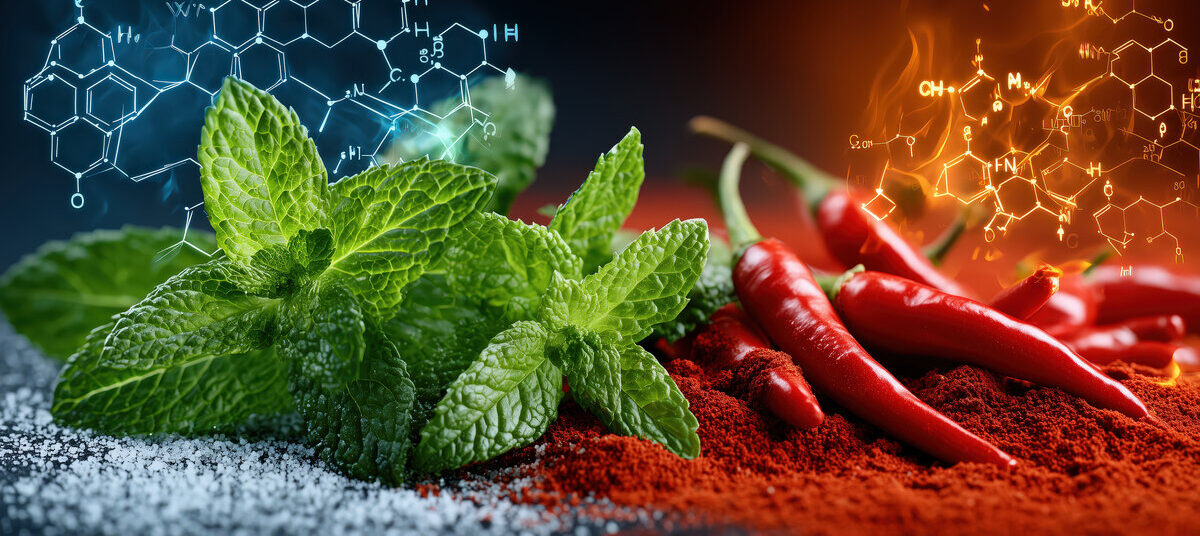
That matters because heat is not a flavor in the tidy vanilla-strawberry-lemon sense. It’s chemesthesis: chemical stimulation of the trigeminal system. In plain R&D English, it’s what makes chili feel hot, mint feel cold, Sichuan pepper feel electric, and carbonation feel prickly. The win isn’t just picking the pepper. It’s engineering the sensation over time.
Heat and burn are not the same brief
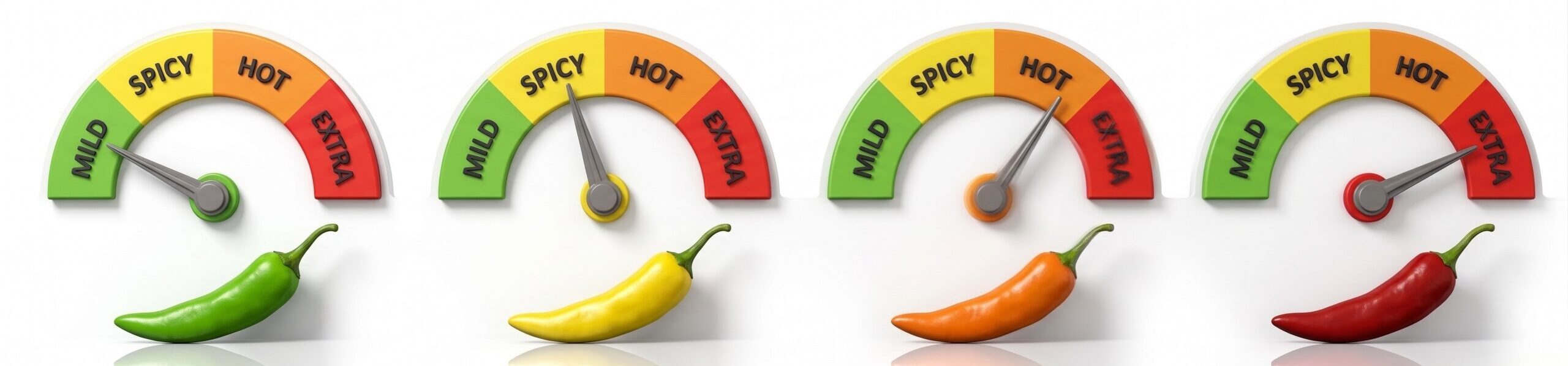
“Spicy” is a sloppy word. One consumer means jalapeño warmth. Another means habanero glow. Another means “I want the menu item but not the forehead sweat.” That’s why Scoville alone is a terrible product development target.
Scoville Heat Units can tell you something about capsaicinoid concentration. They can’t tell you whether the heat hits in two seconds or twenty, whether it blooms at the back of the throat, whether it lingers after swallow, or whether dairy fat will flatten the burn into a slow smolder. Recent review work also notes that capsaicin quantity and perceived sensory impact don’t always line up neatly.
For formulation, the better question is: what shape should the heat have?
A mainstream sparkling mango-chile drink may need quick warmth, low peak, clean decay. A savory snack can tolerate a higher peak if salt, fat, and crunch keep the burn busy. A “functional heat” shot might want a ginger-style chest warmth, but not a capsaicin throat grab. Same word on the front panel. Different sensory math.
The receptor story, without the lab-coat fog
Capsaicin, the famous chili burn compound, activates TRPV1, a receptor involved in heat and pain signaling. Piperine from black pepper also works through TRPV1, but its pungency profile is different from capsaicin. Menthol hits TRPM8, which is why mint reads cold instead of hot. Sanshool-type compounds from Sichuan pepper and spilanthol from jambu/paracress bring tingling, numbing, and salivation rather than a straight burn.
That gives R&D a bigger palette than “add chili extract.”
Think layered chemesthetics: ginger warmth for a rounded lift, black pepper bite for fast sparkle, chili for recognizable heat, Sichuan-style tingle for movement, cooling compounds for contrast. Not all in one product, please. We’re making a beverage, not a haunted house.
The matrix is the heat dial
Capsaicin is hydrophobic, which means it behaves differently in water, fat, emulsions, starch systems, and protein-heavy bases. Matrix complexity can change maximum perceived pungency and the timing of that pungency. Time–intensity work on capsaicin has shown that carriers and food components affect how heat develops, peaks, and fades.
This is where “spice without pain” gets interesting.
Fat can soften and stretch heat. Protein can bind, buffer, or delay perception. Starch can reshape peak intensity. Carbonation can make irritation feel more immediate. Acids can sharpen the whole experience until a gentle chili note suddenly feels like it has elbows.
A chili-lime seltzer and a chili-lime yogurt should not use the same heat system. The seltzer has low viscosity, fast delivery, acid, and bubbles. The yogurt has fat/protein structure, lactic tang, and slower release. One magnifies the slap. The other may hide it until the finish.
Design for curves, not punishment
A good spicy flavor trends profile has architecture.
Start with onset. How fast does the consumer notice warmth? Then peak. How high does it climb? Then location. Tongue tip, cheeks, throat, chest? Then decay. Does it leave cleanly, or does it camp out after swallow like it pays rent?
For broad-appeal products, the trick is often lower peak plus longer, softer tail. That can feel more flavorful than a sharp spike because the heat supports the fruit, spice, roasted note, or savory base instead of bulldozing it.
Conceptually, that might look like:
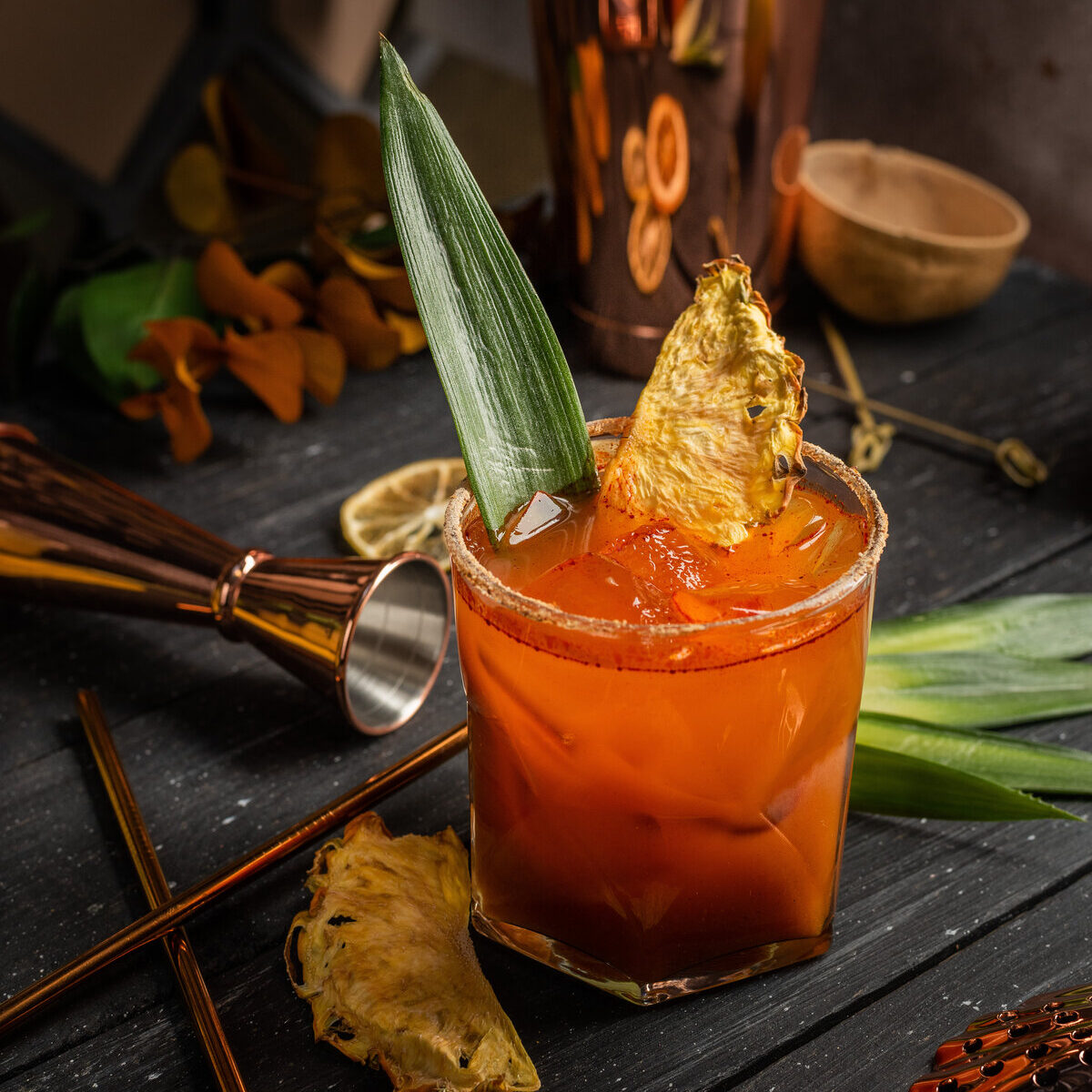
Pineapple Ginger Chile Sparkling Water
Pineapple top note, ginger warmth, tiny chili finish. Keep the chili peak low; let acid and carbonation provide lift.
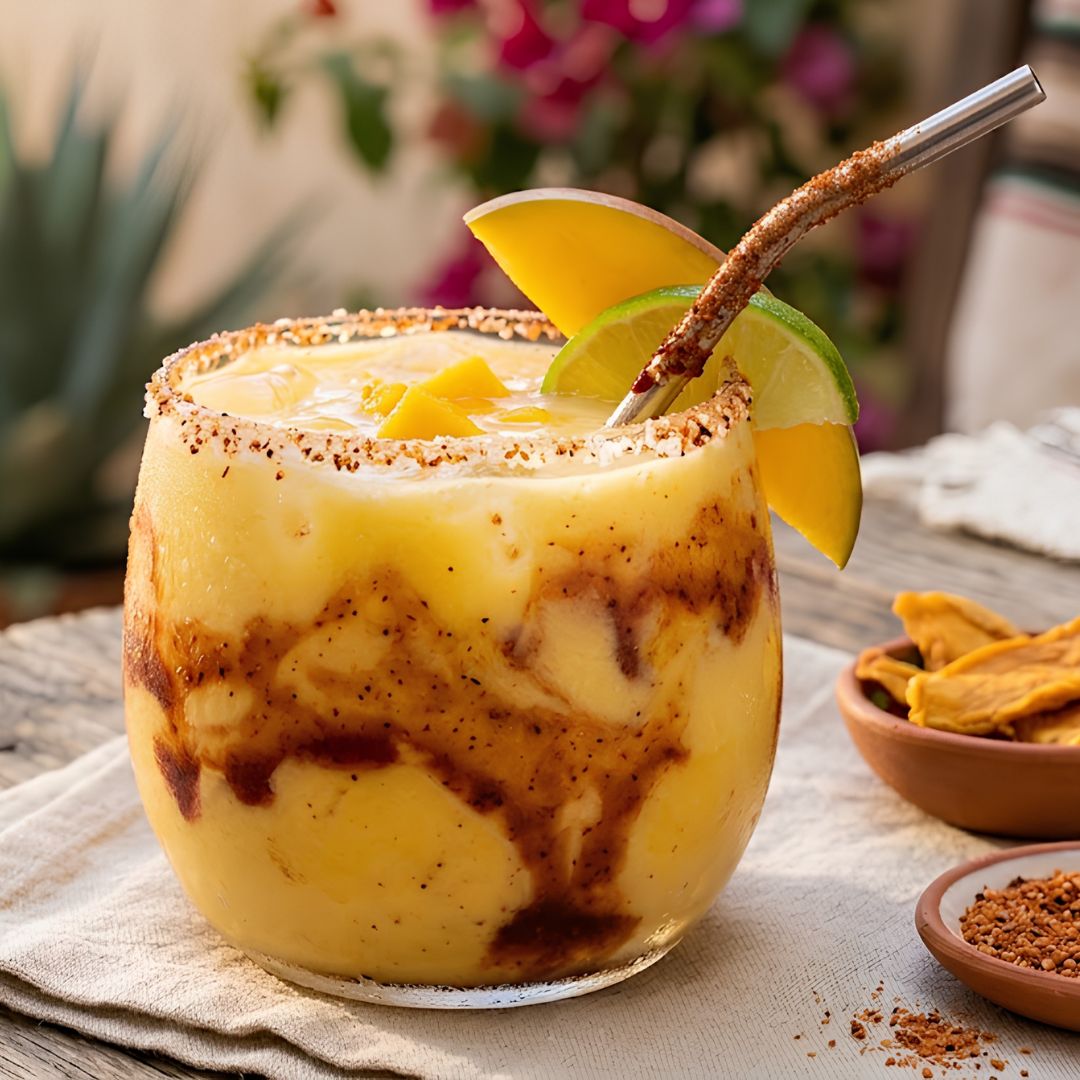
Mango Chamoy Yogurt Drink
Mango body, tamarind tang, salted-sour frame, restrained chili. Use the dairy matrix to round heat, not bury it.
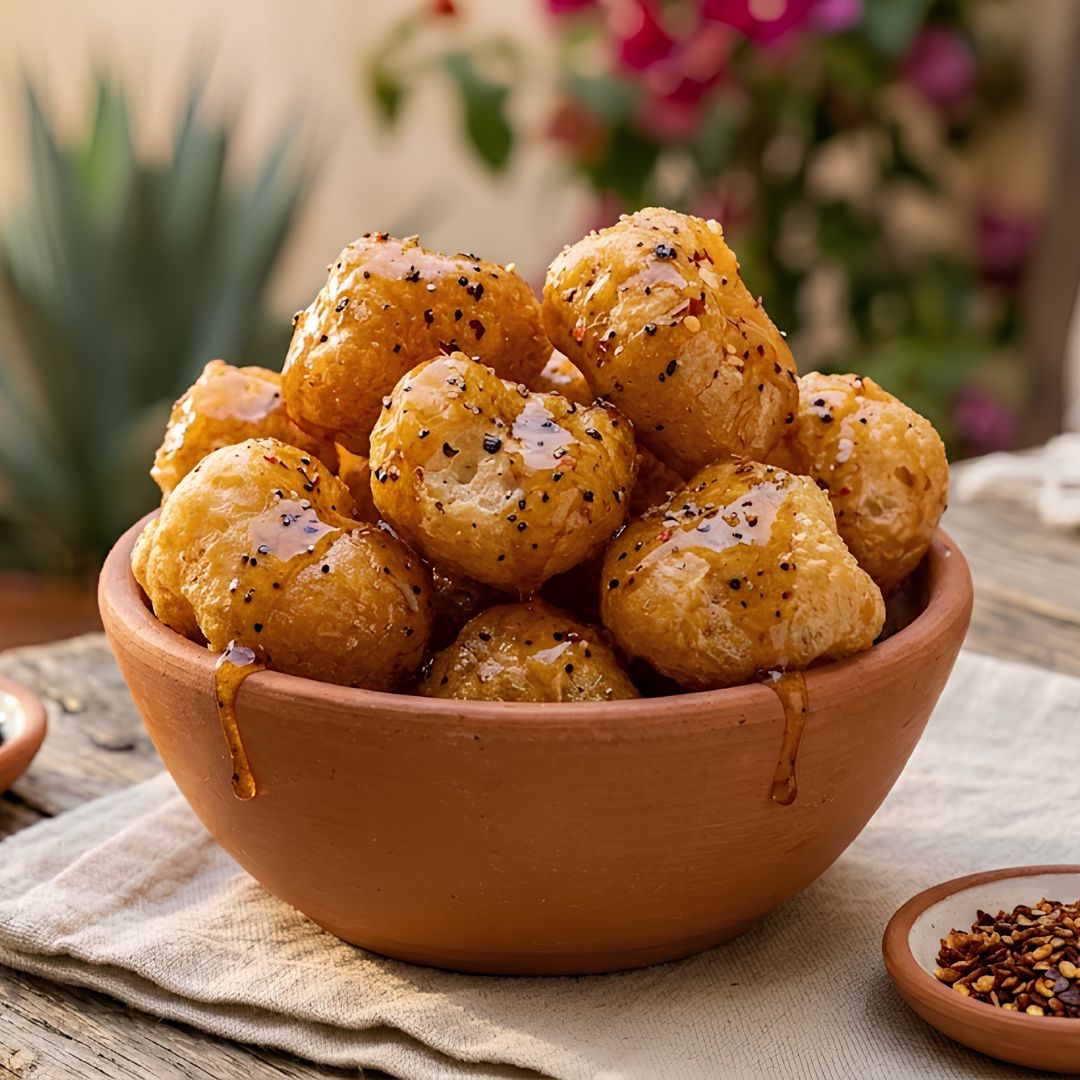
Black Pepper Hot Honey Protein Puff
Honey front, pepper bite, mild chili warmth. Watch protein off-notes and spice linger so the finish doesn’t turn dusty.
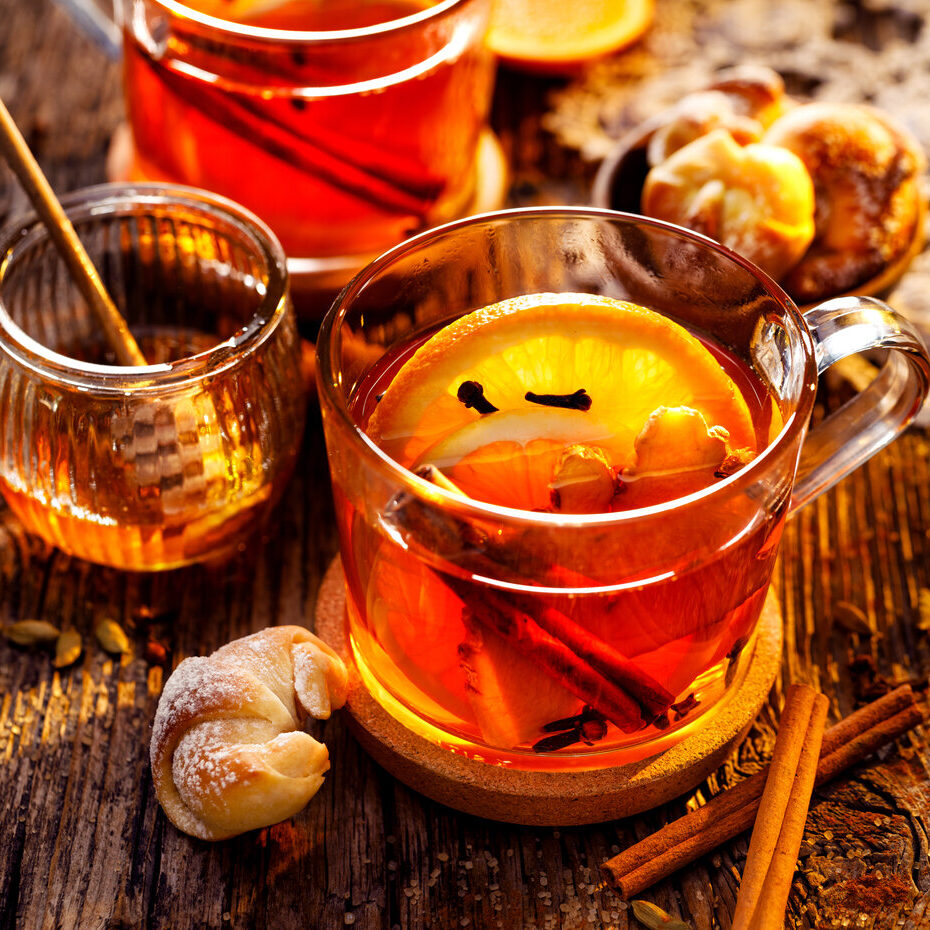
Sichuan Citrus Tea
Mandarin peel, tea tannin, controlled tingle. Keep astringency and tingle from stacking into mouthdrying chaos.
Controlled release is not just for actives
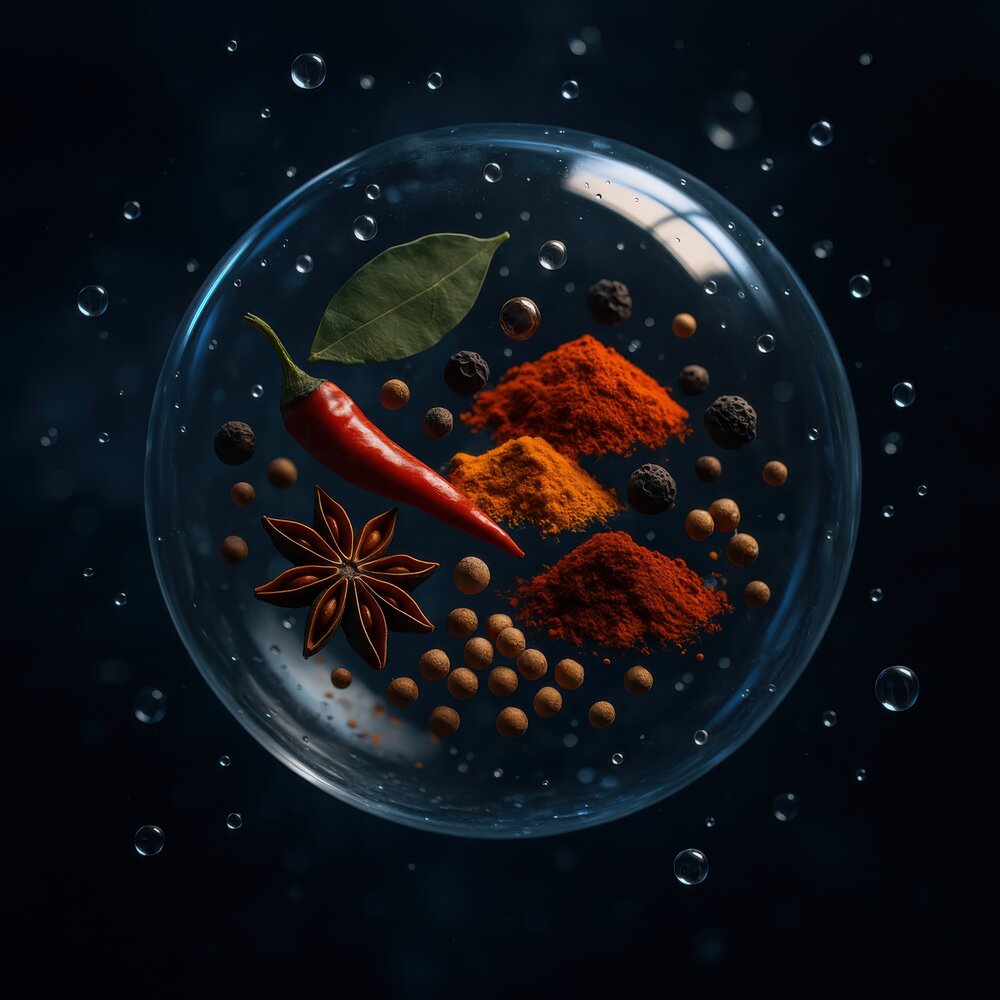
Encapsulation and emulsion design can also reshape capsaicin delivery. Research on water-in-oil high internal phase emulsions found that encapsulating capsaicin enabled controlled release and reduced irritation in model work, pointing toward a broader formulation idea: where the heat sits physically can matter as much as how much heat is present.
That doesn’t mean every snack needs a fancy delivery system. It does mean R&D should stop treating spice as a dry addition at the end of the process. Shear, heat, homogenization, oil phase, particle size, and distribution all affect how evenly the consumer experiences burn.
Nothing ruins “approachable heat” faster than one bite with no warmth followed by one bite that tastes like legal liability.
Measure the thing consumers actually feel
Static liking scores won’t diagnose heat. You need time
Use time–intensity testing for burn onset, peak intensity, time to peak, and decay. Add irritation and throat burn as separate attributes when relevant. For more complex systems, temporal methods can help show which sensation dominates over the eating window—fruit, sweetness, burn, cooling, bitterness, astringency, or metallic notes.
And test across the real matrix, not a water solution. A “perfect” heat level in bench dilution can become dull in a protein base or aggressive in acidified carbonation.
Guardrails: spicy should not be a dare in disguise
There’s a difference between enjoyable chemesthetic stimulation and irritation. Capsaicin can be a skin, eye, and respiratory irritant in concentrated handling contexts, and consumer tolerance varies widely.
Segment the target. Mainstream heat, enthusiast heat, and functional warmth are not the same product. Label honestly. Avoid using numbing or cooling to hide an overbuilt burn. And don’t let social-media heat challenges write your sensory spec. They’re good at views. They’re lousy at repeat purchase.
R&D takeaways
Define success by peak intensity and decay, not Scoville bragging rights.
Treat fat, protein, starch, acid, carbonation, and viscosity as heat-tuning tools.
Build segmented spicy targets: mainstream warmth, enthusiast burn, and functional heat each need their own curve.
Final bite
The future of spicy flavor trends isn’t less exciting. It’s more controlled.
Heat can glow, bloom, tingle, snap, hum, or fade clean. It can make mango taste juicier, chocolate taste darker, broth taste deeper, and citrus feel brighter. But only if it’s designed as a sensory timeline—not dumped in like a dare.
Because the best spicy product doesn’t make consumers ask for mercy. It makes them take another sip.
Insights & Trends
Beyond Pumpkin Spice: Building Occasion Flavors
October 14, 2026
Premium, Complex… or Medicinal?
September 28, 2026
The Scoville Scale Is Losing the Plot
September 14, 2026

Why the Second Sip Gives Your Sweetener Away
August 28, 2026
When “Naturally Sweet” Gets Complicated
August 11, 2026
The “Protein Problem”
July 29, 2026
Lemon-Lime Lost Its Monopoly
July 14, 2026

Coffee’s Next Frontier
June 22, 2026
Maximalism, Refined: Why Bigger Flavor Is Getting Smarter
June 12, 2026
Spice Without Pain
May 29, 2026
Botanicals Take the Lead
May 14, 2026
Color Talks Before Flavor Does
April 28, 2026
From “Asian-Inspired” to Region-True
April 13, 2026

Strawberry’s Not Moody—Your Formula Is
March 31, 2026
Dessert Déjà Vu, Upgraded
March 12, 2026
Cravings, Rewired: The Science of Shifting Taste
February 26, 2026
Swicy, but Make It Fruit
February 12, 2026

Nostalgia Flavors
January 28, 2026
Stack Attack
January 13, 2026
The Aftertaste Ambush
January 1, 2026
View All Blog Posts