May 14, 2026
/
Herbs, Florals, Spices, and Seeds Move From Accent to Architecture
For a long time, botanical flavor trends meant a polite little garnish. A whisper of mint. A lavender note that had to apologize for itself. Maybe a rosemary sprig in the product photography, doing more emotional labor than the formula.
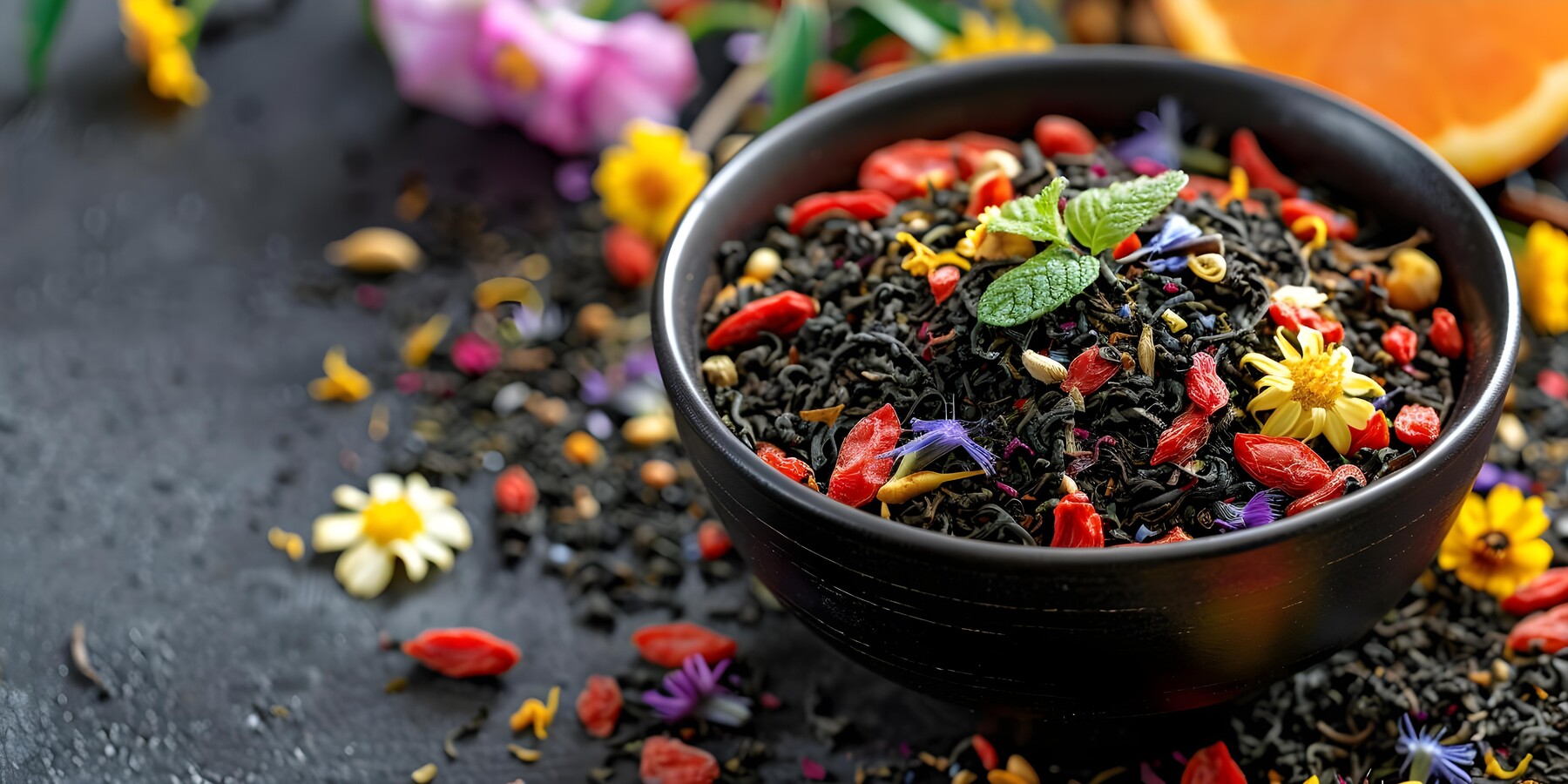
That’s changing. Botanicals are moving from supporting cast to headline: lavender, chamomile, elderflower, hibiscus, rosemary, basil, fennel seed, cardamom, bergamot, jasmine, coriander seed. Not as “hint of herb,” but as the flavor system itself.
The opportunity is bigger than pretty aromatics. Botanicals can signal calm, lift, focus, ritual, refreshment, and grown-up taste—without leaning on heavy sweetness or dessert cues to do the talking. The challenge? These notes are delicate, volatile, and extremely easy to push from “spa water chic” into “hand soap with bubbles.”

Why Now
In botanical flavor trends, mood is becoming a flavor occasion. Innova reports that half of global consumers say mood influences the flavors they crave, and 74% turn to food and drink to improve mood and cope with stress. That doesn’t mean a lavender lemonade gets to make a clinical claim. It means flavor has permission to carry an emotional cue: unwind, reset, brighten, sharpen, soften.
Botanicals fit that brief neatly. Innova’s botanical flavor work shows close to half of global consumers are looking for herbal flavors, while floral flavors are gaining in dairy and beverage launches. Consumers also link floral flavors with feeling relaxed, calm, and healthy.
There’s a transparency angle, too. Botanical ingredients are being valued for flavor, wellness cues, and clear plant-based appeal, with brands extending florals beyond tea into broader applications. Innova also notes that over 40% of global consumers use ingredient sourcing and additive/preservative information to judge product quality. In plain English: “lavender chamomile” can feel more legible than “soothing blue mystery flavor.”
Botanical Flavor Trends, Defined
Botanical-led flavor is the use of herbs, florals, spices, and seeds as the primary flavor architecture—not the accent on top.
It works best when the botanical has a clear job:
Calming:
- lavender pear
- chamomile honey
- lemon balm vanilla
- rose oat
Uplifting:
- elderflower citrus
- hibiscus lime
- bergamot peach
- mint melon
Energizing:
- ginger cardamom
- rosemary grapefruit
- black tea lemon
- coriander seed pineapple
Sophisticated:
- jasmine cream
- fennel orange
- basil strawberry
- rose black pepper
The best builds still need a familiar anchor. Botanicals are expressive, but many are narrow-band notes. Lavender without fruit or cream can go cosmetic. Rosemary without citrus, salt, or fat can read piney. Hibiscus without sweetness can taste thin and tannic. The anchor keeps the profile readable; the botanical gives it the reason to exist.
Flavor & Format Playbook
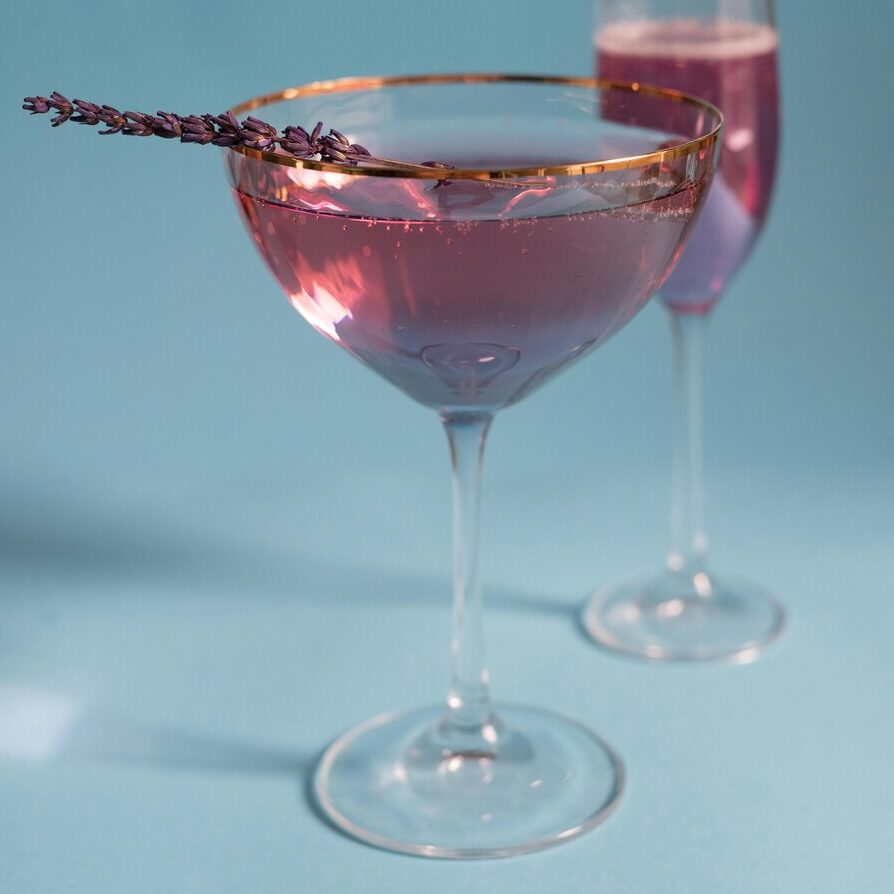
Lavender Pear Sparkling Tea
Pear gives soft body; tea gives structure; lavender adds the “slow down” cue. Keep the lavender low and rounded. Carbonation and acid can sharpen floral notes, so the finished drink may taste more perfumey than the bench sample.
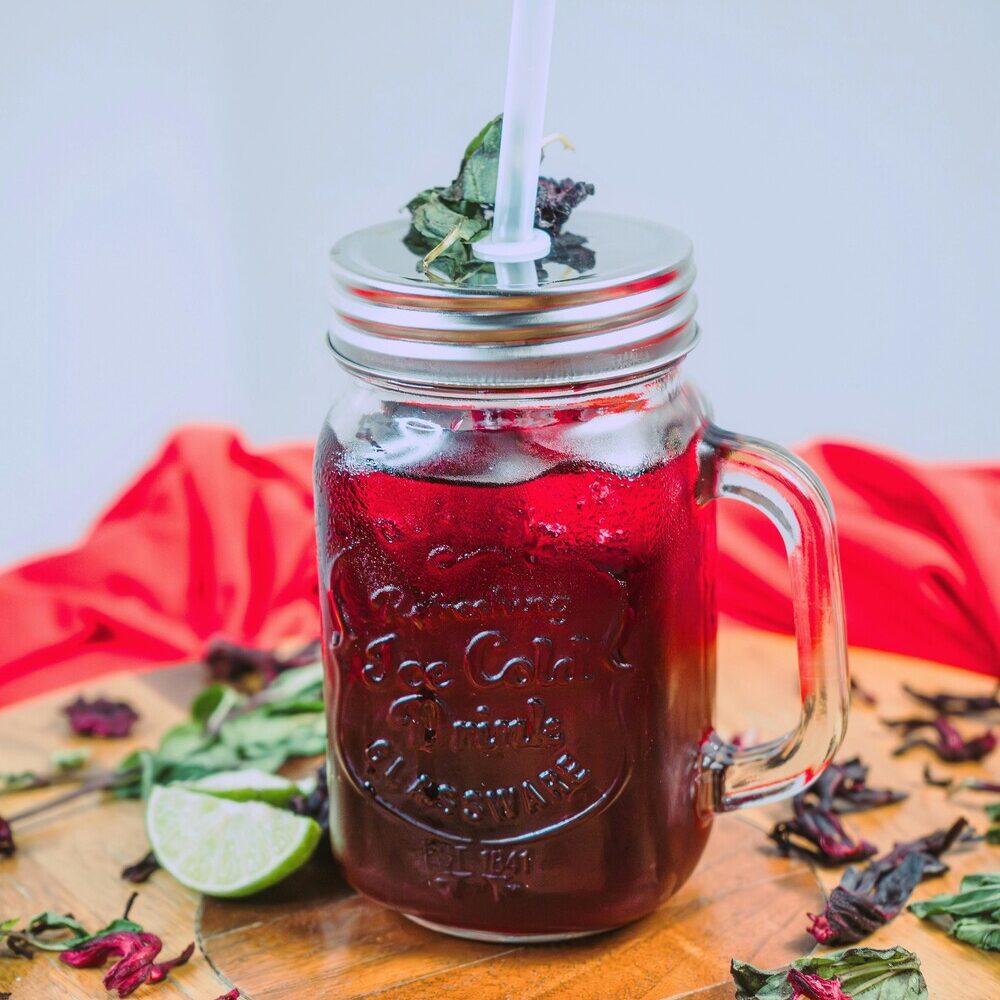
Hibiscus Bergamot Refresher
This is tart, ruby, tea-like, and citrus-peel bright. Hibiscus brings color and acidity, while bergamot adds grown-up lift. Watch the color story: hibiscus anthocyanins are more stable in acidic conditions, but pH, heat, light, oxygen, and other formula components can still drive fading or browning.
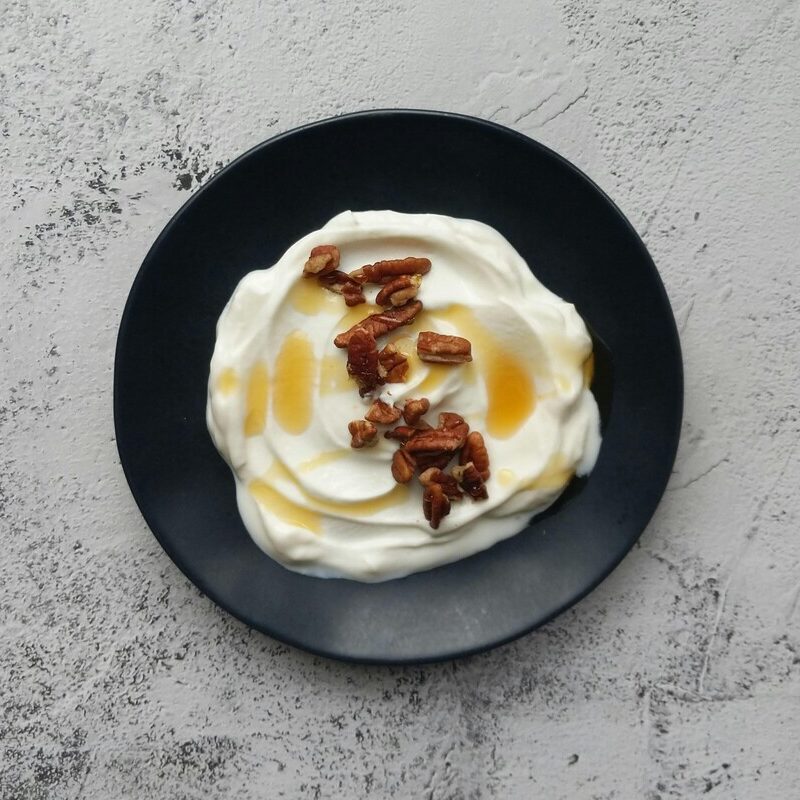
Chamomile Honey Yogurt
Chamomile’s apple-hay softness pairs well with honey, vanilla, and dairy fat. But cultured acidity and protein can flatten delicate floral lift. Build the profile with enough early aroma to survive retention, then use honeyed notes for roundness instead of simply adding more sugar.
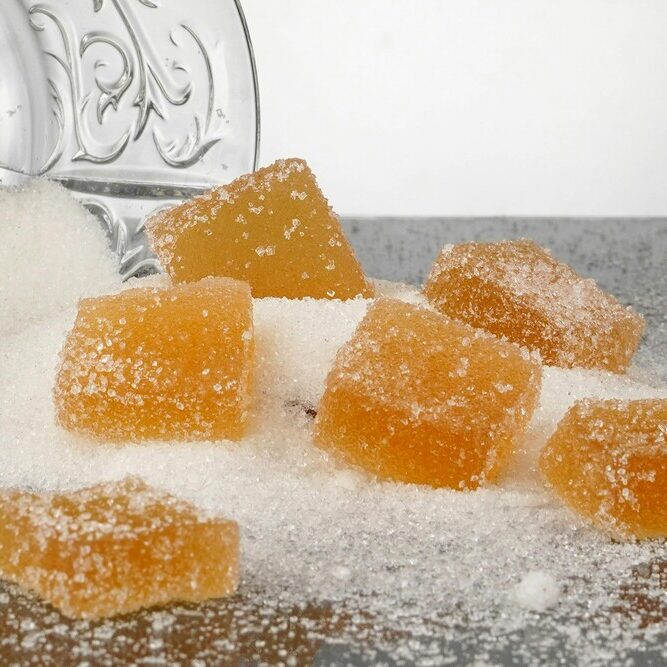
Elderflower Lemon Confection
Elderflower works beautifully in gummies, chews, and soft candies because it feels floral without shouting “perfume.” Lemon peel keeps it bright; pear or white grape can add body. The risk is disappearance: if the floral top note flashes off during cooking, the product can collapse into generic citrus.
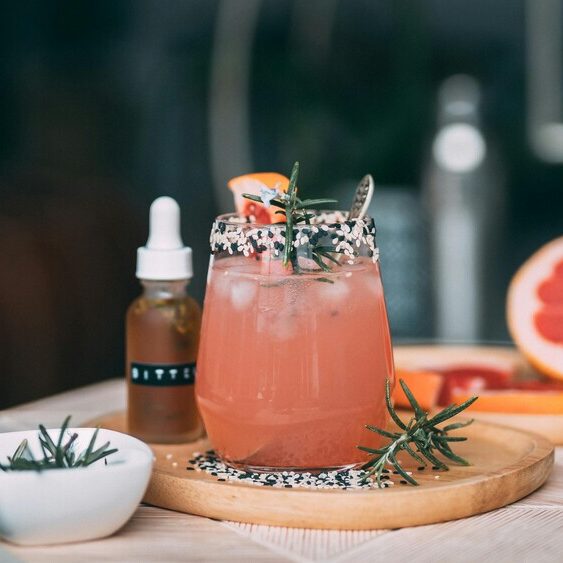
Rosemary Grapefruit Savory Crunch
This is where botanicals stop being dainty. Rosemary brings resinous lift, grapefruit peel adds bitter-citrus snap, and salt/fat make the whole thing snackable. Dose carefully: heat processing can change herbal intensity, and too much rosemary moves fast from culinary to cough drop.
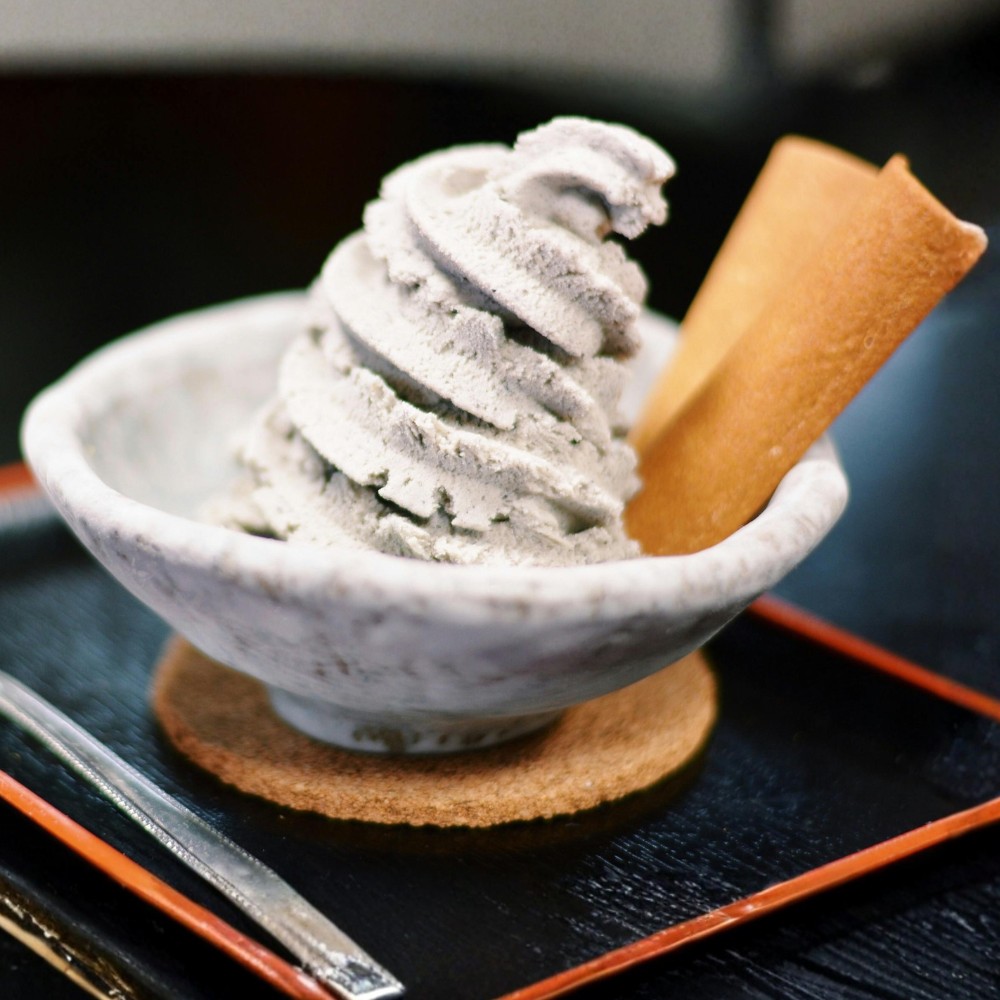
Black Sesame Jasmine Frozen Dessert
Jasmine gives floral lift; black sesame adds roasted seed depth and a little bitterness. The contrast feels premium because it is built on balance: creamy base, restrained sweetness, roasted body, floral top. Fat can smooth the jasmine, but it can also slow release, so end-of-life sensory matters.
R&D Watchouts
First
Botanicals are not forgiving. Many flavor compounds are highly volatile and sensitive to pH, light, heat, oxidation, and processing; encapsulation can help protect sensitive flavors and shape release timing.
Second
Emotional coding is not the same as substantiated functionality. “Calming lavender chamomile” is a flavor story. “Reduces stress” is a different conversation with regulatory baggage. Keep the promise sensory unless the formulation, claims pathway, and substantiation are built for more.
Third
The line between elegant and soapy is thin. Florals need body. Herbs need context. Spices and seeds need restraint. If the profile feels hollow, don’t just increase the botanical. Add architecture: citrus peel, honey, pear, cream, tea tannin, toasted grain, salt, or soft bitterness.
The Bottom Line
In botanical flavor trends, botanicals are becoming flavor drivers because they solve several briefs at once: less sugar-dependent complexity, wellness-adjacent storytelling, grown-up refreshment, and mood-based positioning. But the winning products won’t taste like someone waved an herb bundle over the tank. They’ll be built with clear emotional intent and real formulation discipline.
A good botanical profile doesn’t whisper. It has a point of view. It just knows better than to yell.
Want more insight into the sensory science, formulation strategy, and flavor trends shaping what’s next? Explore the Flavor Industry Insights & Trends hub.
Insights & Trends
Beyond Pumpkin Spice: Building Occasion Flavors
October 14, 2026
Premium, Complex… or Medicinal?
September 28, 2026
The Scoville Scale Is Losing the Plot
September 14, 2026

Why the Second Sip Gives Your Sweetener Away
August 28, 2026
When “Naturally Sweet” Gets Complicated
August 11, 2026
The “Protein Problem”
July 29, 2026
Lemon-Lime Lost Its Monopoly
July 14, 2026

Coffee’s Next Frontier
June 22, 2026
Maximalism, Refined: Why Bigger Flavor Is Getting Smarter
June 12, 2026
Spice Without Pain
May 29, 2026
Botanicals Take the Lead
May 14, 2026
Color Talks Before Flavor Does
April 28, 2026
From “Asian-Inspired” to Region-True
April 13, 2026

Strawberry’s Not Moody—Your Formula Is
March 31, 2026
Dessert Déjà Vu, Upgraded
March 12, 2026
Cravings, Rewired: The Science of Shifting Taste
February 26, 2026
Swicy, but Make It Fruit
February 12, 2026

Nostalgia Flavors
January 28, 2026
Stack Attack
January 13, 2026
The Aftertaste Ambush
January 1, 2026
View All Blog Posts