

June 12, 2026
/
Bold flavor trends aren’t going away. They’re learning how to behave
There are bold flavor trends, and then there’s a product that tastes like someone emptied the trend drawer into a blender.
The next wave is not more mango, more chili, more foam, more crunch, more drizzle, more everything. That’s not innovation. That’s a sensory traffic jam.
Refined maximalism is different. It still wants impact. It still wants the first sip, bite, snap, fizz, swirl, or crunch to feel exciting. But the best versions now have a little discipline: a clear anchor, a planned contrast, texture that earns its keep, and a finish that doesn’t punish the consumer for being curious.
Maximalism Is Not Over — It’s Growing Up
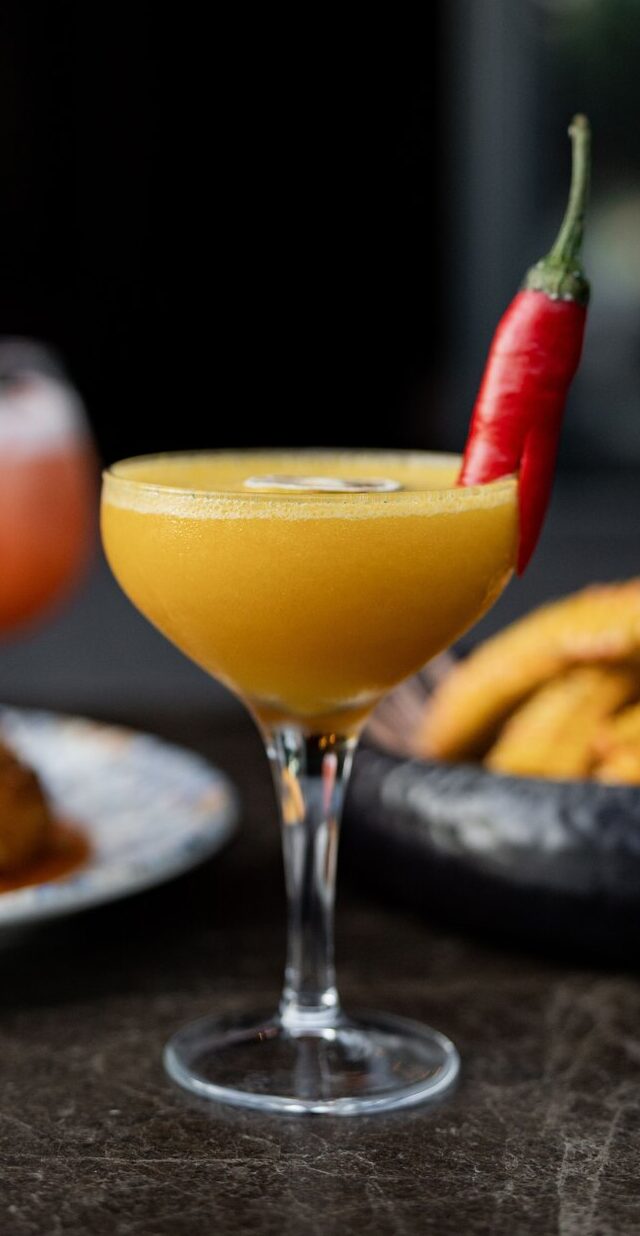
The bold-and-indulgent flavor wave made room for bigger combinations: smoky-sweet, spicy-sour, creamy-crunchy, fruit-chili, dessert-plus-savory. That appetite for bigger sensory payoff is still here, but the execution is getting more precise. Texture, aroma, and visual appeal are becoming stronger parts of perceived value, while layered combinations of smoky, spicy, sweet, sour, and umami are showing up across culinary categories.
For product developers, that changes the assignment.
Loud is easy. Useful is harder.
A mango-chili beverage needs more than heat. It needs acid shape, fruit timing, sweetness control, and a burn curve that doesn’t flatten the mango. A black sesame caramel frozen dessert needs roasted depth without drifting bitter. A chili crisp ranch snack seasoning needs allium, tang, oil-soluble chile character, crunch, and dairy-style roundness in the right order—not just a bigger hit of “spicy.”
The goal is bold enough to feel exciting, familiar enough to feel usable.
Texture Becomes the New Multiplier in Bold Flavor Trends
Texture is no longer the polite supporting actor. It’s stealing scenes.
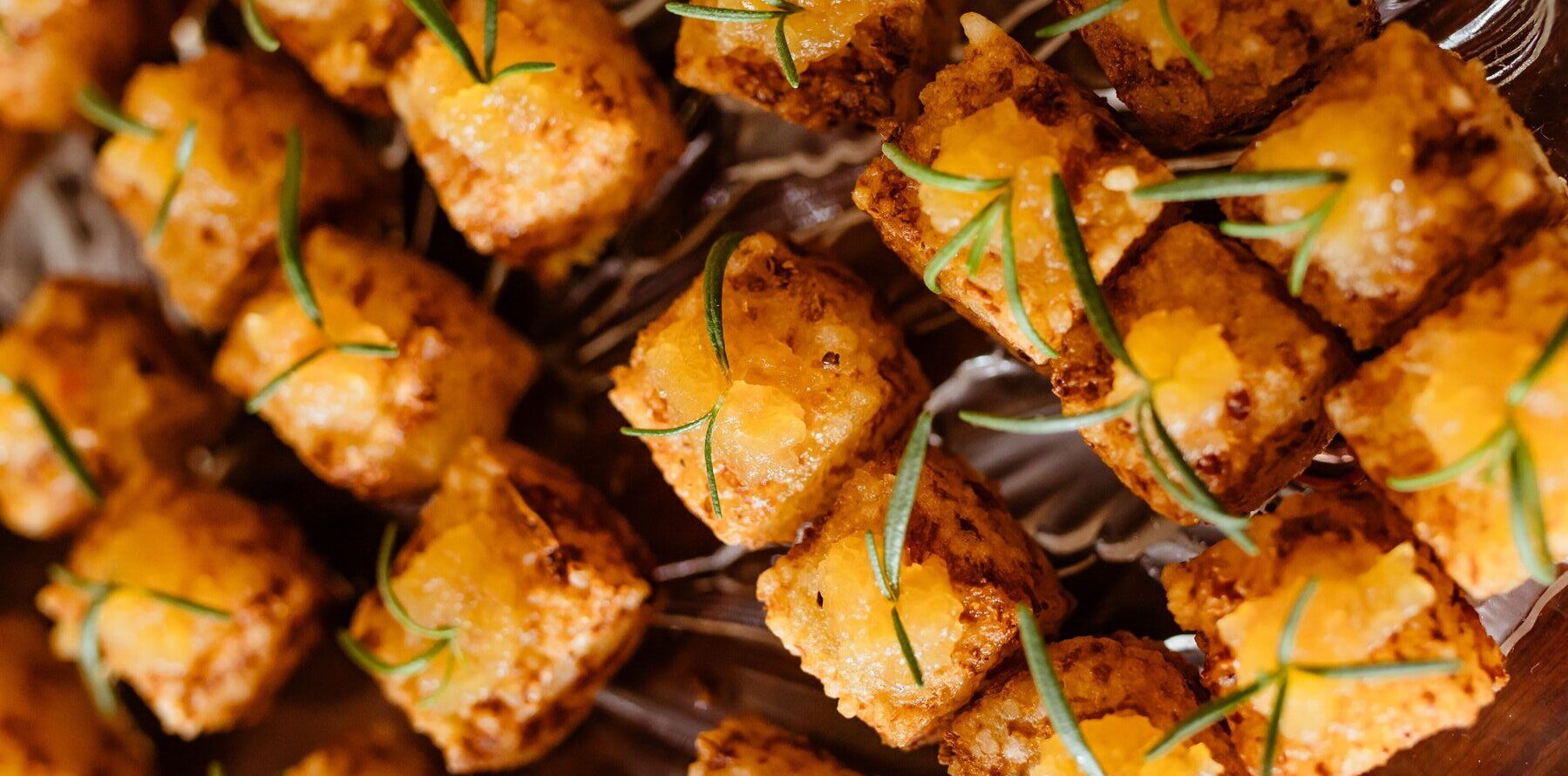
Crunchy-creamy. Chewy-crispy. Fizzy-creamy. Whipped. Foamed. Aerated. Popping. Layered. Inclusion-driven. These aren’t just social-feed tricks; they change how flavor arrives and how long interest lasts.
Mouthfeel is tightly connected to the total flavor experience, shaped by texture, viscosity, temperature, carbonation, astringency, coating, drying, and trigeminal sensations. In bench language: texture changes the message.
That’s why the same flavor system behaves differently in a cold foam, gummy, yogurt swirl, protein bar, carbonated drink, coated snack, or frozen novelty. Texture can stretch sweetness, sharpen acid, delay aroma release, or make heat feel bigger than expected.
But texture maximalism has a shelf-life tax. Crispy inclusions absorb moisture. Foams collapse. Popping inclusions bleed. Crunch gets tired. The prototype may sing on day one and mumble by week eight.
Build texture like part of the formula, not confetti thrown on at the end.
Sweet Heat Turns Into Bigger Contrast
Swicy opened the door. Now the room is getting more interesting.
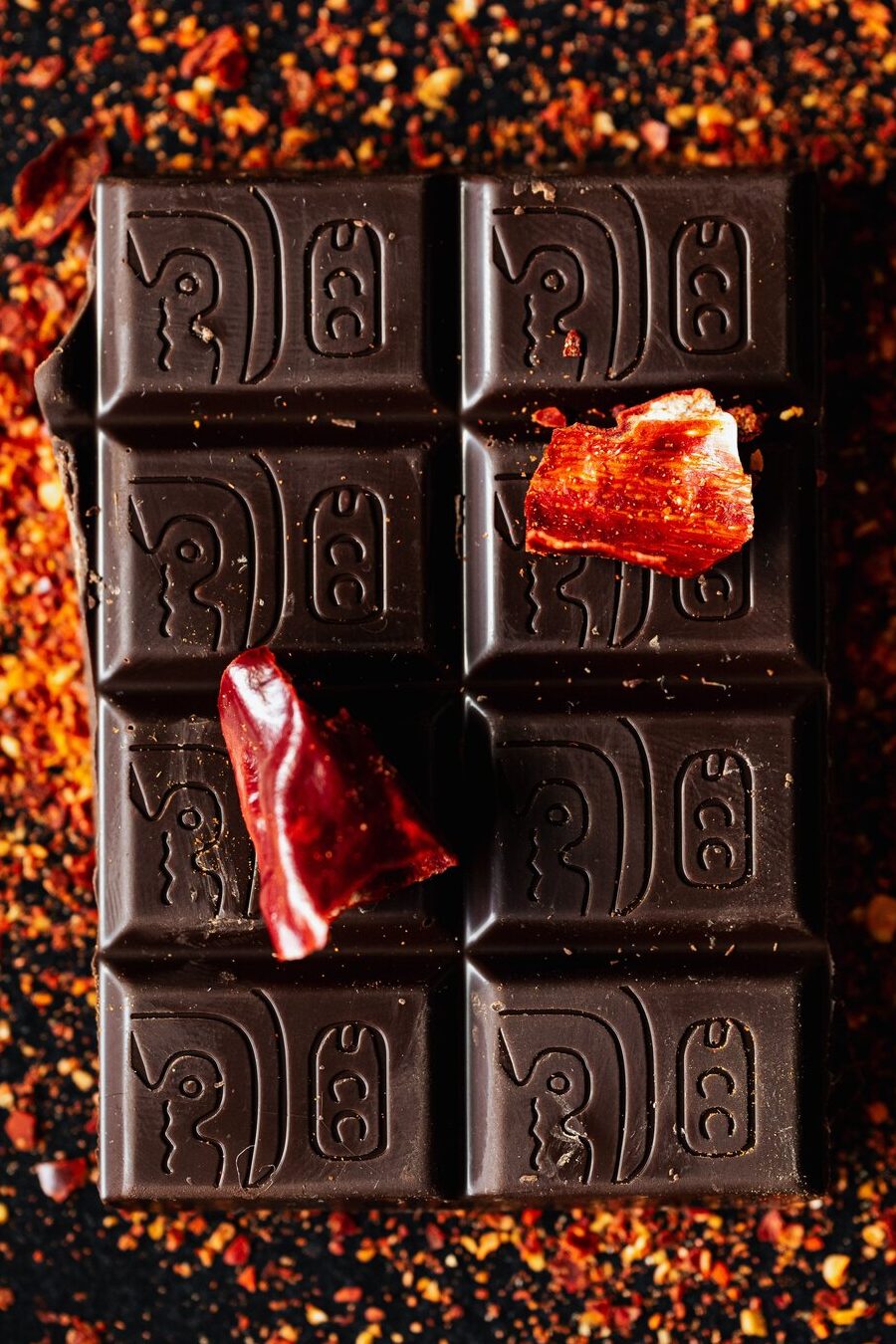
Sweet heat is expanding into tangy-spicy, sweet-savory-spicy, sour-spicy, umami-spicy, and fruit-chili builds. “Swangy” points to spicy + sweet + tangy. “Swavory” brings spicy + sweet + savory. Fruit-forward heat is also moving beyond basic chili-mango into pairings with tropical fruit, citrus, fermented chile, complex sweeteners, sour accents, and savory depth.
This is where maximalism gets smarter. Heat is no longer the whole headline. It’s a tool for contrast.
Tamarind-lime brings acid and brown-fruit depth. Chamoy adds sweet, sour, salty, chile, and fruit in one recognizable arc. Yuzu kosho brings citrus peel, salt, and fermented chile bite. Gochujang adds umami, heat, and soft sweetness. Salsa macha gives roasted chile, nutty oil, and crunch.
The failure mode? Heat that bulldozes.
If the burn arrives too early, fruit disappears. If acid gets too sharp, the profile turns prickly. If sweetness gets too heavy, everything collapses into candy. Better maximalist heat has choreography: fruit first, contrast second, warmth last.
Global Cues Make Big Flavor Feel Specific
Specificity is doing a lot of work here.
“Global-inspired” is too blurry for where the market is going. Consumers are already engaging with more specific cues, from birria, salsa macha, and aguachile to pandan, sudachi, gochujang, chili crisp, yuzu, tamarind, miso, za’atar, sumac, zhug, and labneh. Global flavor access is now widespread, with many consumers living near globally influenced restaurants and global grocers.
For R&D, specificity is not just naming. It’s architecture.
Don’t put “yuzu kosho” on a label unless the profile has citrus peel, salt, green chile, and fermented bite. Don’t use “black sesame” if the flavor reads like generic nut. Don’t promise “chili crisp” without roasted allium, oil-soluble chile depth, and texture.
The map pin only works if the formula can back it up.
The Familiar Format Still Matters
Here’s the trick: the bolder the flavor, the more useful a familiar format becomes.
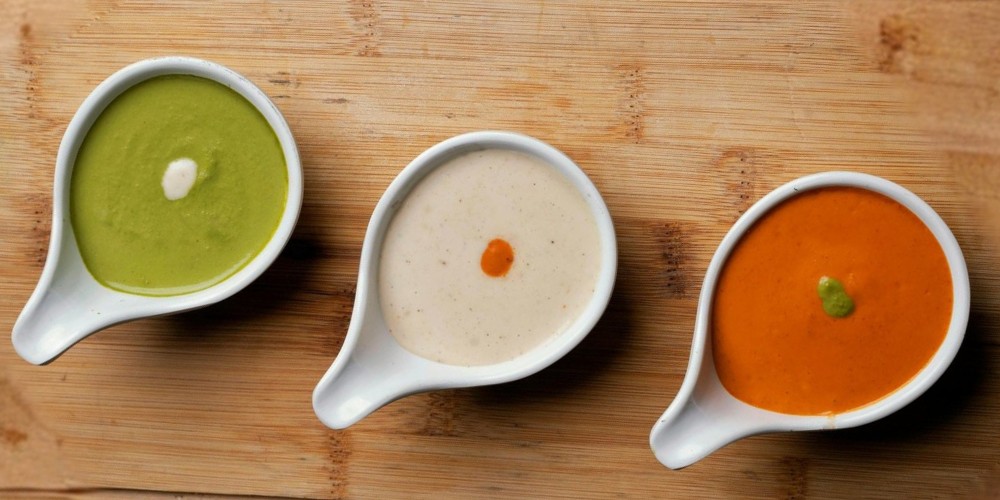
Snacks, sauces, condiments, dips, frozen treats, bakery, dairy, RTD coffee, bars, and beverage toppers give maximalist flavor somewhere to land. They tell the consumer, “You know how this works,” while the flavor adds the surprise.
Condiments are especially strong because they make boldness modular. A chili crisp ranch, hot honey brown butter glaze, tamarind-lime drizzle, yuzu kosho aioli, or salsa macha BBQ sauce lets consumers control the dose. That matters when heat, acid, aroma, oil, sweetness, and texture are all trying to speak at once.
Example Flavor Combinations and Foods
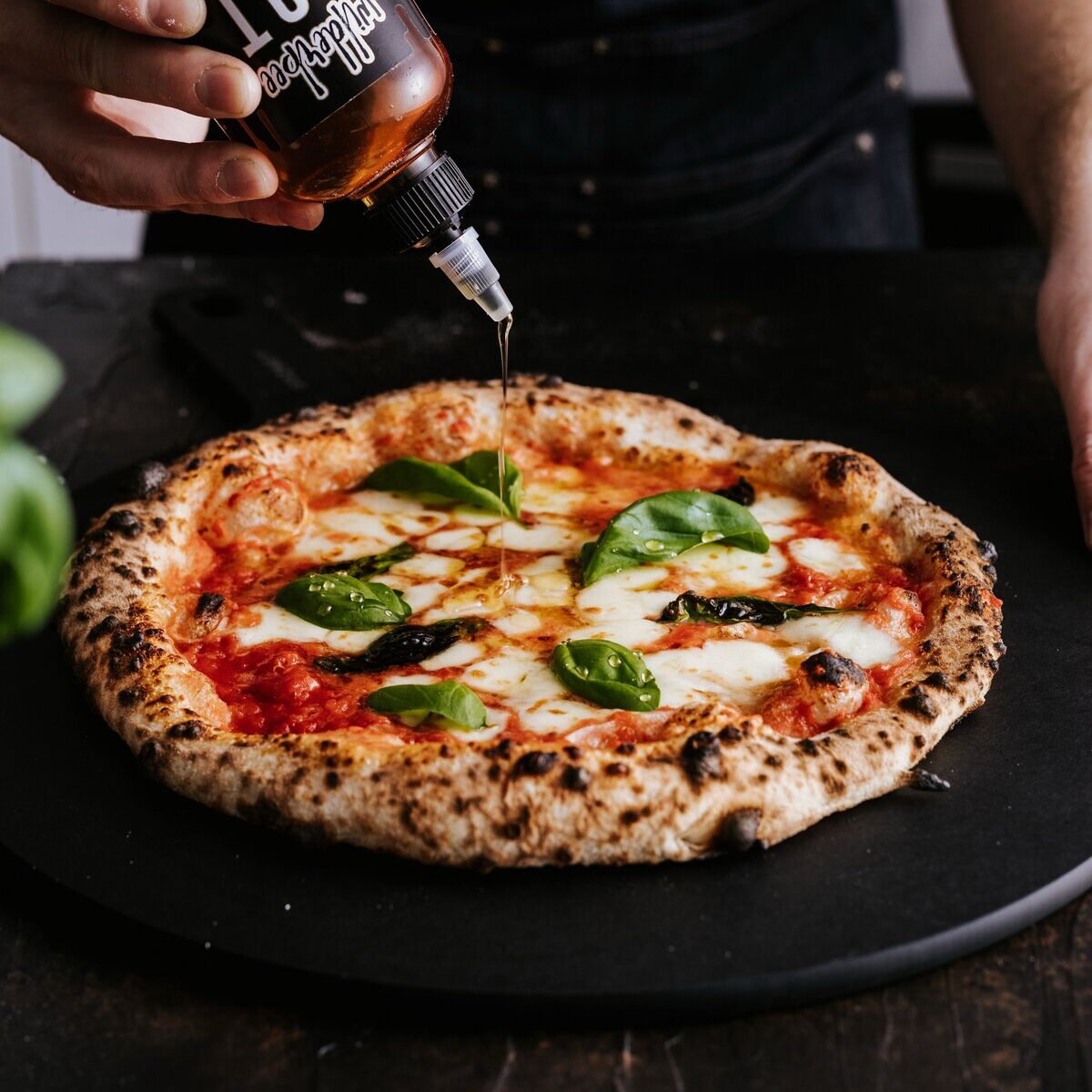
Current Maximalism
- mango chili gummies
- hot honey pizza
- chili crisp ranch chips
- mango iced tea with chili-lime boba
- chamoy fruit drinks
- maple jalapeño chili crisp
- black sesame caramel lattes
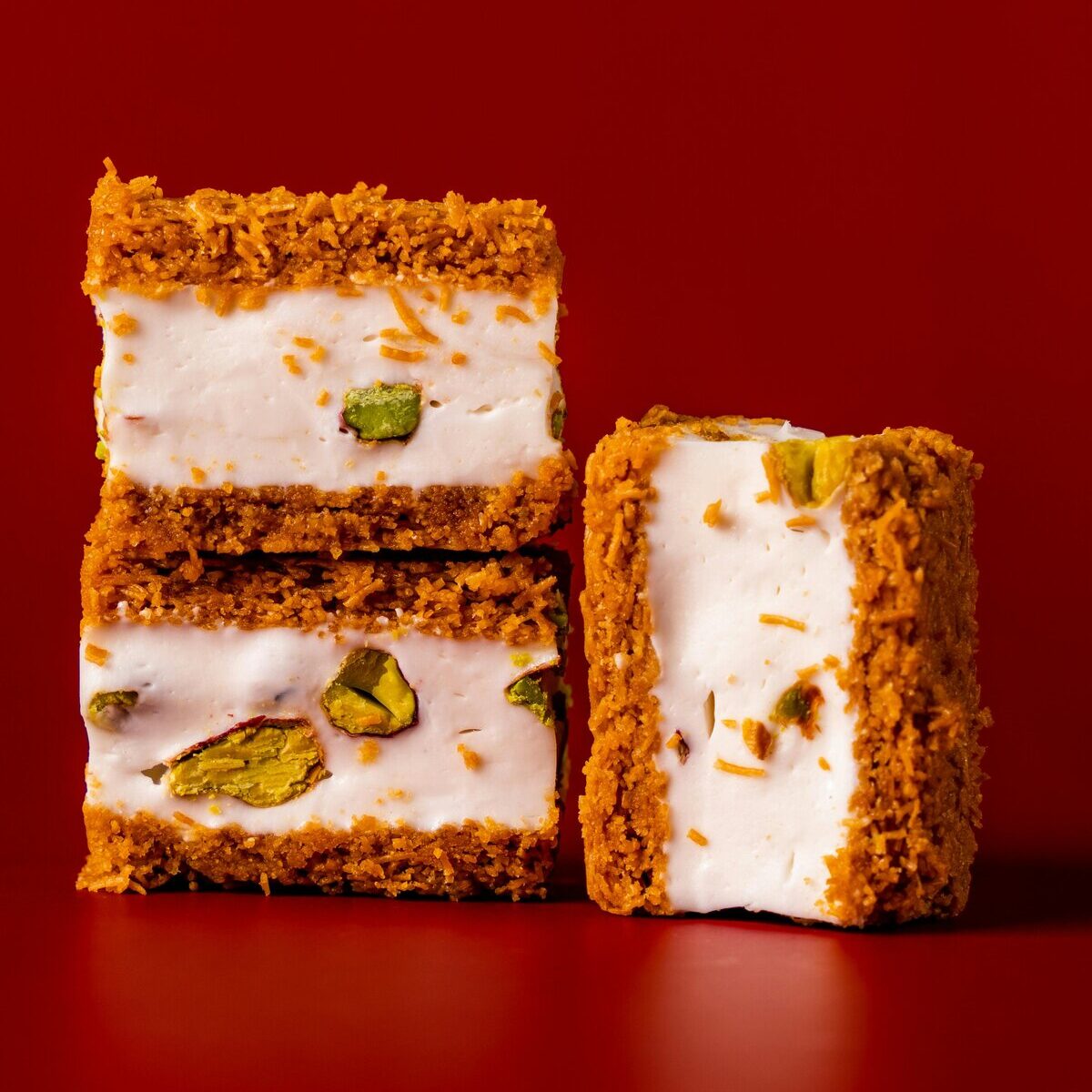
Next-Wave Maximalism
- yuzu kosho butter popcorn
- gochujang maple glaze
- tamarind-lime cold foam refresher
- salsa macha strawberry BBQ sauce
- sour cherry cola with chili finish
- pistachio rose cream bars
- matcha strawberry crunch
- miso caramel brownie bites, aji verde citrus dips
What Bold Flavor Trends Mean for Product Developers
Start with one clear anchor. Then build contrast around it.
Use texture as a design lever. Pair novelty with comfort. Make boldness modular through sauces, swirls, toppings, coatings, inclusions, or layered beverage components. Watch the finish like a KPI. And don’t confuse more ingredients with more impact.
Refined maximalism is where bold flavor trends become big flavor with a plan. It knows when to crunch, when to bloom, when to burn, when to cool down, and when to get out of the way.
That’s the real shift. The volume is still up. The mix is finally better.
Insights & Trends
Beyond Pumpkin Spice: Building Occasion Flavors
October 14, 2026
Premium, Complex… or Medicinal?
September 28, 2026
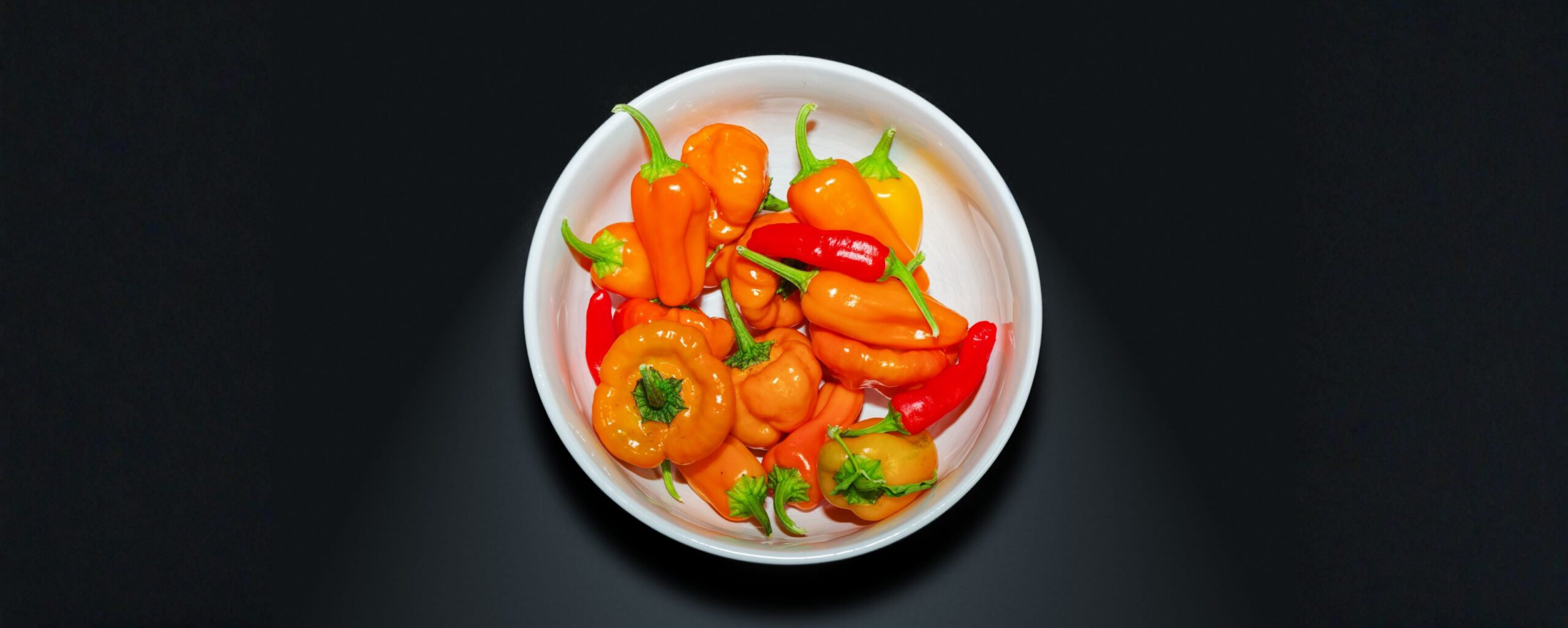
The Scoville Scale Is Losing the Plot
September 14, 2026

Why the Second Sip Gives Your Sweetener Away
August 28, 2026
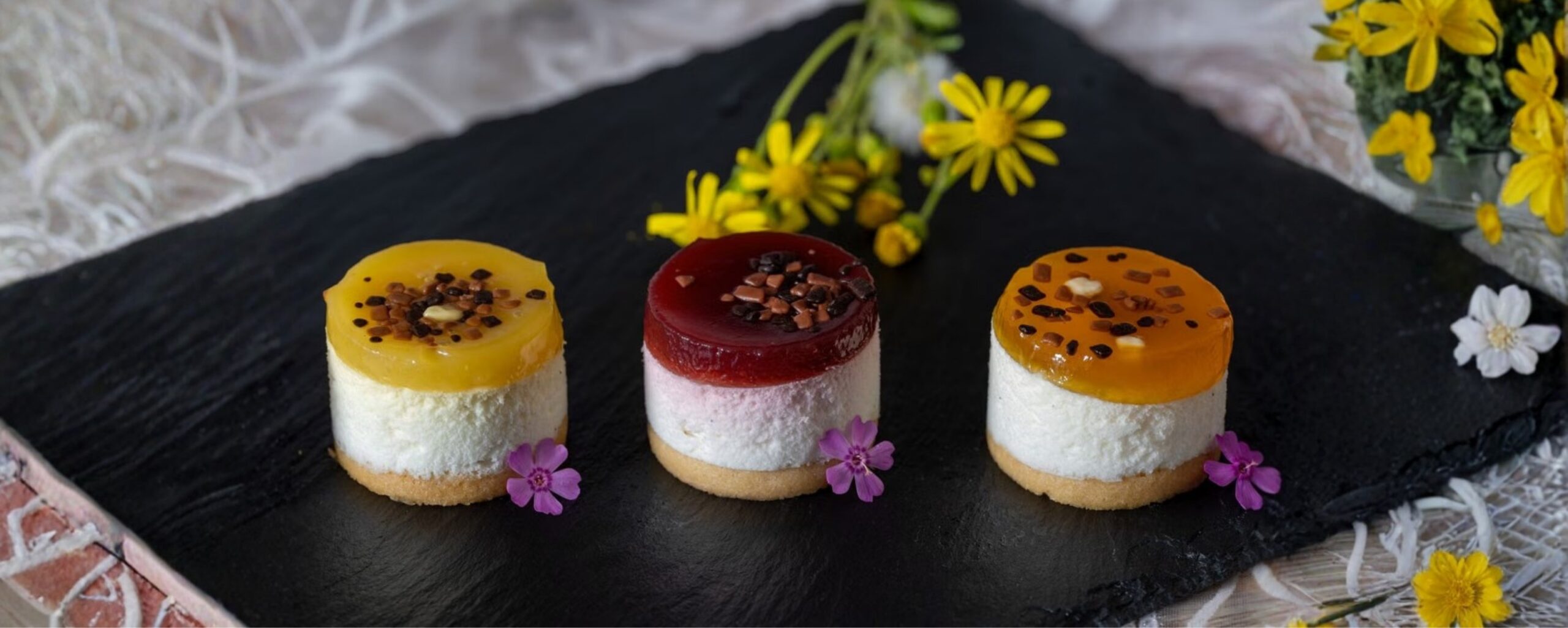
When “Naturally Sweet” Gets Complicated
August 11, 2026
The “Protein Problem”
July 29, 2026
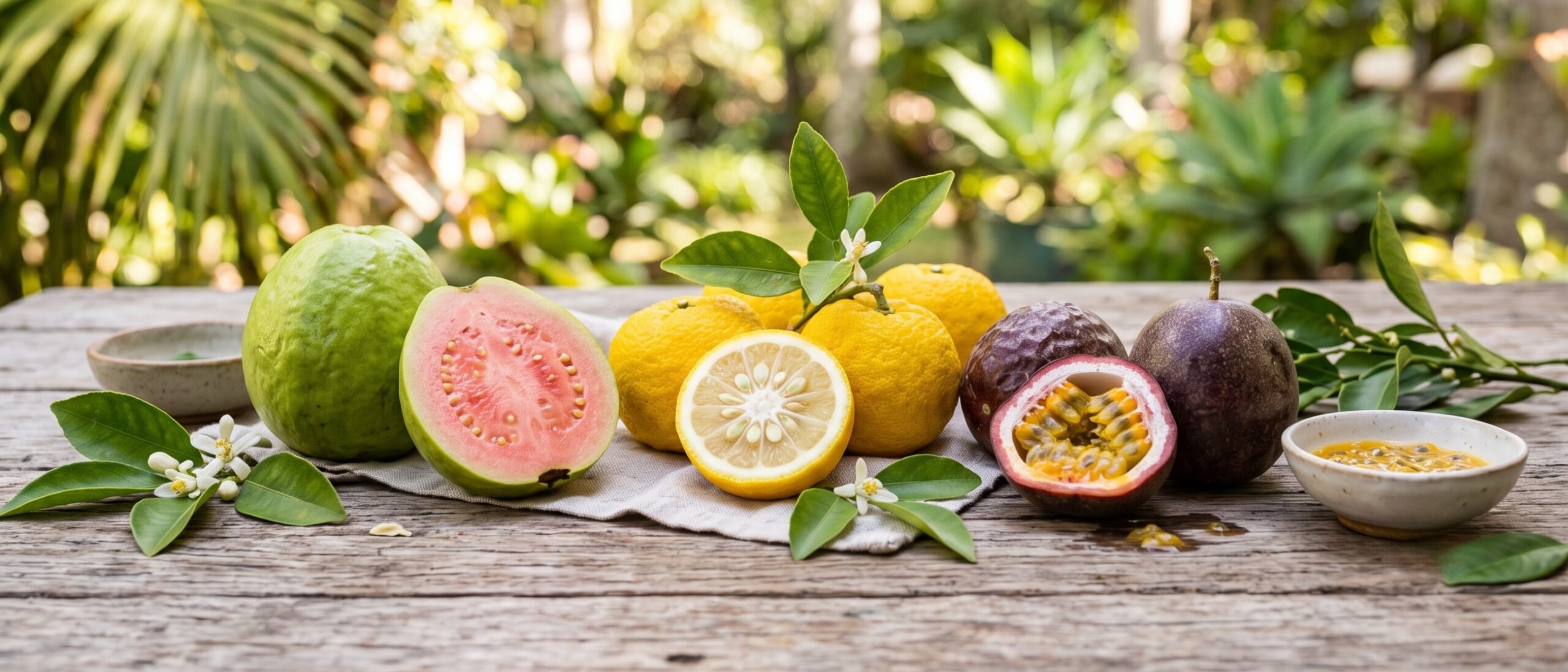
Lemon-Lime Lost Its Monopoly
July 14, 2026

Coffee’s Next Frontier
June 22, 2026
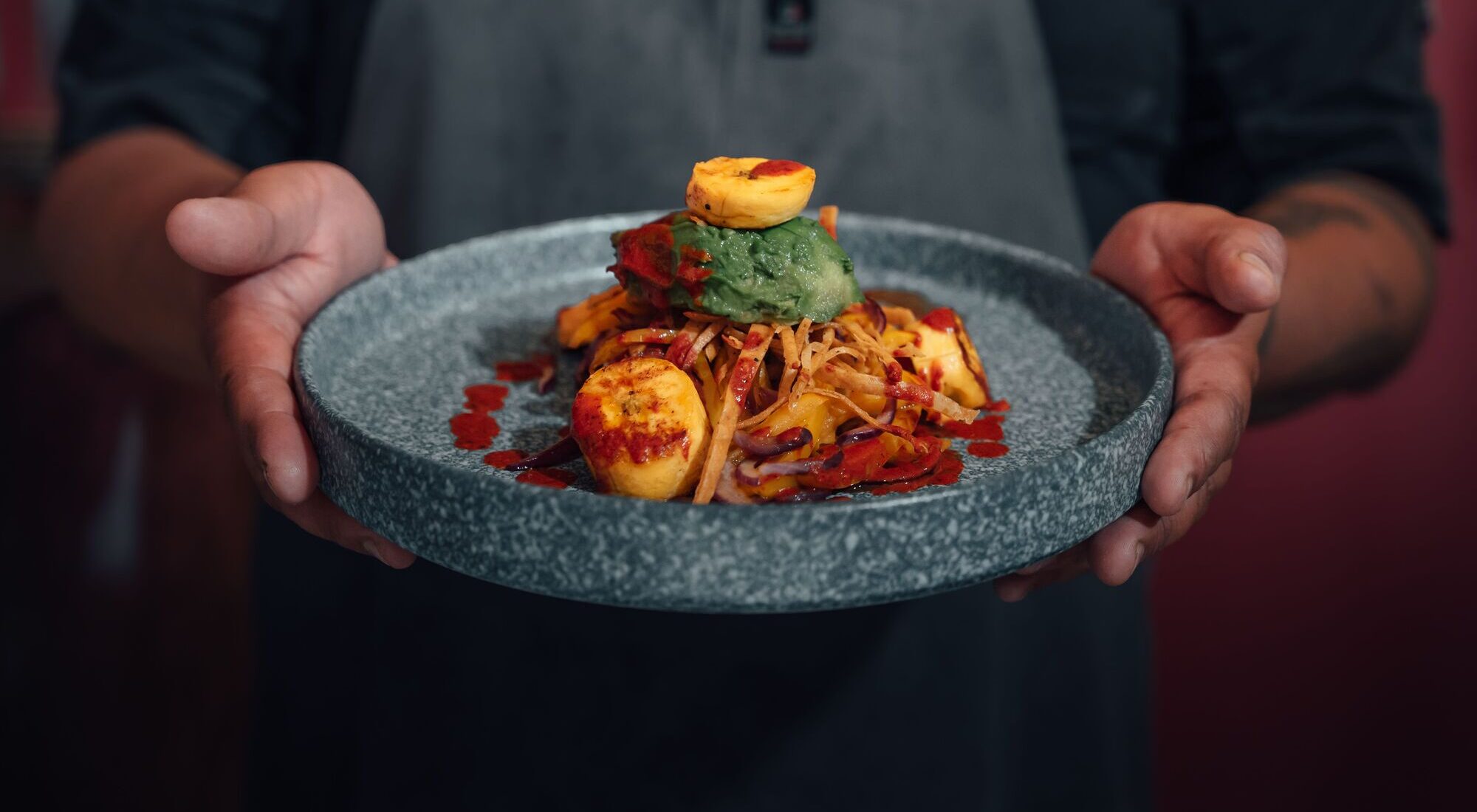
Maximalism, Refined: Why Bigger Flavor Is Getting Smarter
June 12, 2026
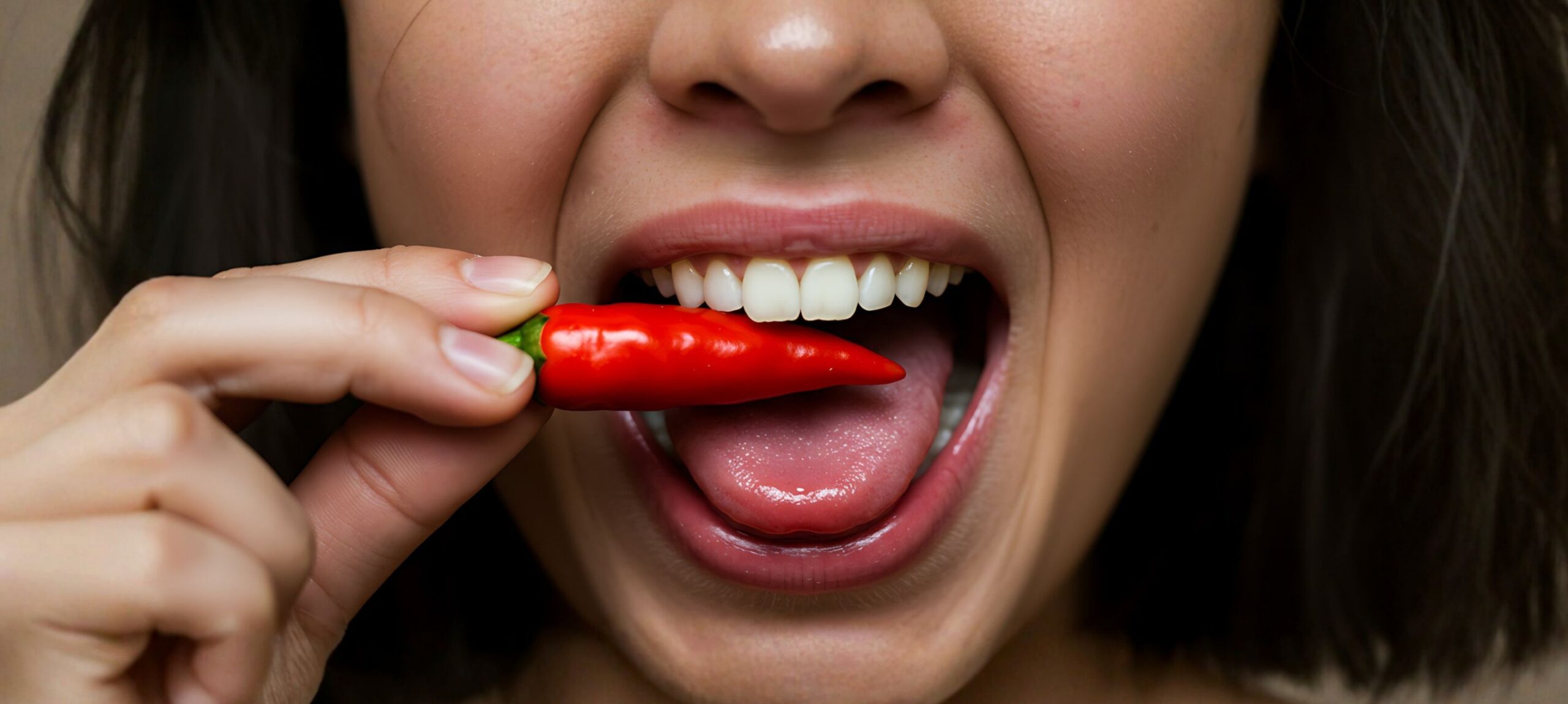
Spice Without Pain
May 29, 2026
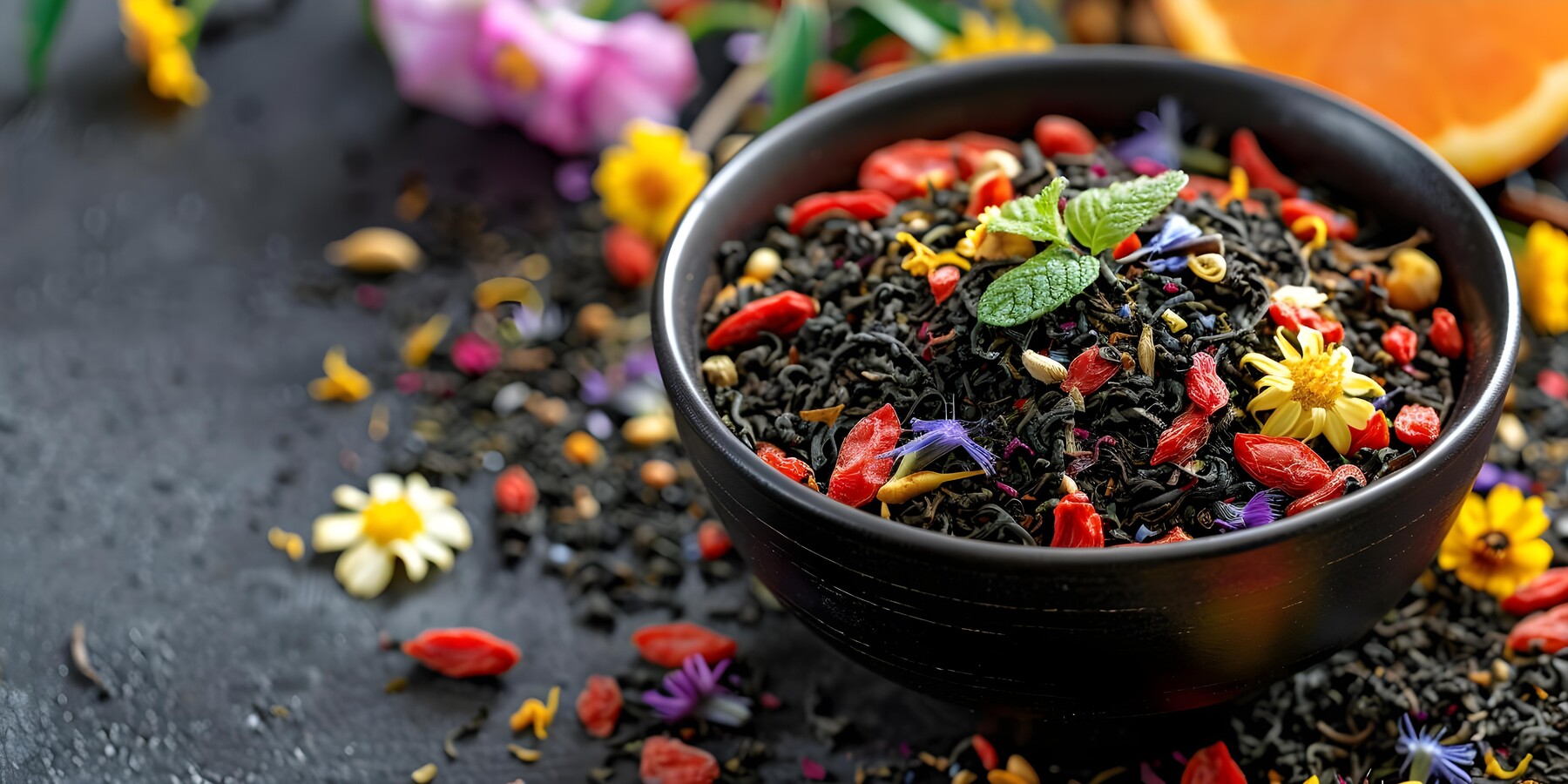
Botanicals Take the Lead
May 14, 2026
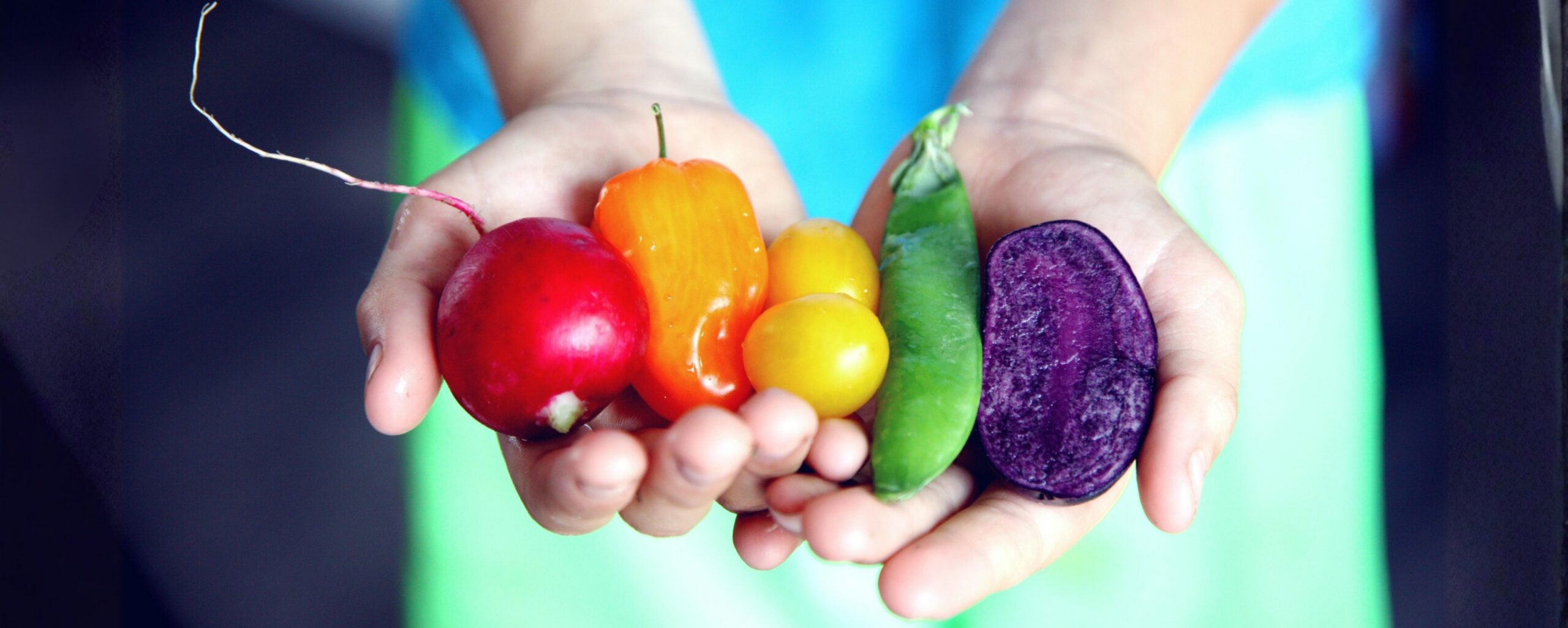
Color Talks Before Flavor Does
April 28, 2026
From “Asian-Inspired” to Region-True
April 13, 2026
Strawberry’s Not Moody—Your Formula Is
March 31, 2026
Dessert Déjà Vu, Upgraded
March 12, 2026
Cravings, Rewired: The Science of Shifting Taste
February 26, 2026
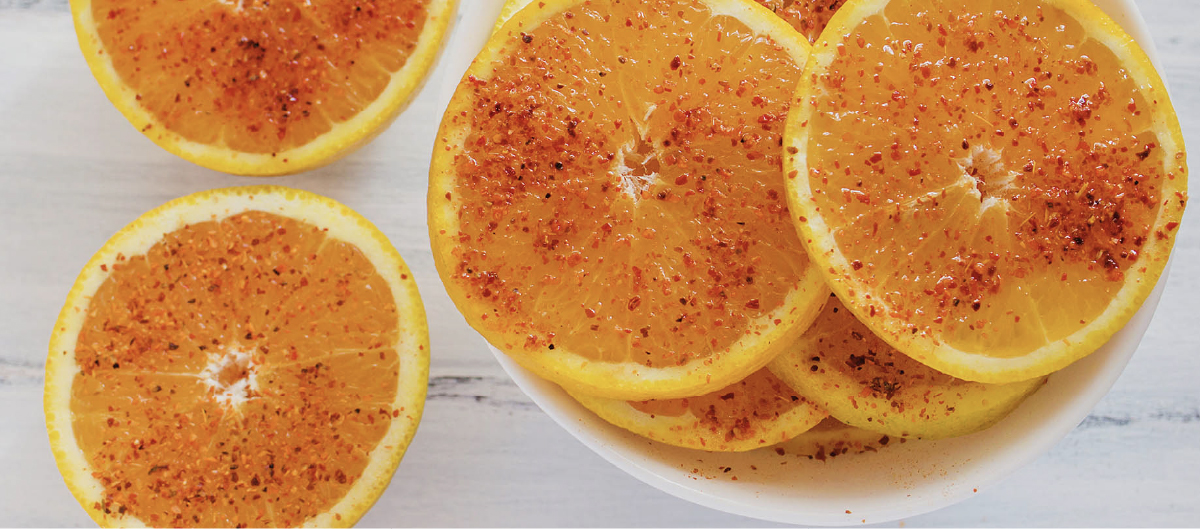
Swicy, but Make It Fruit
February 12, 2026

Nostalgia Flavors
January 28, 2026
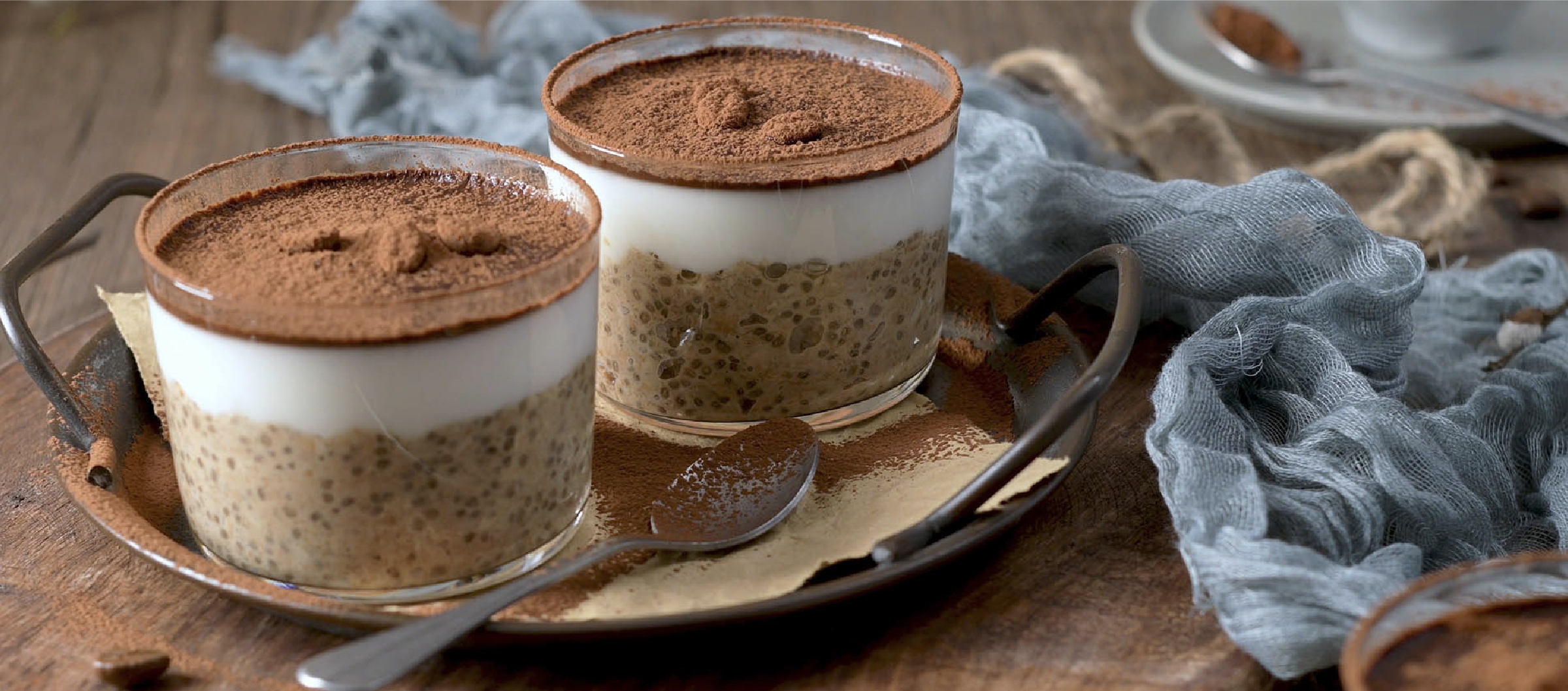
Stack Attack
January 13, 2026
The Aftertaste Ambush
January 1, 2026
View All Blog Posts