

July 29, 2026
/
Protein Isn’t a Flavor. Until the Formula Makes It One.
Protein looks fantastic in 48-point type. In the mouth, it can stage a tiny hostile takeover.
The vanilla shake turns into damp cardboard. The fruit drink finishes dry enough to sand a table. The bar delivers 20 grams of protein and 40 seconds of jaw work. “High-protein” may win the front panel, but the formula still has to survive the sip, chew, swallow—and the awkward aftertaste meeting afterward.
More than half of global consumers say they’re actively increasing protein intake, and high-protein claims are spreading into snacks, bakery, beverages, and indulgent formats. The sensory bar is rising with the protein number. A product can’t taste like a compromise just because the nutrition panel looks ambitious.

“Protein-y” Is Not a Diagnosis
That complaint usually hides four failures: inherent off-notes, aroma suppression, astringency, and texture breakdown. Treat them as one problem and the usual fix is “add more flavor.” That’s how you get a louder product that still tastes wrong.
Plant proteins can bring beany, grassy, green, cardboard-like, or fatty volatiles, plus bitterness and astringency. Dairy proteins have their own baggage: sulfurous, cooked, brothy, or stale notes can emerge depending on ingredient quality, heat, acidification, and storage.
The first R&D move is painfully unglamorous: taste the protein in the target base before flavoring it. Same pH. Same sweetener. Same process. Same shelf-life conditions. A protein that tastes clean in water may become less charming after UHT, low-pH processing, or eight weeks in package.
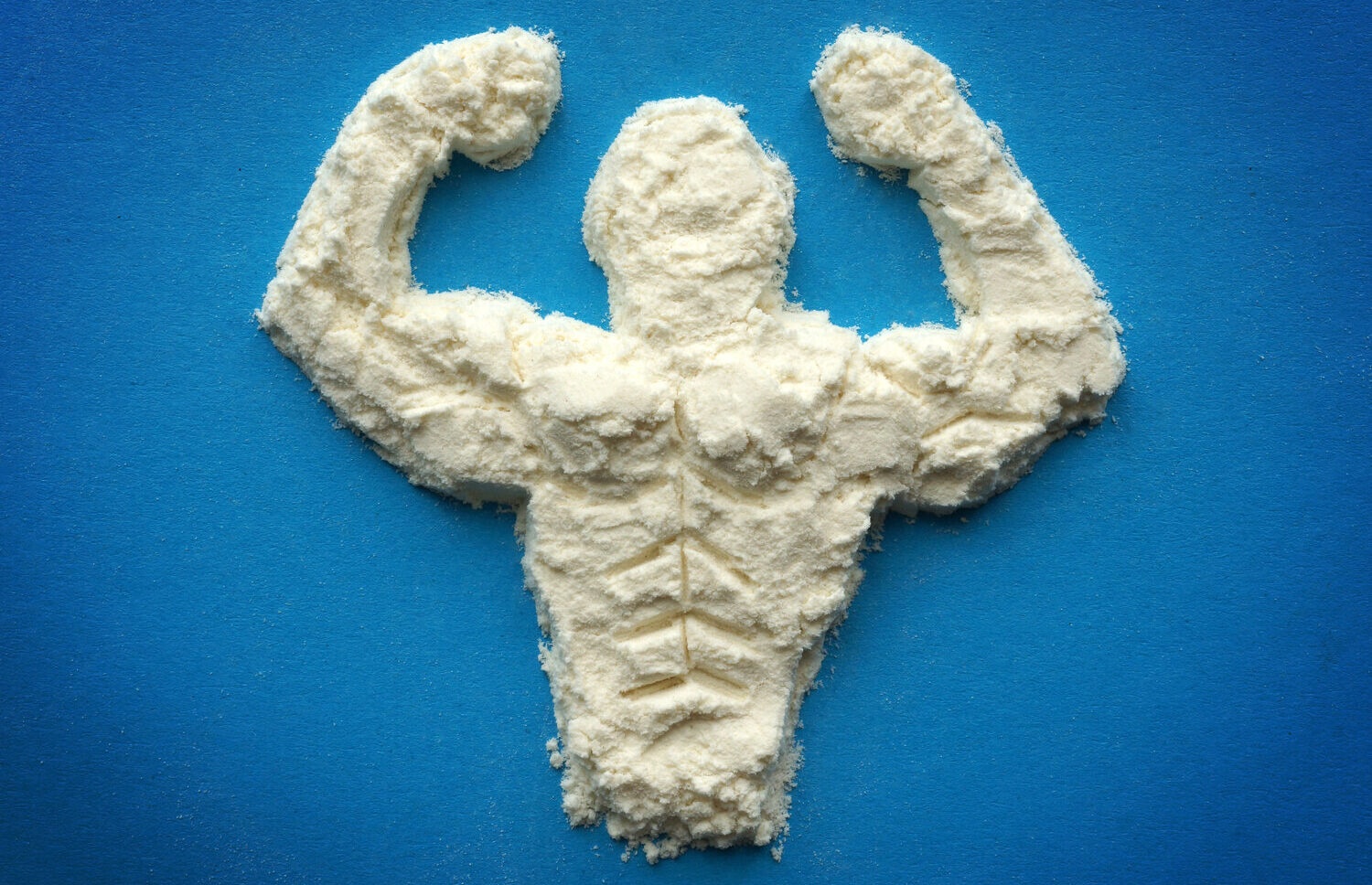
The Flavor Didn’t Disappear. The Protein Grabbed It.
Proteins don’t just contribute flavor; they interact with flavor molecules. Higher protein concentration can reduce the amount of certain aroma compounds reaching the headspace, especially more hydrophobic esters and ketones. The formula contains vanilla, strawberry, or caramel, but less is available when the consumer tastes it.
That’s why copying a flavor dosage from a standard beverage into a 25-gram protein shake often fails. In one RTD dairy study, moving from 15 to 25 grams of protein per serving increased astringency and viscosity while decreasing perceived vanillin flavor. Protein type mattered too; blends with more serum protein showed more sulfur/eggy character and less vanilla impact.
The fix is not automatic overdosing. Lock the protein system first, then rebuild flavor around the matrix. Screen top, middle, and finish separately. A fruit ester may be retained while acid punches through, leaving “sour protein drink” instead of fruit. Vanilla can flatten while cocoa bitterness hangs around like it pays rent.
Skunky and Rubbery Notes Don’t Need Much Room
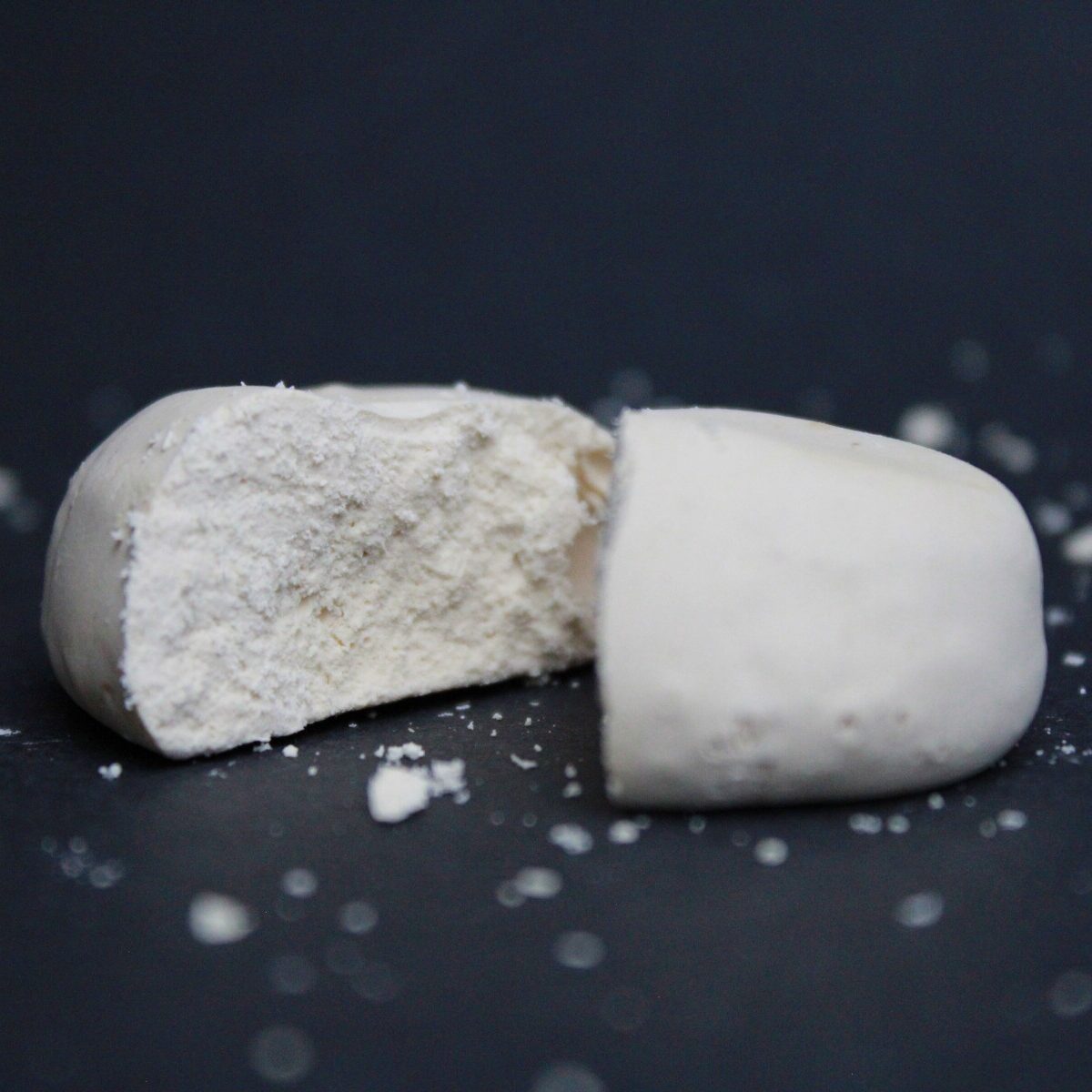
Teams often reach for gums when a product feels dry. Sometimes that helps suspension. It does not necessarily fix mouthdrying.
Whey-protein astringency is tied to increased oral friction and interactions with saliva and oral surfaces, especially in acidic systems. Thermal denaturation can worsen it: longer heating has been linked with larger particles and greater buildup of drying, chalky, and mouthcoating sensations over repeated sips.
Thickness and lubrication are not the same thing. A beverage can be thick and still feel like wet drywall. Reviews of whey-protein mouthdrying note that adjusting viscosity, sweetness, or fat has not consistently solved it; improving lubrication may be the more useful target.
Bench implication: evaluate particle size, aggregation, and oral slip—not just viscosity. Emulsification, fat distribution, protein selection, and process severity may do more for smoothness than another tenth of a percent of hydrocolloid.
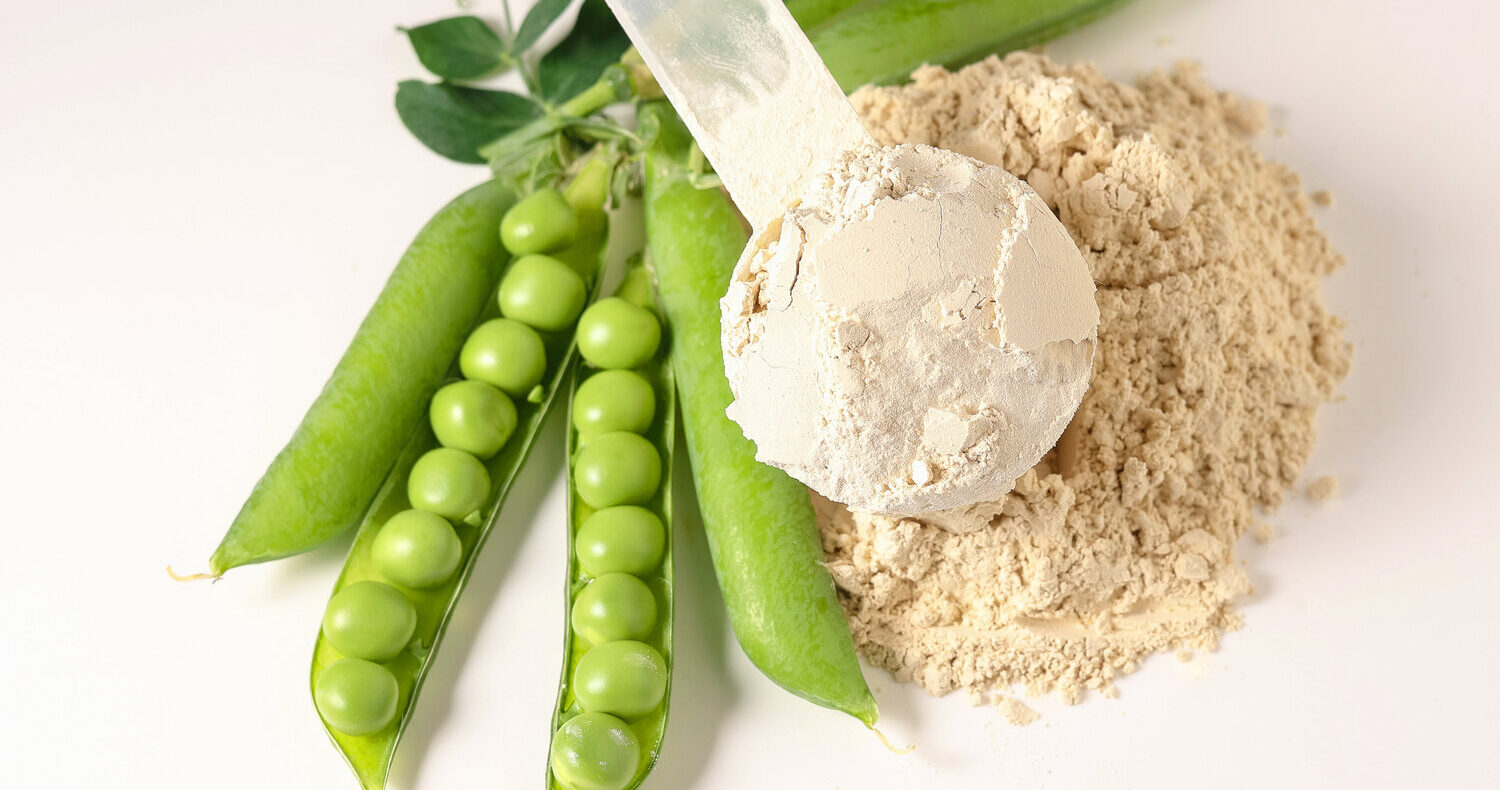
Processing Is Part of the Flavor System
High-protein formulas are sensitive to pH, ionic strength, heat, shear, hydration, and order of addition. Those variables change solubility, aggregation, aroma binding, and off-note generation. Shelf-stable dairy beverages are especially unforgiving because protein must tolerate both the formula and thermal process.
Plant systems add another wrinkle: oxidation can generate green and beany volatiles. Fermentation can reduce some pea-protein off-notes, but it also changes the aroma profile and must fit the finished concept—not act as a universal cleanup crew.
Run the real process early. A benchtop sample that never saw production heat is not a prototype; it’s a very optimistic suggestion.
The Fixes That Hold Up at the Bench
Start upstream.
Screen protein sources and lots for flavor, solubility, particle behavior, and heat tolerance in the actual matrix. A more expensive protein that needs less masking can be the cheaper formula.
Blend with intent.
Combining protein types can improve nutrition and functionality, but the ratio must be sensory-led. Use the blend to reduce the loudest defect—not just hit an amino acid target.
Design for lubrication.
Build smoothness through particle control, emulsification, and oral slip before piling on viscosity.
Flavor after the matrix is locked.
Recheck aroma at target protein load, after processing, and at end of shelf life. Favor profiles with enough body to survive binding and enough top-note lift to avoid tasting heavy.
Finally, measure the finish. Score bitterness, drying, chalkiness, and “protein-y” character at first sip, after swallow, and after repeated consumption. High-protein defects accumulate. Your sensory protocol should, too.
Protein is not the problem. Unmanaged protein is. The winning formula isn’t the one that hides the most—it’s the one that gives the protein fewer chances to misbehave.
Insights & Trends
Beyond Pumpkin Spice: Building Occasion Flavors
October 14, 2026
Premium, Complex… or Medicinal?
September 28, 2026
The Scoville Scale Is Losing the Plot
September 14, 2026

Why the Second Sip Gives Your Sweetener Away
August 28, 2026
When “Naturally Sweet” Gets Complicated
August 11, 2026
The “Protein Problem”
July 29, 2026
Lemon-Lime Lost Its Monopoly
July 14, 2026

Coffee’s Next Frontier
June 22, 2026
Maximalism, Refined: Why Bigger Flavor Is Getting Smarter
June 12, 2026
Spice Without Pain
May 29, 2026
Botanicals Take the Lead
May 14, 2026
Color Talks Before Flavor Does
April 28, 2026

From “Asian-Inspired” to Region-True
April 13, 2026

Strawberry’s Not Moody—Your Formula Is
March 31, 2026

Dessert Déjà Vu, Upgraded
March 12, 2026

Cravings, Rewired: The Science of Shifting Taste
February 26, 2026
Swicy, but Make It Fruit
February 12, 2026

Nostalgia Flavors
January 28, 2026
Stack Attack
January 13, 2026
The Aftertaste Ambush
January 1, 2026
View All Blog Posts