

September 14, 2026
/
Pepper Varietals & the Rise of Layered Heat
For years, heat innovation had one question: How hot can we make it?
That’s starting to sound like judging a song by volume.
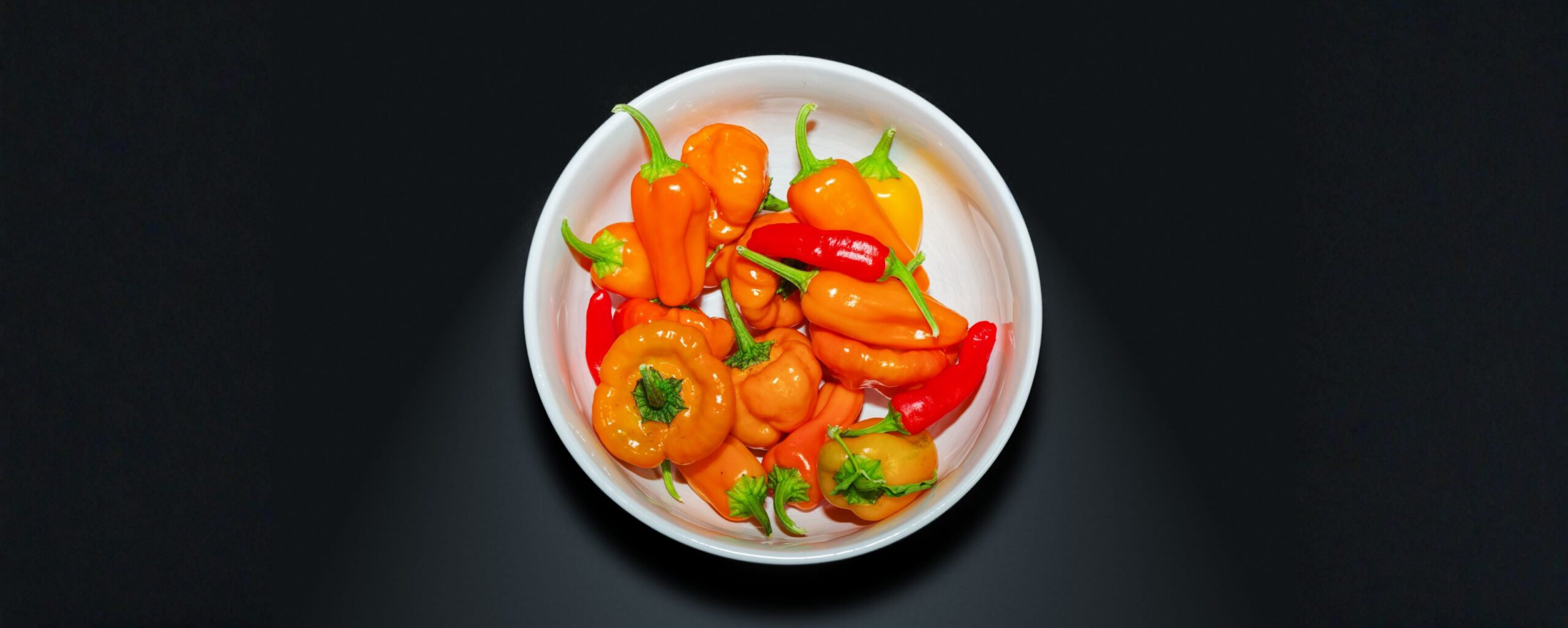
When 95.3% of menus already offer a spicy item, “spicy” isn’t much of a differentiator anymore. The more interesting work is happening one level down: Aji Amarillo instead of generic chile. Calabrian instead of “red pepper.” Sansho when the goal is tingle, citrus and buzz—not a capsaicin punch to the tonsils.
The next phase of heat is less about pain tolerance and more about flavor architecture. Pepper choice is becoming part of the concept, not just the burn setting.
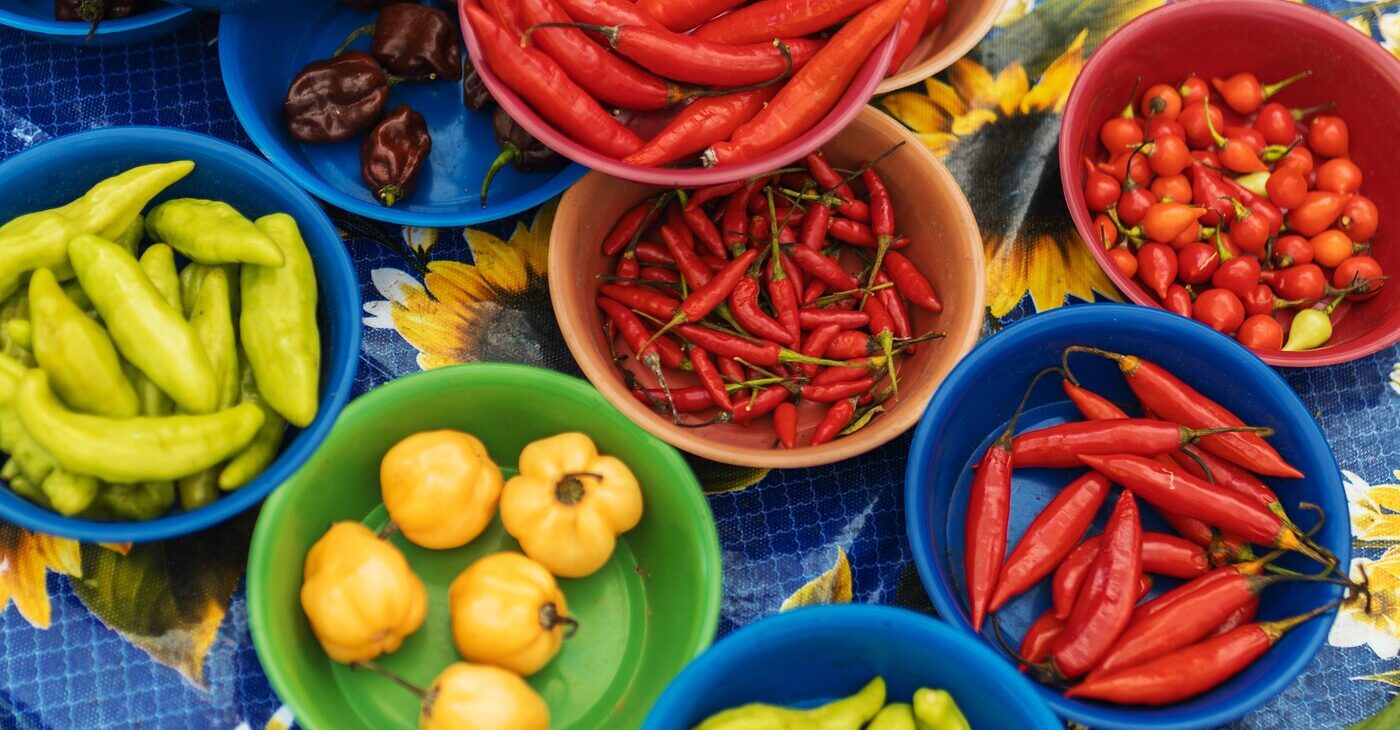
Pepper names are finally doing some work
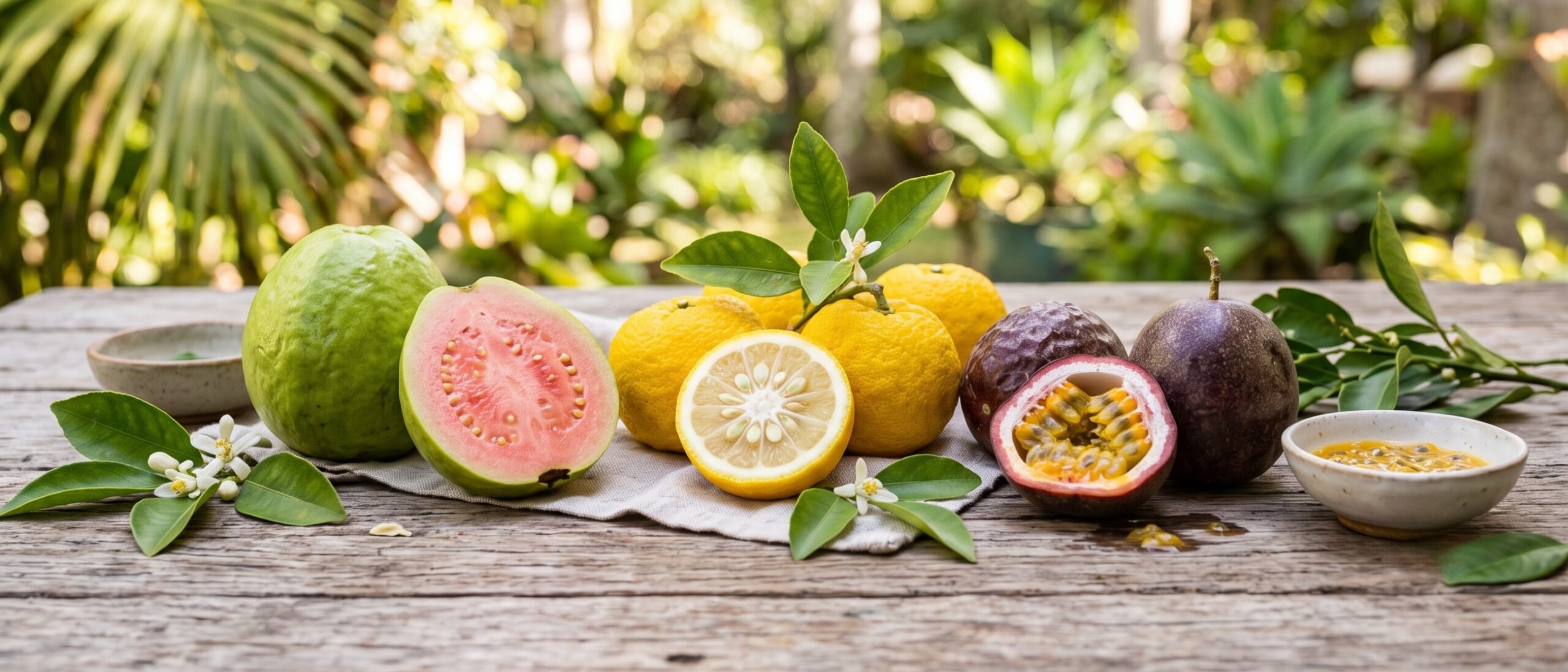
The clearest signal is specificity. Current 2026 flavor forecasts call out regional pepper varietals as part of a broader move toward more experiential, layered eating. Fruit-forward heat is also getting more precise, with mango, guava, pineapple and yuzu paired with jalapeño, habanero and chipotle rather than a vague “spicy fruit” profile.
And individual varietals are getting their own spotlight. Aji Amarillo—fruity, tropical and moderately hot—was named a 2025 Flavor of the Year, with 59% menu growth projected over the following four years. Calabrian chile, with fruity and smoky character, had already grown 27% on U.S. menus over four years. Sweety Drop peppers have been flagged for their sweet-tangy profile, while Sansho is being watched for citrus character plus its distinctive numbing tingle.
That range matters. These ingredients aren’t interchangeable heat sources wearing different passports.
Aji Amarillo can bridge naturally into mango, passion fruit, citrus and creamy systems. Calabrian chile makes more sense where roasted tomato, garlic, cheese, char or oil can carry its deeper red-pepper profile. Sweety Drop can bring pepper identity without making heat the whole experience.
Sansho is the useful troublemaker here. It isn’t a Capsicum chile at all. Its signature sensation comes largely from sanshools, compounds that create tingling and buzzing through sensory mechanisms distinct from the classic capsaicin burn. That means “heat” can now include burn, tingle, buzz, warmth and lingering glow. Much better toolbox.
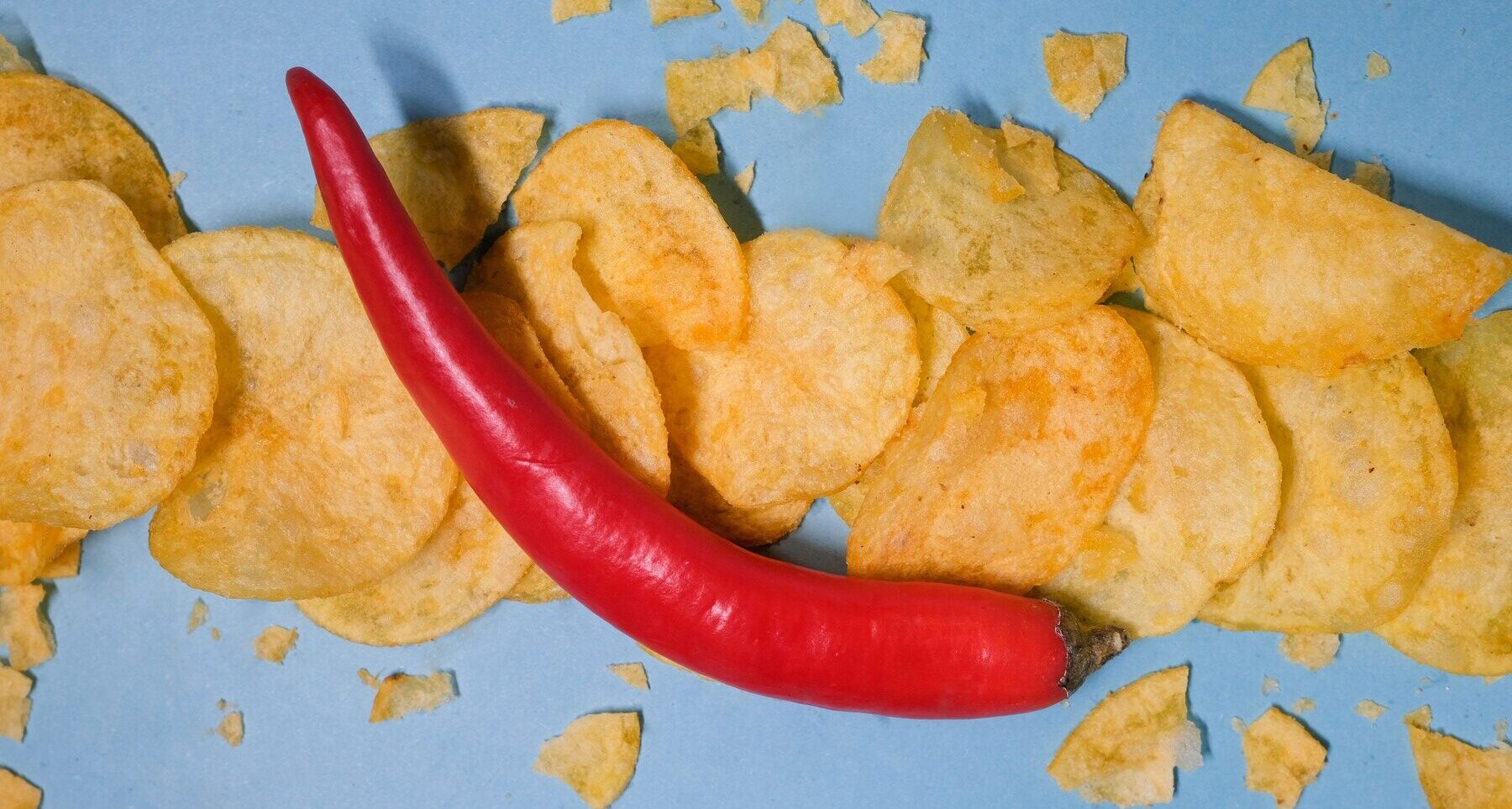
Build the heat curve, not just the heat level
Here’s where R&D gets involved.
Scoville units tell you something about capsaicinoid pungency. They do not tell you how that pungency will behave in your finished product.
Research on capsaicin shows that perceived pungency changes with matrix composition. Starch, fat, sugar and overall matrix complexity can alter maximum intensity and timing; in some model systems, more fat reduced perceived burn, while results in other food matrices differed. Dry snacks can also build pungency differently over time than wet systems such as salsa.
Translation: setting heat in a water bench and carrying the same dosage into a cheese sauce, gummy, chip seasoning and sparkling drink is a great way to create four different surprises.
For a layered profile, give each part of the system a job. Let fruit or citrus own the first aromatic hit. Let a pepper varietal carry the mid-palate character. Then decide what the finish should do: fade cleanly, leave a smoky warmth, or keep a controlled tingle hanging around.
Where layered heat gets interesting
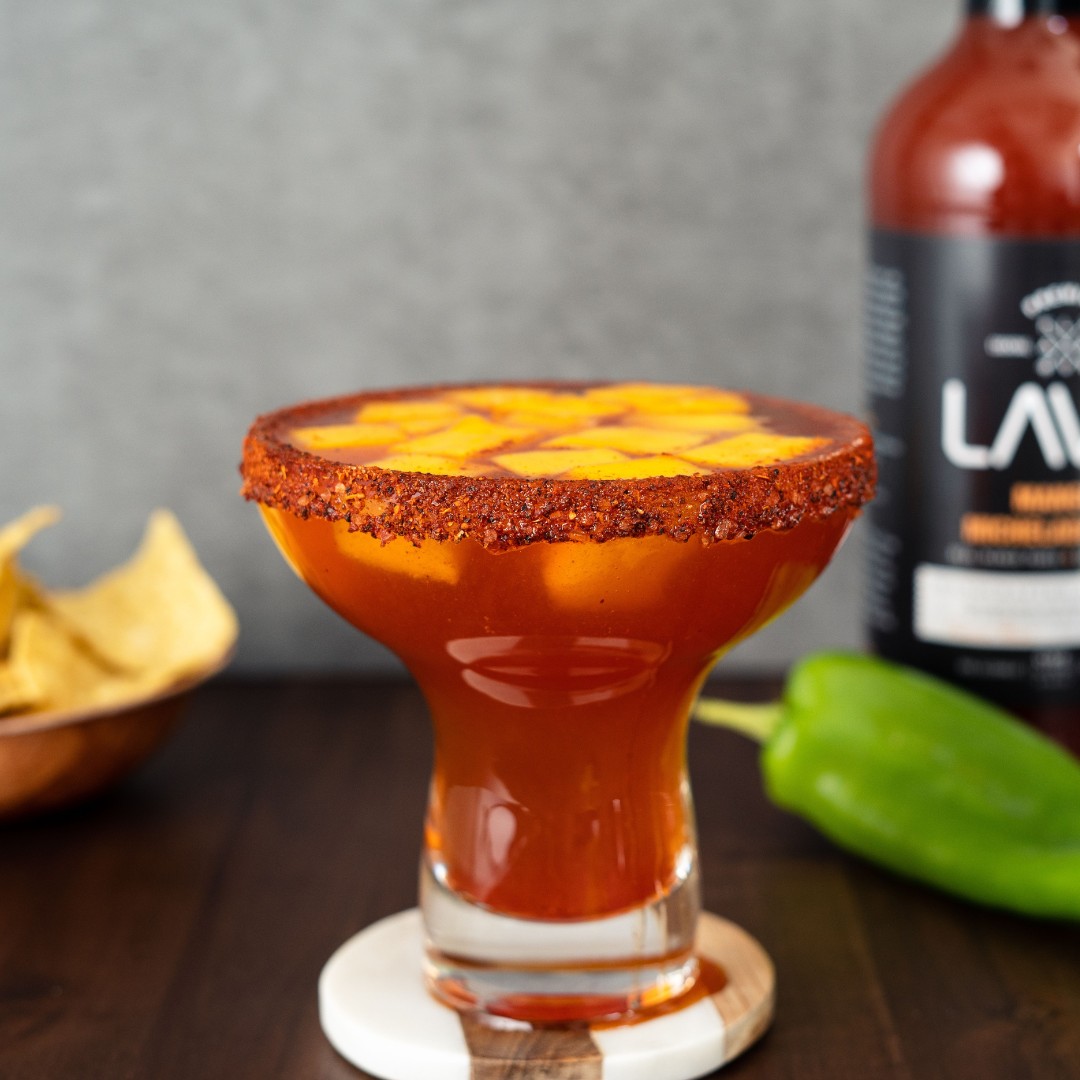
Beverage: Aji Amarillo–Mango Lime Refresher
Mango gives the pepper’s tropical side somewhere to go; lime keeps the profile bright. Keep the heat later than the fruit so the first read is refreshment, not hot sauce in a can.
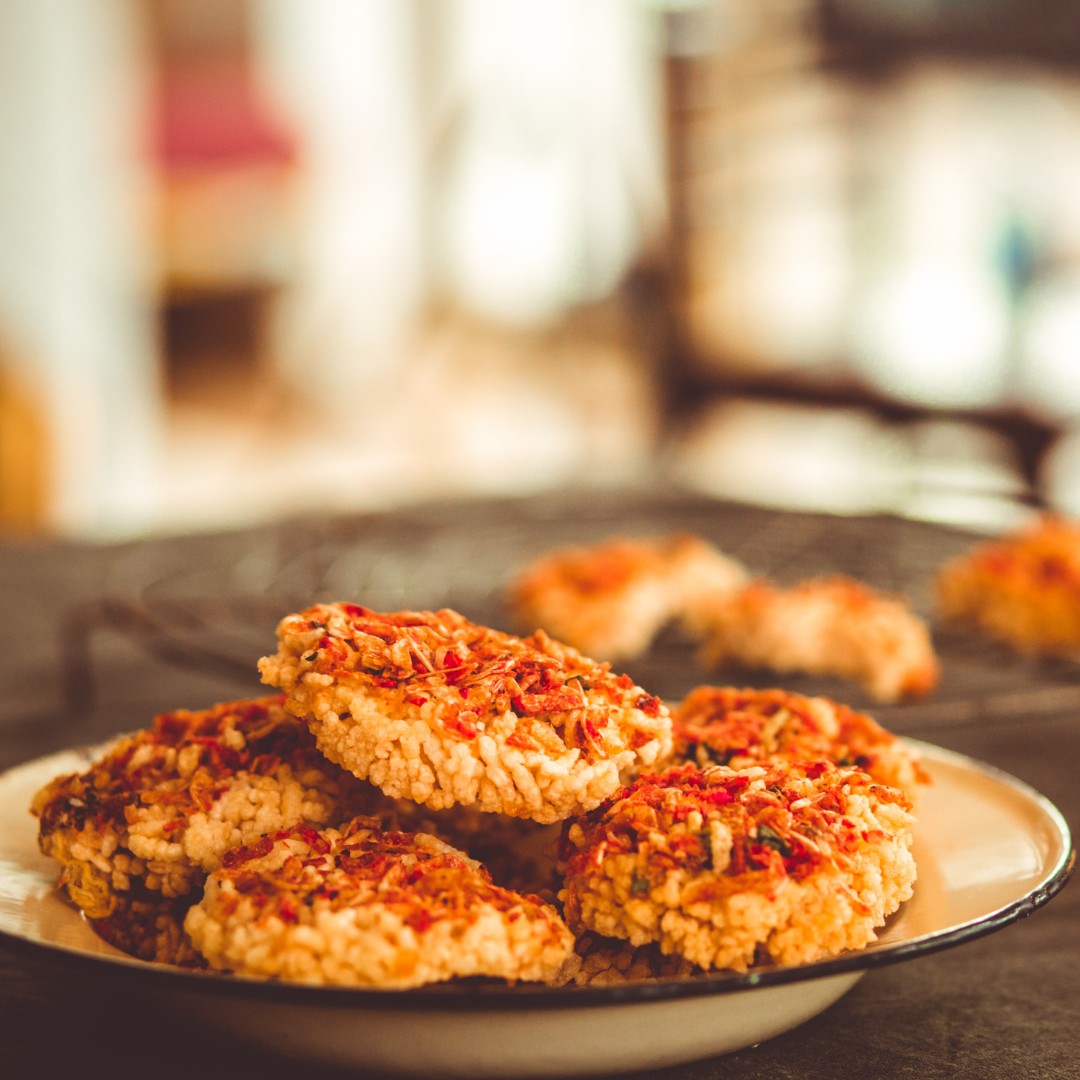
Snack: Calabrian Chile–Parmesan Crisp
Red-pepper fruitiness, garlic, aged cheese and a smoky finish. The risk is obvious: too much dry heat can keep climbing after the flavor has already left. Run time-intensity, not just first-bite scoring.
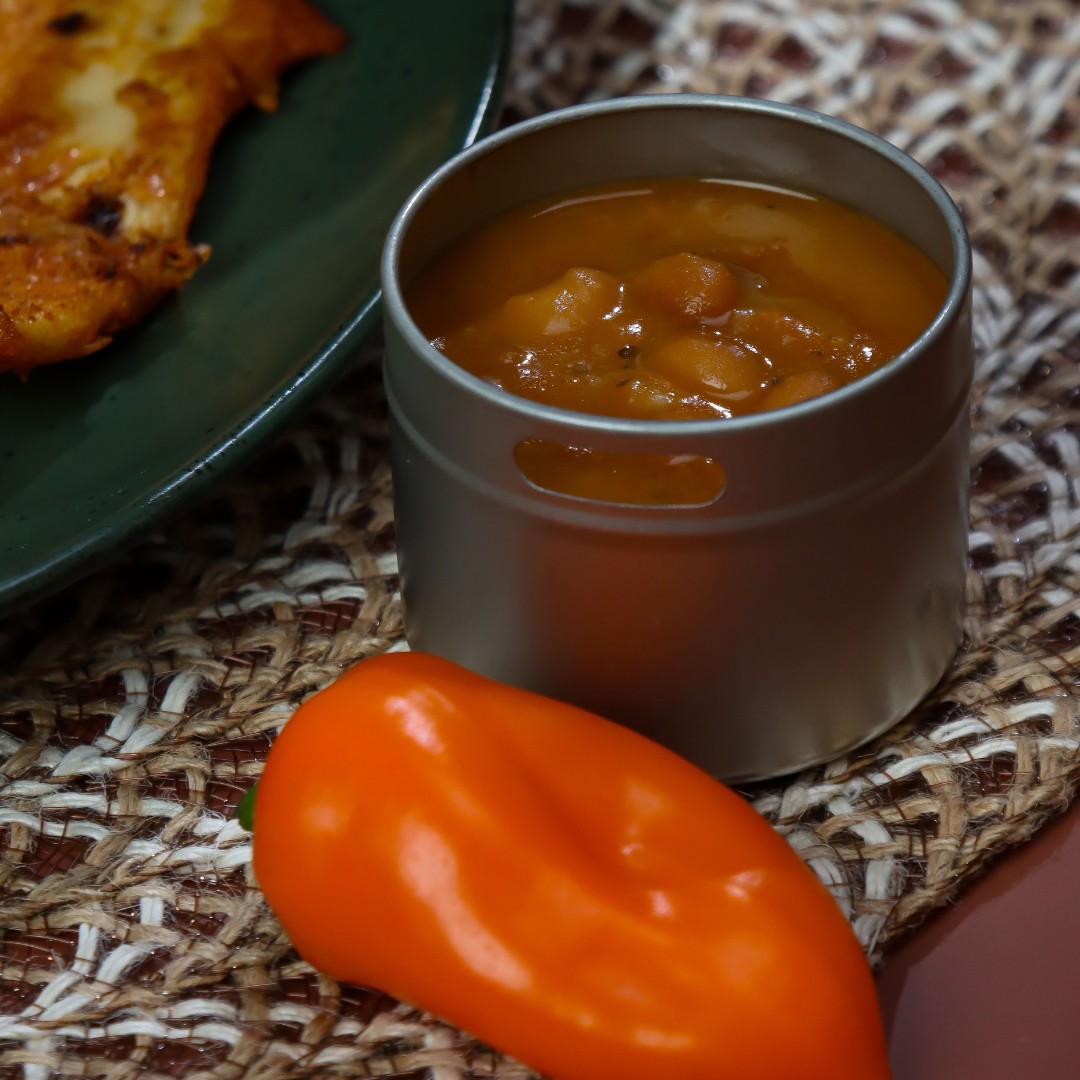
Sauce: Pineapple–Habanero Charred Glaze
Sweet fruit first, roasted pineapple through the middle, habanero on the back end. Habanero already brings fruity character, so the pairing can feel integrated instead of “fruit + random heat.”
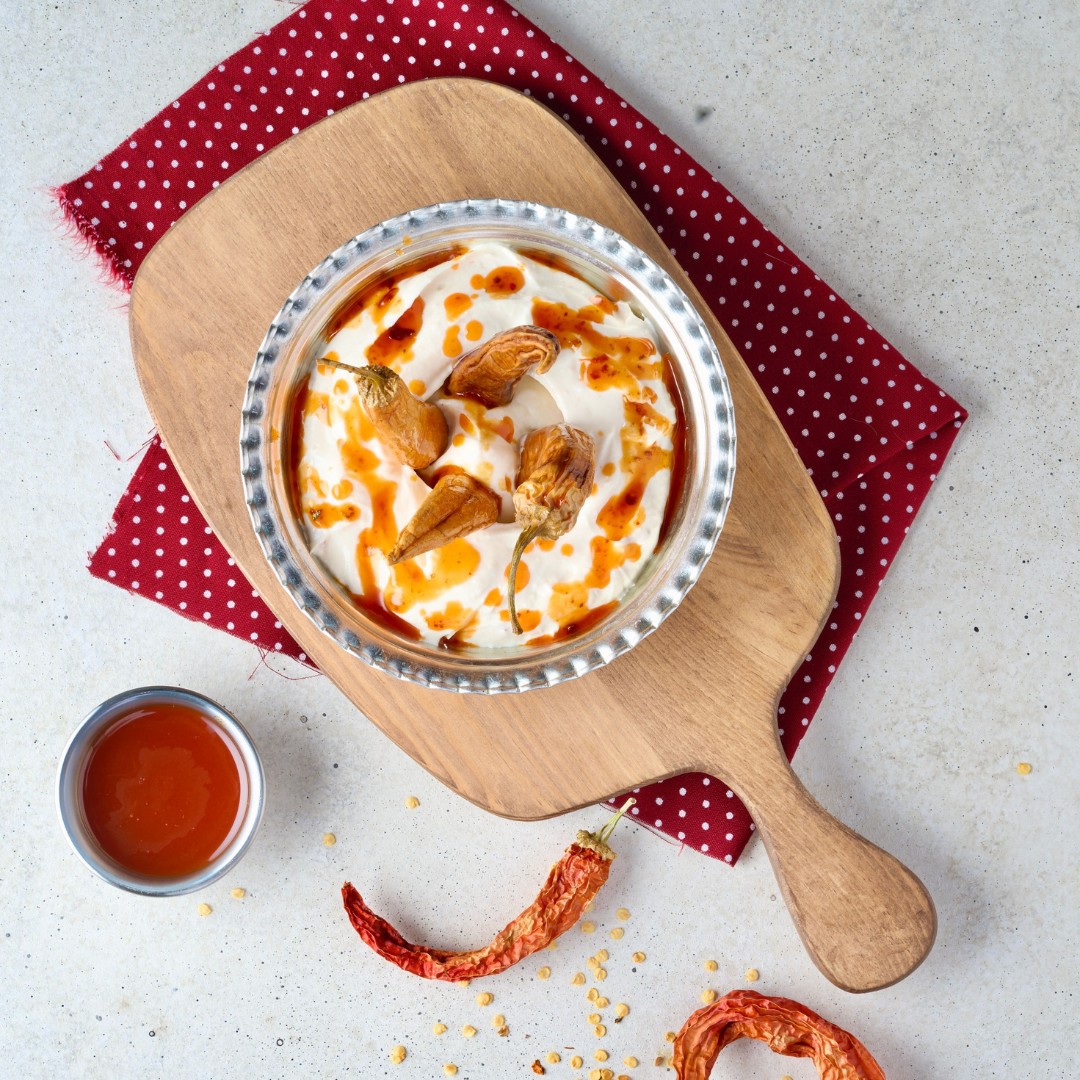
Dairy: Hot Honey–Hatch Chile Cream Cheese Spread
A familiar sweet-heat bridge, but the chile should contribute roasted green character—not disappear into generic burn. Fat can change pungency perception, so heat level needs to be set in the actual finished base.
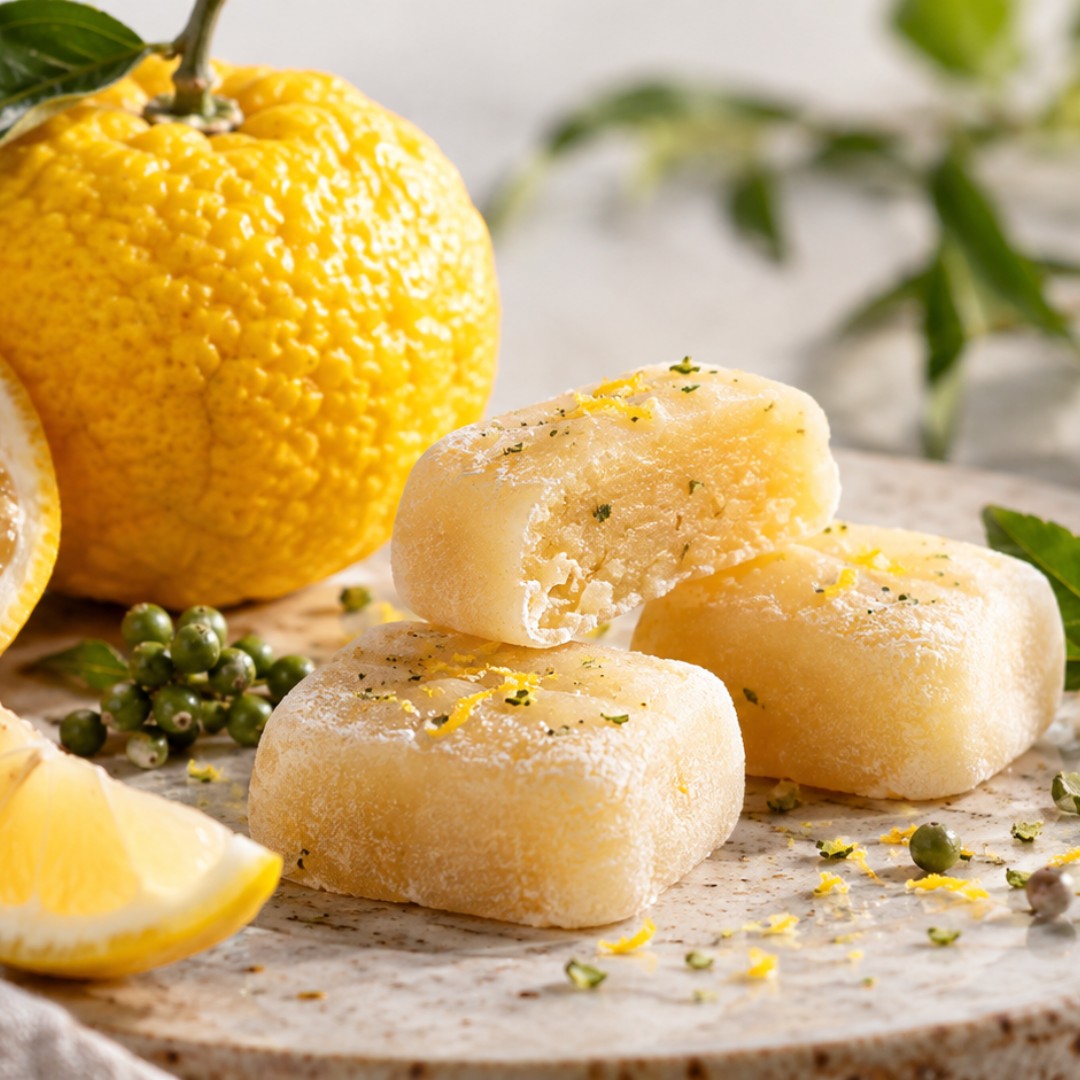
Confectionery: Yuzu–Sansho Chew
Citrus aroma followed by a bright tingle gives a completely different sensory arc from chili candy. Sanshool compounds can also be oxidation-sensitive, so shelf-life deserves real attention if the goal is a recognizable, persistent tingle.
The failure mode: all burn, no biography
The easiest way to miss this trend is to put “Aji Amarillo” on the brief, then formulate a generic capsaicin spike with a tropical top note.
Consumers may not know every pepper varietal yet. Their mouths can still tell when the story doesn’t add up.
Start with the pepper’s actual sensory job. Is it fruity? Roasted? Smoky? Green? Citrusy? Tingling? Then build sweetness, acid, savory depth and aroma around that character. Heat intensity comes after.
Because the next wave of spicy products won’t win by shouting louder. They’ll win by having something to say.
Insights & Trends
Beyond Pumpkin Spice: Building Occasion Flavors
October 14, 2026
Premium, Complex… or Medicinal?
September 28, 2026
The Scoville Scale Is Losing the Plot
September 14, 2026

Why the Second Sip Gives Your Sweetener Away
August 28, 2026
When “Naturally Sweet” Gets Complicated
August 11, 2026
The “Protein Problem”
July 29, 2026
Lemon-Lime Lost Its Monopoly
July 14, 2026

Coffee’s Next Frontier
June 22, 2026
Maximalism, Refined: Why Bigger Flavor Is Getting Smarter
June 12, 2026
Spice Without Pain
May 29, 2026
Botanicals Take the Lead
May 14, 2026
Color Talks Before Flavor Does
April 28, 2026
From “Asian-Inspired” to Region-True
April 13, 2026

Strawberry’s Not Moody—Your Formula Is
March 31, 2026
Dessert Déjà Vu, Upgraded
March 12, 2026
Cravings, Rewired: The Science of Shifting Taste
February 26, 2026
Swicy, but Make It Fruit
February 12, 2026

Nostalgia Flavors
January 28, 2026
Stack Attack
January 13, 2026
The Aftertaste Ambush
January 1, 2026
View All Blog Posts