

July 14, 2026
/
The Citrus and Tropical Flavors With Numbers Behind the Noise
For years, citrus had three jobs: brighten the base, cover the vitamins and make the label look refreshing. Lemon-lime handled the paperwork. Orange smiled for the package.
That formula is starting to feel awfully beige.
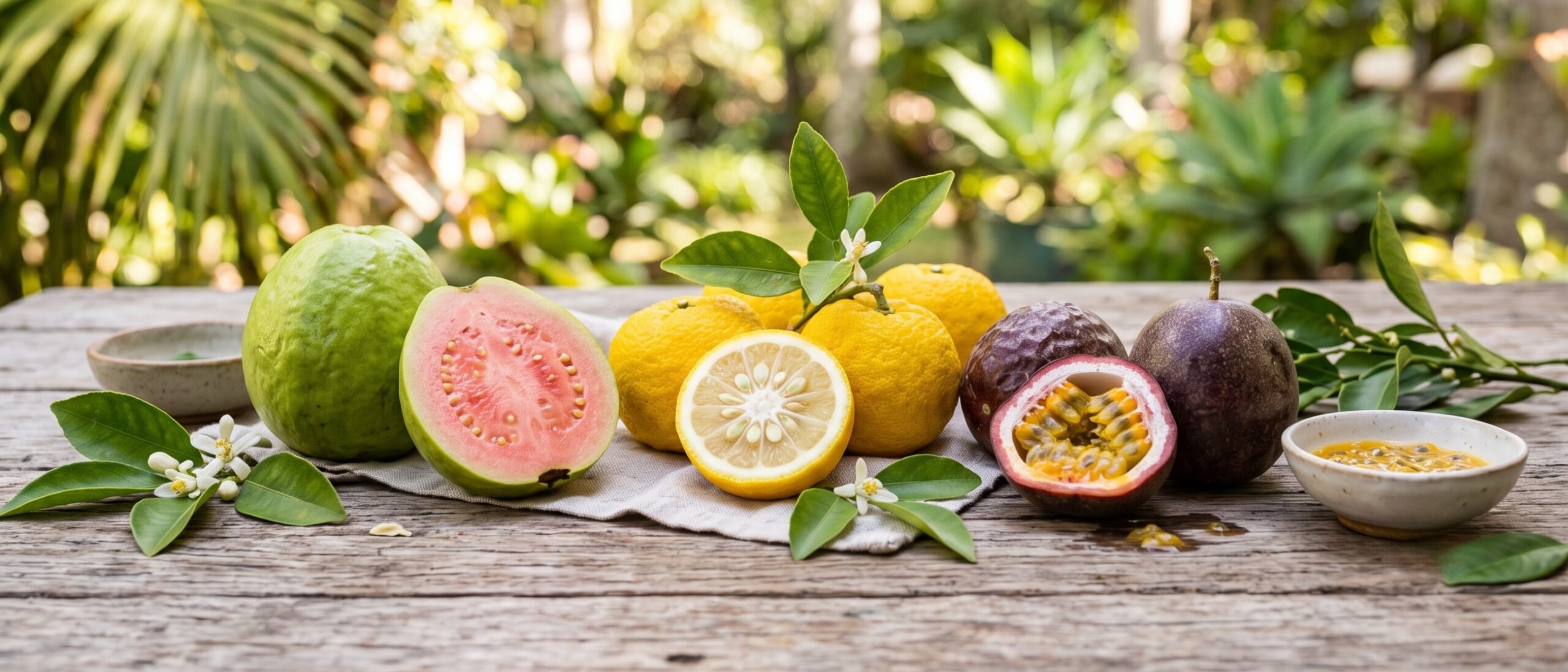
The fruit profiles moving now have names and actual sensory opinions. North American launches mentioning yuzu increased 80% from 2020 to 2024. Calamansi is projected to grow 28% on U.S. menus and 72% on Canadian menus from 2024 to 2028. Guava is projected to grow 31% on U.S. menus from 2025 to 2029. In a proprietary November 2025 study, 83% of surveyed consumers expressed interest in passion fruit for sweet products.
Those aren’t four versions of “tropical.” They’re four different formulation briefs.
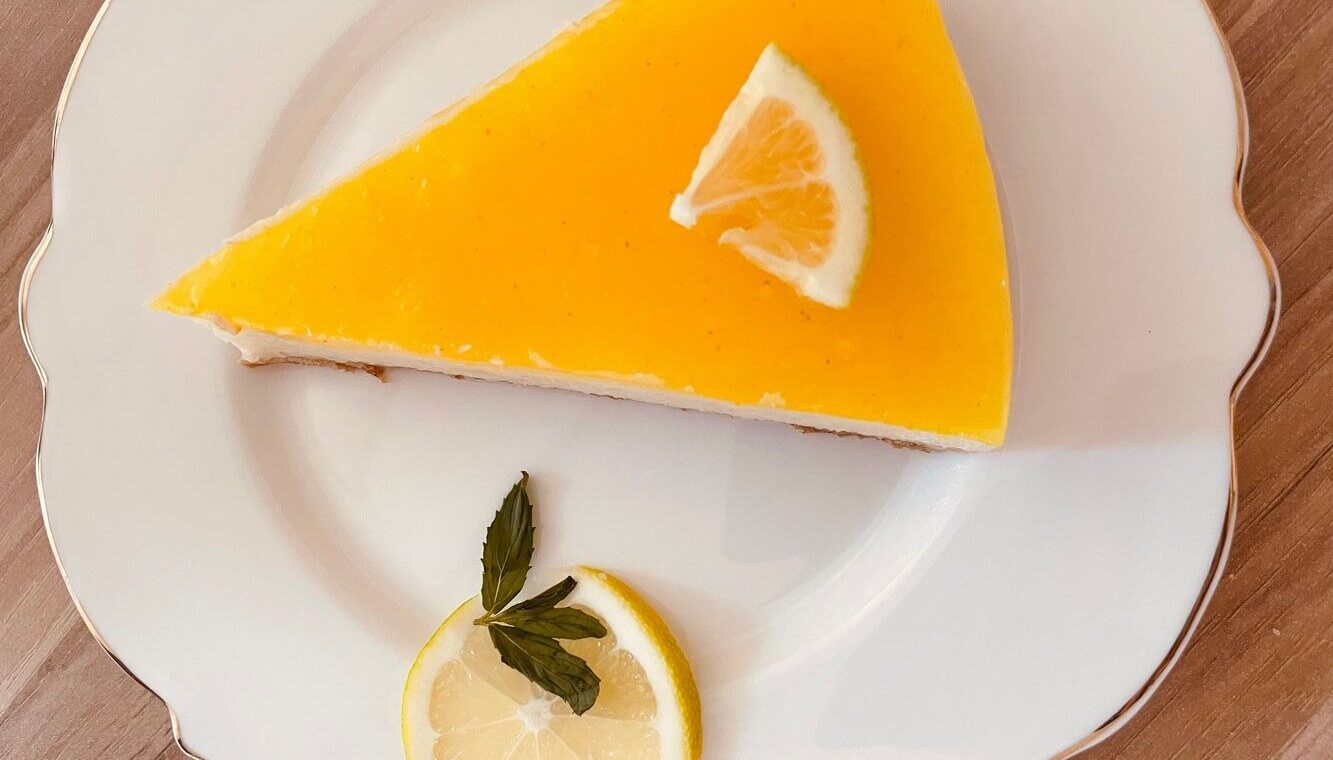
Yuzu Has Numbers Behind the Hype
Yuzu has crossed the awkward stage where everyone calls it “the next big thing” while treating it like lemon with a better résumé.
Yuzu is projected to grow by:
0%
on U.S. menus
AND
0%
on Canadian menus
Average monthly U.S. searches for “yuzu juice” also rose 43% from 2023 to 2024.
It fits sparkling water, hydration, tea, gummies and frozen treats. The trap: a thin yuzu profile goes perfumey. Too much pith and the finish turns punishing. Give it a juicy center—mandarin, pear, white peach or passion fruit—before turning up the top line.
Yuzu should smell expensive. It should not taste like expensive furniture polish.
Calamansi Is Moving Fast
Average monthly “calamansi juice” searches increased by
0%
In the U.S.
AND
0%
In Canada
from 2023 to 2024, alongside its projected menu growth.
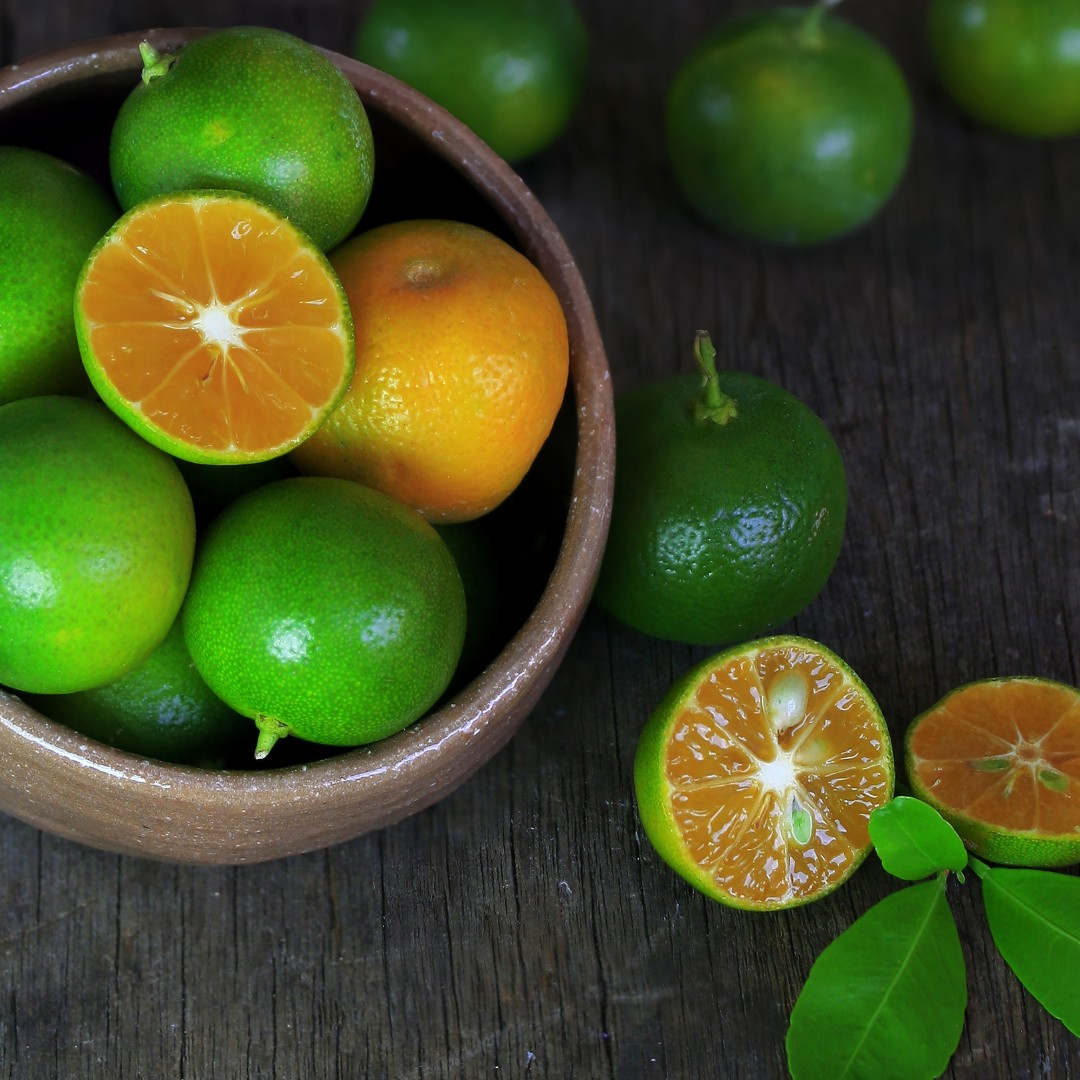
Calamansi offers something lemon-lime can’t quite fake: lime-like acidity, mandarin juiciness and a lightly floral finish. It fits hydration drinks, lemonades, sour confections, frozen treats and sauces.
But it needs roundness. Push only the green and acidic notes, and “refreshing” becomes “multipurpose cleaner” with remarkable speed. Pairing it with guava works because calamansi creates the snap while guava keeps the middle from disappearing.
Guava Finally Gets an Actual Job
Guava is projected to grow
0%
on U.S. menus
AND
0%
on Canadian menus
From 2025 to 2029
Average monthly “guava fruit” searches also increased 19% in the U.S. and 16% in Canada from 2023 to 2024.
Those figures track guava broadly, not pink guava separately.
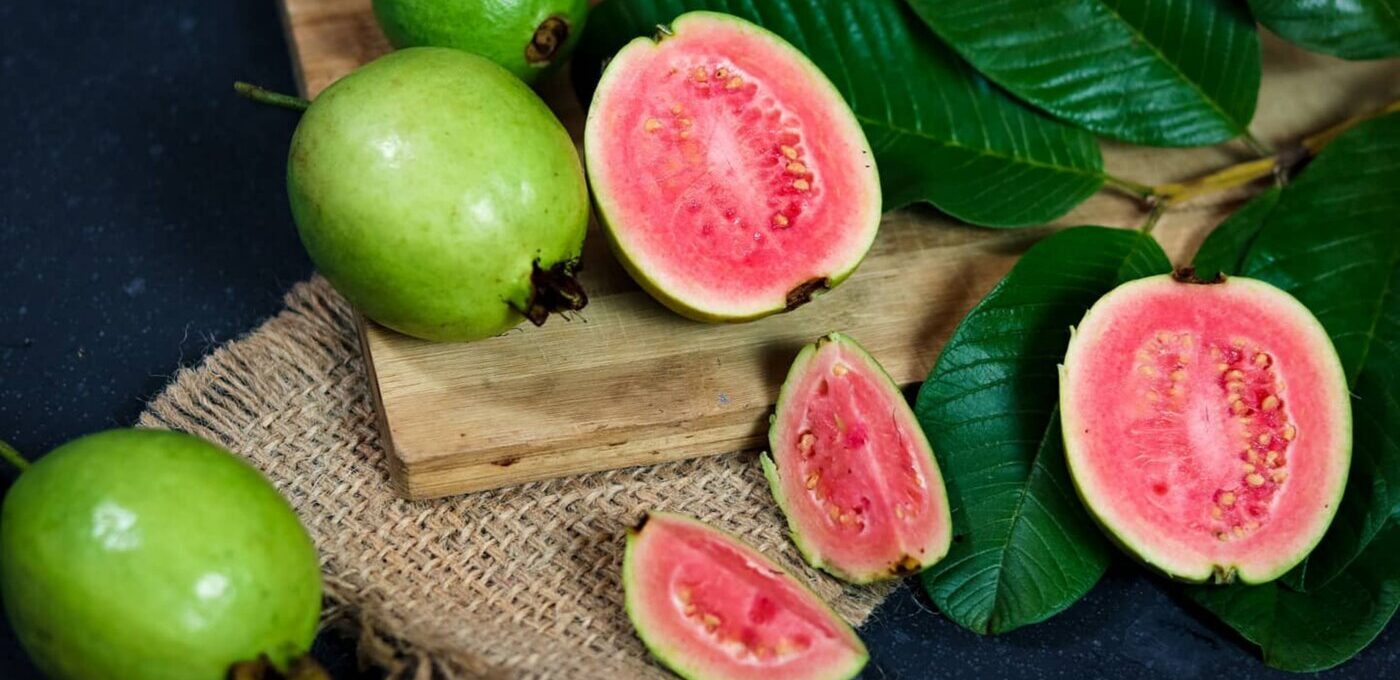
Guava supplies what many tropical blends lack: an actual middle. It’s pulpy, floral and slightly musky—enough body to connect bright citrus to a sweet finish. Too ripe and it turns heavy. Too light and it becomes “something pink.”
Pair it with calamansi for tension, orange for familiarity or passion fruit for a sharper edge.
Passion Fruit Is the Sour-Tropical Workhorse
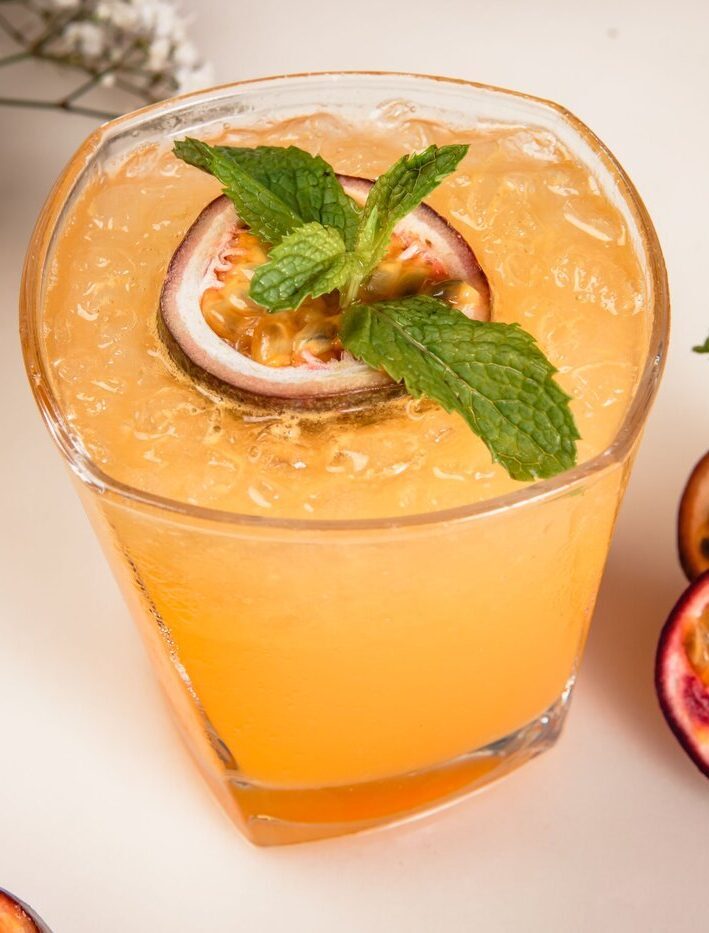
Passion fruit supplies aroma, acidity and recognizability at the same time. Beyond the proprietary 2025 study, earlier U.S. data found interest among:
0%
of dessert and candy consumers
AND
0%
of alcohol consumers
It’s also central to POG—passion fruit, orange and guava—which ranked No. 2 in IFF’s 2025 Tastepoint flavor forecast.
POG works because the fruits divide the labor. Orange brings familiarity. Guava builds the middle. Passion fruit supplies the tart aromatic line that keeps the blend from tasting like breakfast juice.
The failure mode is ester pileup. When all three fruits shout from the top, POG turns into anonymous punch. Decide which fruit leads, which supplies body and which tightens the exit.
Sour Needs a Plot
In a 2024 global study,
0%
of consumers globally
AND
0%
in the U.S.
said they had come to prefer less-sweet products.
That creates room for bitter peel and sharper acids. It also removes sweetness that normally fills gaps in fruit body.
That’s why acid can’t be treated as a volume knob.
In testing of equimolar aqueous solutions, citric acid produced the most sourness and puckering overall, while lactic acid produced the least. The takeaway isn’t “use citric.” It’s that acids do different sensory jobs before sweeteners, buffers and the matrix start interfering.
Texture can rewrite the result, too. In HPMC-thickened model fluids, increasing shear viscosity generally suppressed dynamic sour perception. That doesn’t mean every gummy or smoothie will behave identically, but it’s a good reason to revalidate acid intensity whenever texture changes.
The acid should explain the fruit. Yuzu wants a bright exit. Passion fruit can carry a longer tart middle. Tamarind wants darker, rounder sourness.
Sourness without fruit logic is just punishment.
What Belongs on the Bench Now
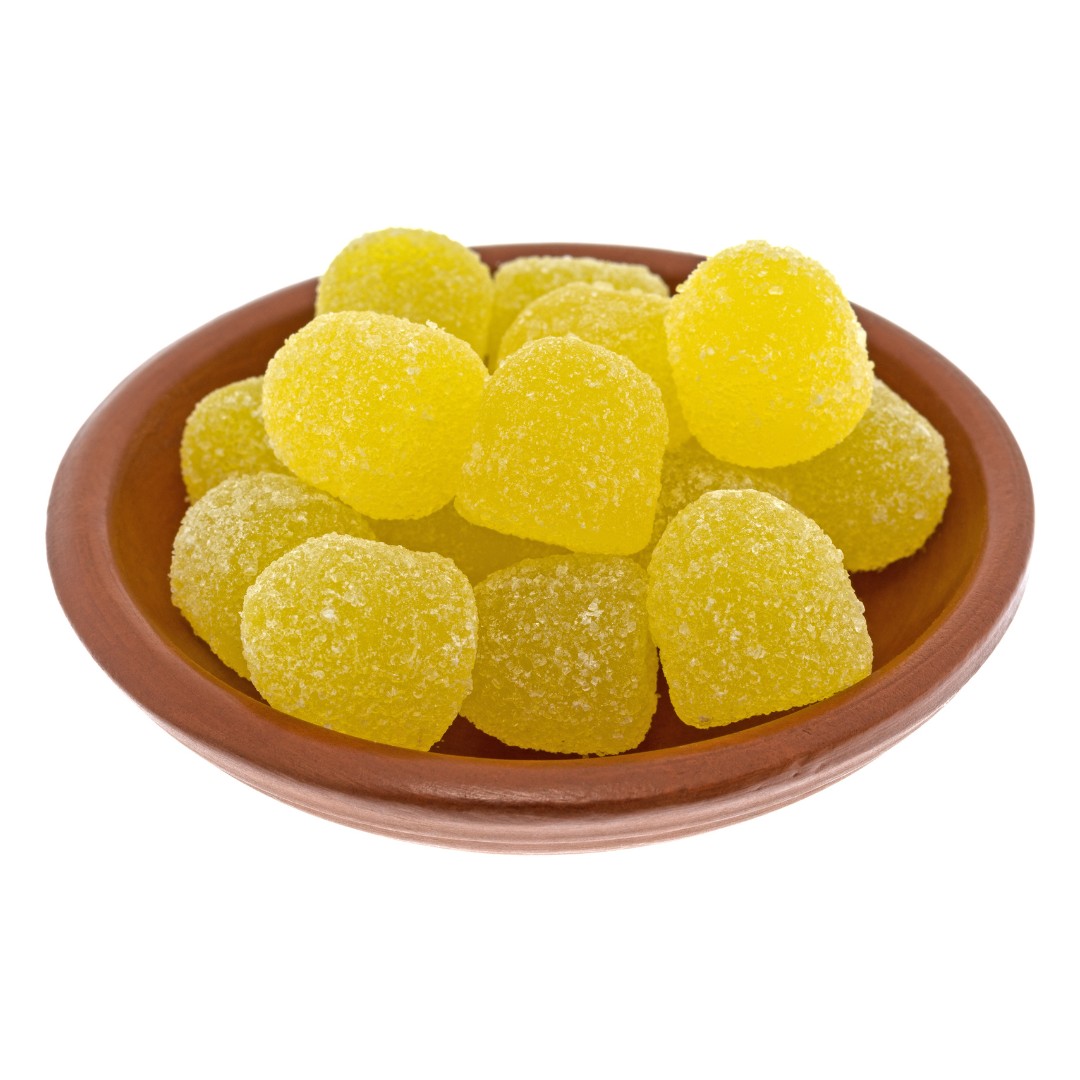
Yuzu–Passion Fruit Sour Gummy
Yuzu hits early; passion fruit carries through the chew. Build the surface acid and internal flavor together.
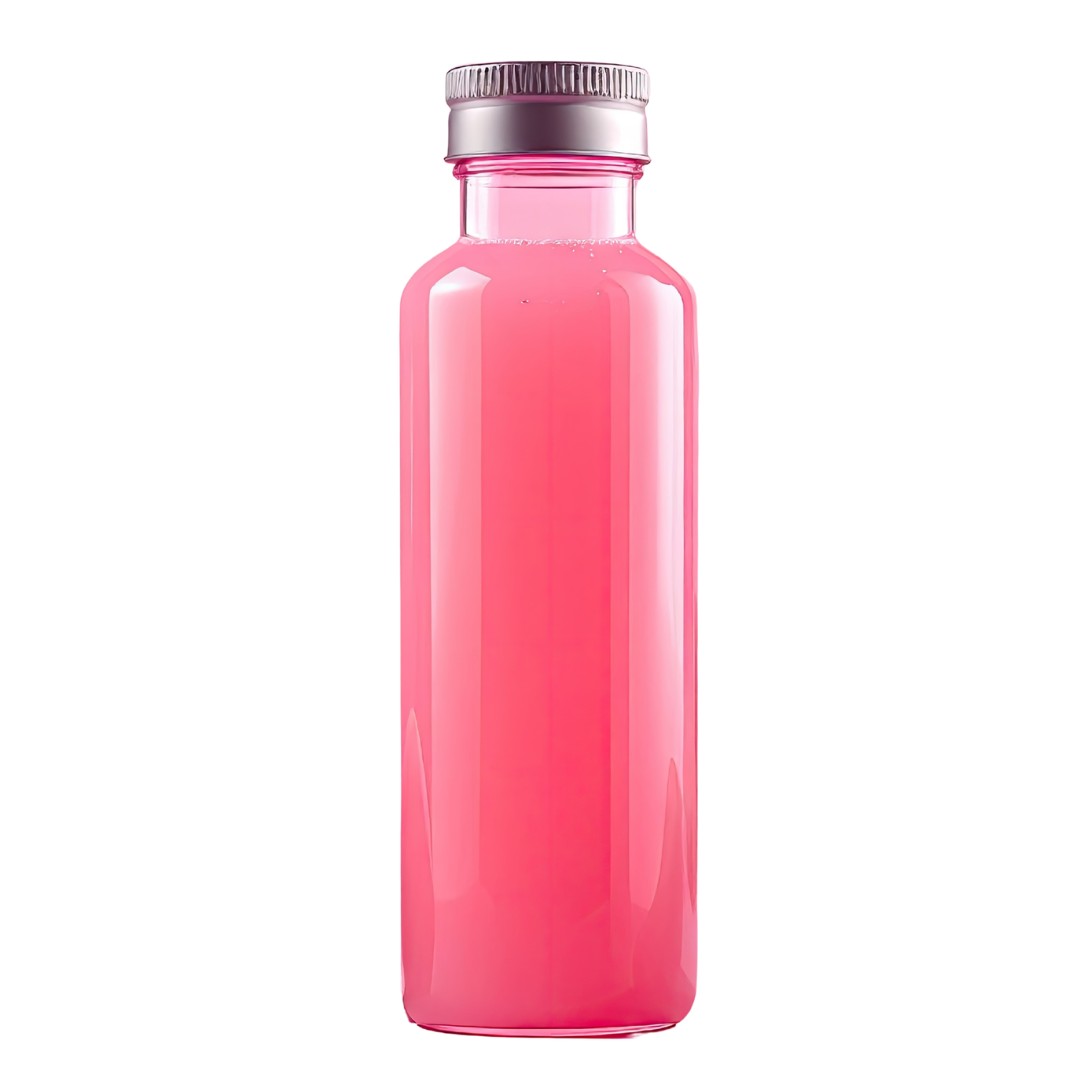
Calamansi–Guava Hydration Drink
Calamansi supplies the green citrus snap. Guava restores body that minerals, low sugar and lingering sweeteners may strip away.
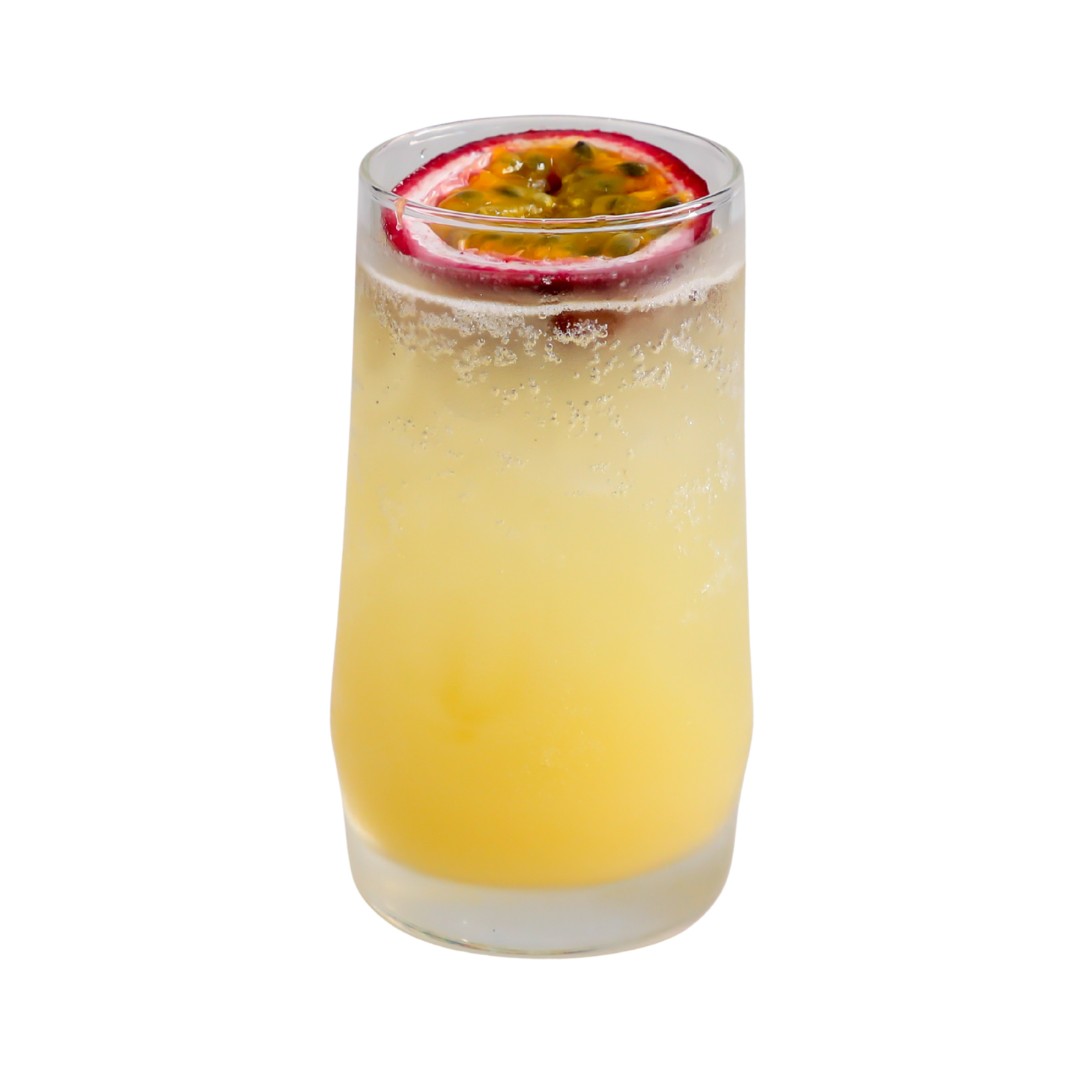
POG Sparkling Refresher
Let orange lead, guava build the middle and passion fruit tighten the finish. Carbonation will amplify the top, so don’t let all three arrive at once.
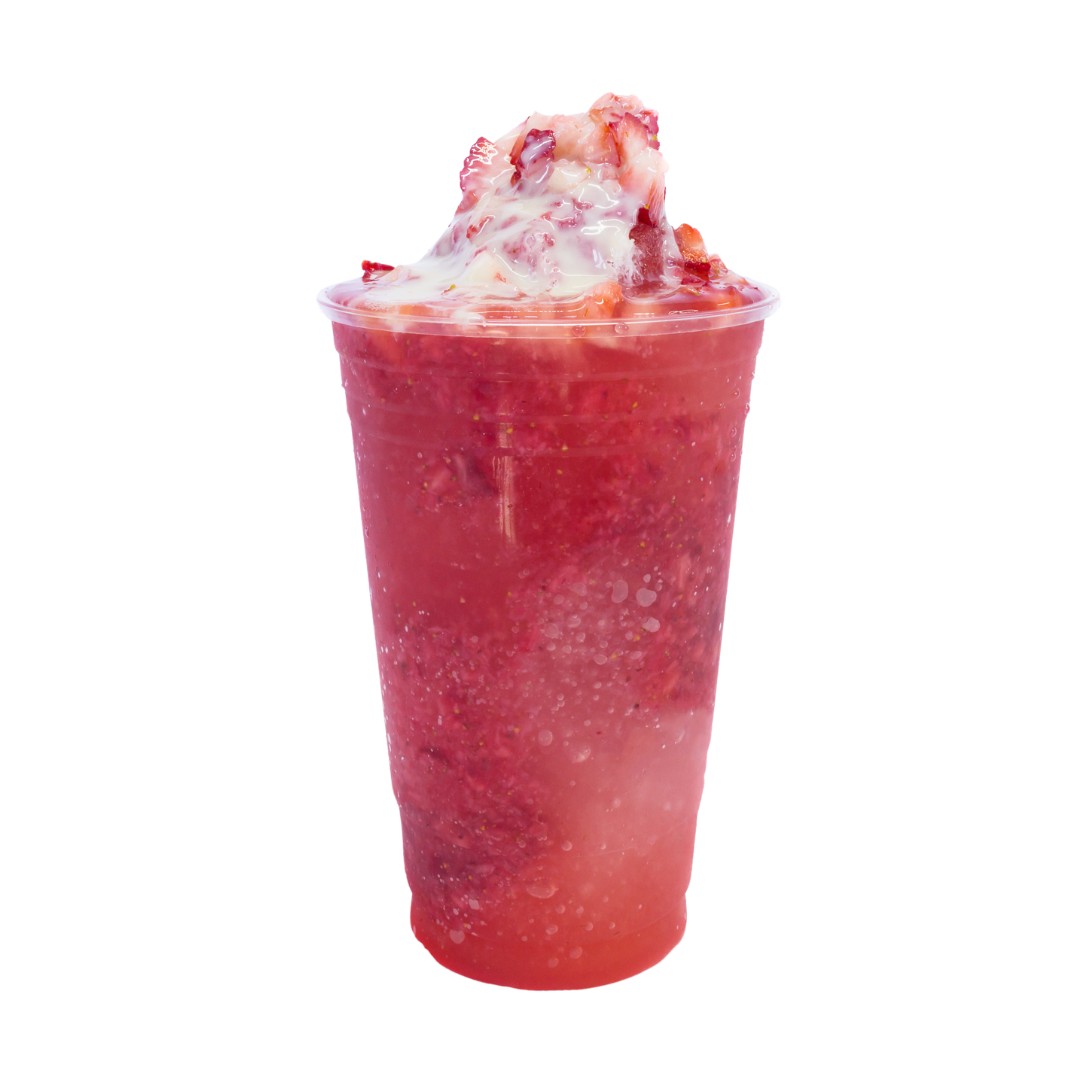
Guava–Tamarind Frozen
Guava keeps tamarind approachable; tamarind prevents guava from becoming syrupy. Approve it frozen. Warm bench samples are notorious liars.
The Takeaway
This trend isn’t about making fruit louder. It’s about making fruit identifiable.
The brief isn’t “something tropical” anymore. It’s yuzu with enough body to survive the shelf. Calamansi that stays juicy instead of going thin and green. Guava with an actual middle. POG where all three fruits show up for work.
Because when the label says calamansi and the consumer tastes lemon-lime with ambitions, the formula lost the plot.
Insights & Trends

Why the Second Sip Gives Your Sweetener Away
August 28, 2026
When “Naturally Sweet” Gets Complicated
August 11, 2026
The “Protein Problem”
July 29, 2026
Lemon-Lime Lost Its Monopoly
July 14, 2026

Coffee’s Next Frontier
June 22, 2026
Maximalism, Refined: Why Bigger Flavor Is Getting Smarter
June 12, 2026
Spice Without Pain
May 29, 2026
Botanicals Take the Lead
May 14, 2026
Color Talks Before Flavor Does
April 28, 2026
From “Asian-Inspired” to Region-True
April 13, 2026

Strawberry’s Not Moody—Your Formula Is
March 31, 2026
Dessert Déjà Vu, Upgraded
March 12, 2026
Cravings, Rewired: The Science of Shifting Taste
February 26, 2026
Swicy, but Make It Fruit
February 12, 2026

Nostalgia Flavors
January 28, 2026
Stack Attack
January 13, 2026
The Aftertaste Ambush
January 1, 2026
Function in Disguise
December 12, 2025

When Texture Talks Louder Than Taste
November 28, 2025
Spice. Sprinkle. Savor.
November 12, 2025
View All Blog Posts