

August 11, 2026
/
Building Naturally Sweet, Reduced-Sugar Flavor Systems That Still Taste Finished
Take sugar out of a strawberry yogurt and strawberry doesn’t politely stay where you left it. The fruit can get sharper. The body can thin out. Acid suddenly has opinions. Then the high-intensity sweetener arrives late and hangs around after everyone else has gone home.
That’s the “real fruit, less sugar” brief: beautifully simple on the front of pack, surprisingly complicated in the tank.
Nearly half of global consumers say they’re eating less sugar as a way to eat more healthfully, and launches carrying low-, no- or reduced-sugar claims have been rising, with growth accelerating in the latest year. Meanwhile, 32% of consumers in the U.S. and Canada call “no artificial ingredients” a key clean-label attribute. In yogurt, brands are already pairing real fruit with no-preservative and no-artificial-sweetener positioning.
Pull sugar, and fruit changes shape
Sugar helps set the sensory frame: how ripe fruit tastes, how hard acid hits, how much body the product carries and how long sweetness stays around.
Remove enough of it and ripe strawberry can read green. Peach gets watery. Citrus gets aggressive. Vanilla can help—but push it too hard and now your “real fruit” beverage tastes like birthday-cake protein shake.
The market is already showing the design pattern. Spindrift SODA launched with 20% not-from-concentrate juice, fewer than 8 grams of naturally occurring sugar and no added sugar. GoodBelly’s Prebiotic Sparkling Waters use real fruit juice with zero added sugar. LALA Gold pairs real fruit with zero added sugar in high-protein yogurt, while Little Spoon’s YoGos combine whole-milk Greek yogurt, real fruit and 0 grams added sugar.
Different categories, same assignment: make the product taste generous even when the sugar number isn’t.
Let aroma carry some of the sweetness
Sweet-associated aromas can increase perceived sweetness through cross-modal interaction. In one yogurt study, natural strawberry or vanilla flavor allowed a 25% sugar reduction without compromising consumer acceptance; vanilla produced the stronger sweetness-enhancing effect. A 2024 beverage study found mango aroma could support sugar reductions of up to 32.14% without reducing overall liking in that specific system.
That doesn’t mean “add vanilla, delete sugar.” It means aroma belongs inside the sweetness architecture.
For fruit systems, build ripeness deliberately. Strawberry may need red-fruit body plus fresh lift. Peach may need lactonic roundness so acid doesn’t make it feel underripe. Mango can use ripe tropical aromatics to make the palate expect sweetness before the sweetener finishes its job.
The useful question isn’t “How sweet is this flavor?” It’s “What does this aroma make the brain expect next?”

The sweetener still has a clock
Sucrose is annoyingly good at tasting like sucrose. Alternative sweeteners often have different onset, peak and decay curves—and fruit exposes those gaps fast.
In a study of natural sweeteners in protein beverages, stevia-sweetened samples showed the longest lingering bitter taste, followed by lingering metallic character. Separate work on steviol glycosides found meaningful differences within stevia itself: rebaudiosides D and M showed faster sweetness onset, quicker aftertaste decay and very little bitterness compared with several other glycosides.
So don’t evaluate only sweetness intensity. Track the curve.
If raspberry hits at second one, the sweetener peaks at second four and bitterness is still there at second ten, the formula doesn’t taste naturally sweet. It tastes assembled.
Bench it at first sip, mid-palate, swallow and five seconds after swallow. Fruit, sweetness and acid should feel like they belong to the same timeline.
Real fruit still needs backup
Juice and puree bring recognizable fruit cues, but they also bring acid, solids, color, variability and their own sugar load. More fruit is not automatically more fruit flavor.
A better move can be real fruit for authenticity and body, then flavor to rebuild what processing or sugar reduction knocked out. Strawberry puree can supply pulp and true-fruit character; flavor can restore fresh-picked lift. Apple or white grape juice may add sweetness and roundness, but can blur a delicate berry profile if the supporting flavor architecture isn’t specific enough.
Fibers deserve the same attention. About one in six launches with a sugar-related claim also carries a fiber claim, according to 2026 Innova data. And the interaction isn’t just nutritional: in a 2025 carbonated dairy beverage study, a fructooligosaccharide formulation showed higher viscosity and the strongest consumer preference, with mild lingering sweetness and lemon flavor among the important drivers of liking.
Fiber isn’t just a nutrition line item. It can become part of the sensory system.
Bench concepts worth trying
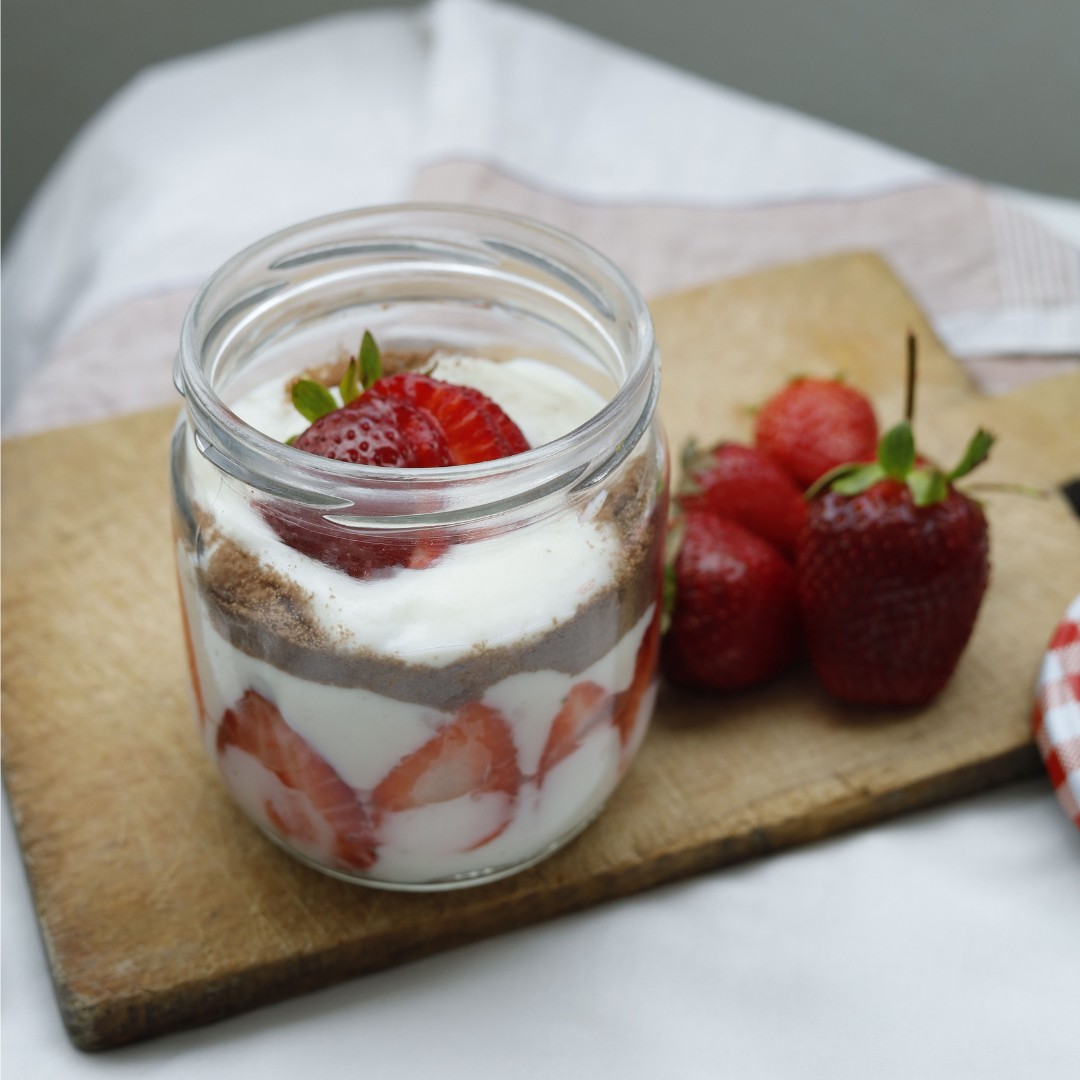
For reduced-sugar strawberry yogurt:
For reduced-sugar strawberry yogurt: real strawberry puree, a ripe berry core and restrained vanilla-like sweetness support. Keep green top notes in check so lactic acidity doesn’t turn them grassy.
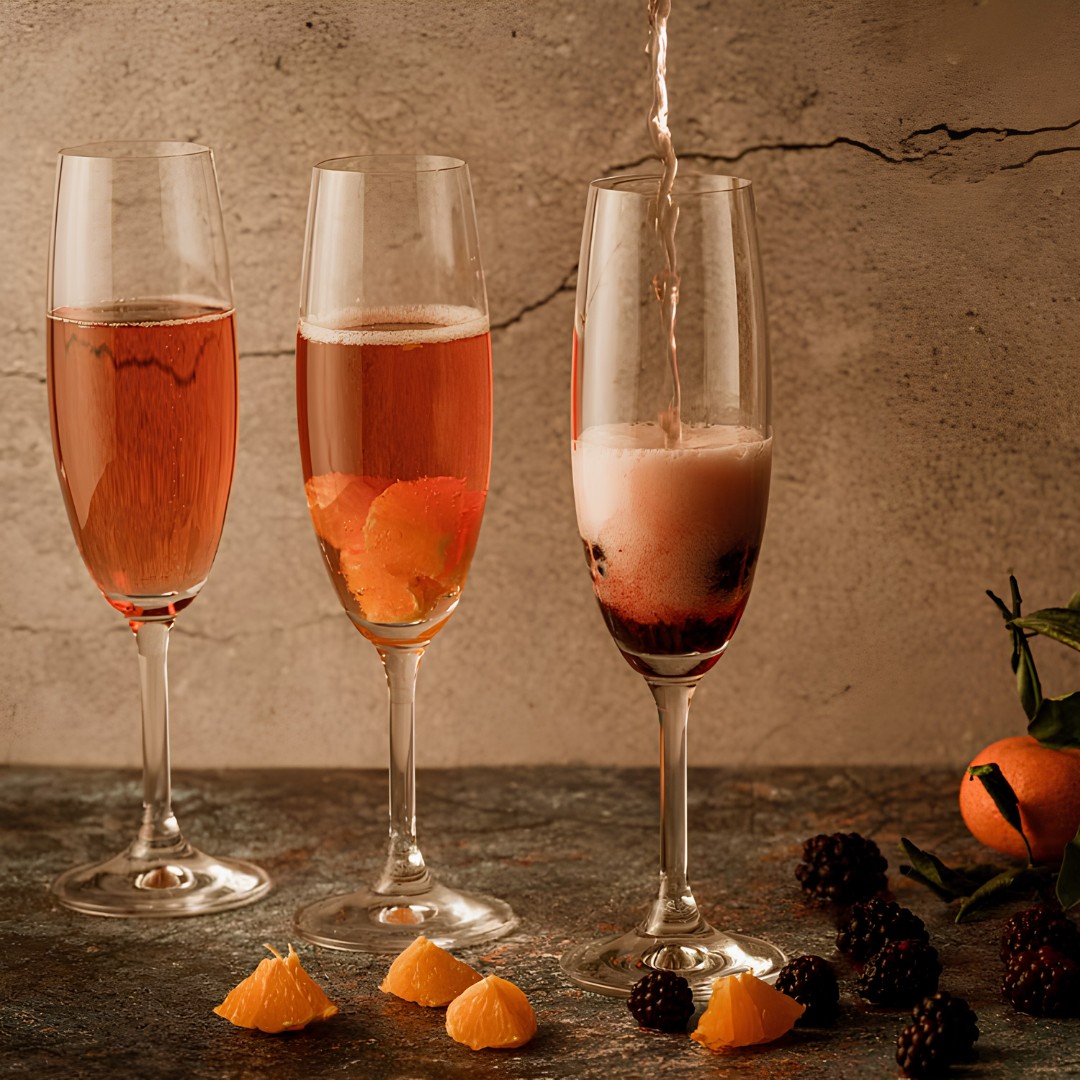
For sparkling drinks:
Concord grape–blackberry, peach–vanilla or pineapple–mango, with ripe-fruit aroma arriving before the sweetener peak. Carbonation already sharpens the experience; the fruit needs enough body to avoid scented-seltzer territory.
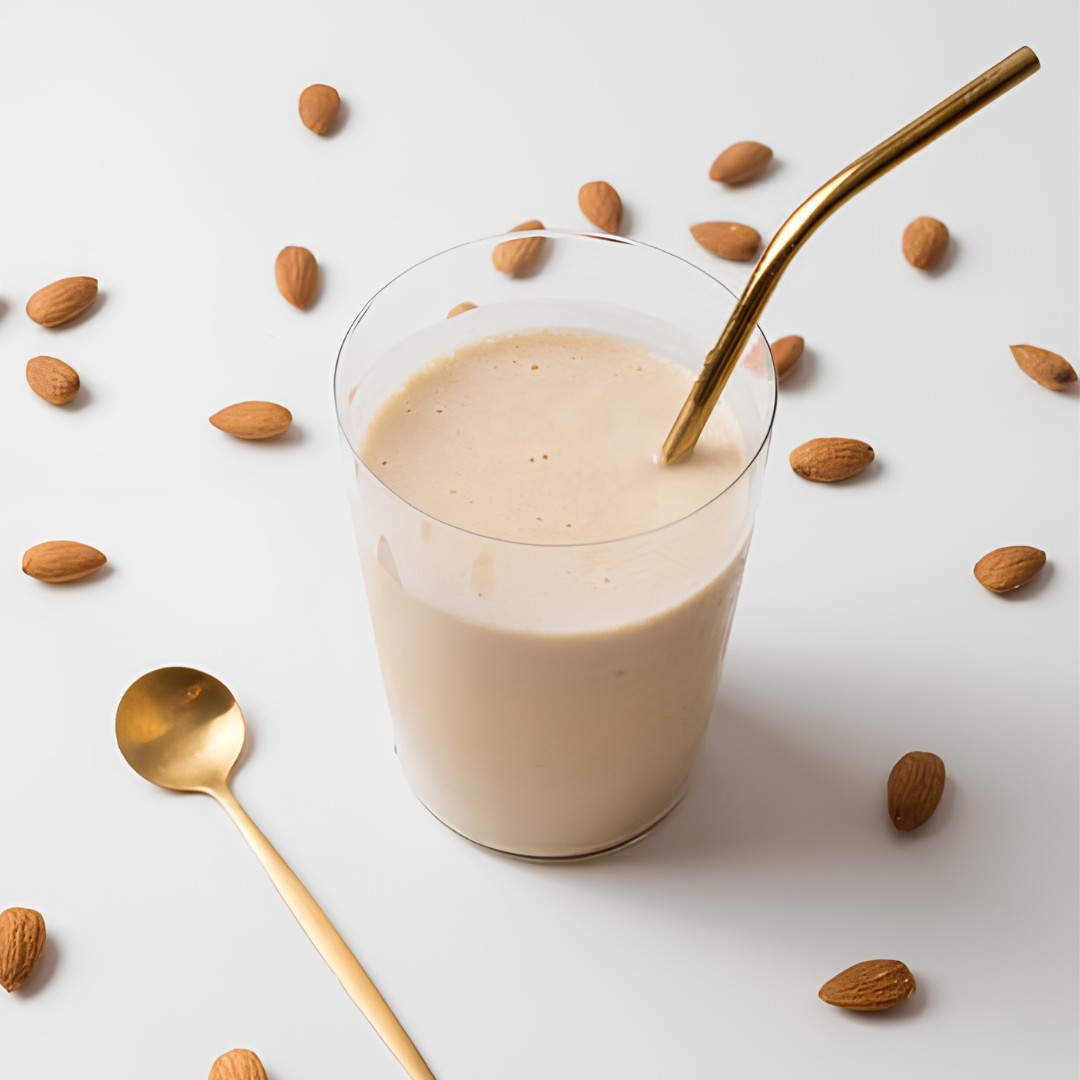
For high-protein shakes:
Blueberry muffin, banana cream or strawberry cheesecake can make creamy, brown and vanilla notes feel concept-right while helping bridge sweetener linger and protein character.
The finish tells you if you solved it
“Real fruit” and “reduced sugar” only work together when sweetness, ripeness, acid, body and aftertaste have been rebuilt as one system.
The winning formulas won’t taste impressively low in sugar. Nobody puts that compliment on the mood board.
They’ll taste like the fruit was supposed to be that sweet all along.
Insights & Trends
When “Naturally Sweet” Gets Complicated
August 11, 2026
The “Protein Problem”
July 29, 2026
Lemon-Lime Lost Its Monopoly
July 14, 2026

Coffee’s Next Frontier
June 22, 2026
Maximalism, Refined: Why Bigger Flavor Is Getting Smarter
June 12, 2026
Spice Without Pain
May 29, 2026
Botanicals Take the Lead
May 14, 2026
Color Talks Before Flavor Does
April 28, 2026
From “Asian-Inspired” to Region-True
April 13, 2026

Strawberry’s Not Moody—Your Formula Is
March 31, 2026
Dessert Déjà Vu, Upgraded
March 12, 2026
Cravings, Rewired: The Science of Shifting Taste
February 26, 2026
Swicy, but Make It Fruit
February 12, 2026

Nostalgia Flavors
January 28, 2026
Stack Attack
January 13, 2026
The Aftertaste Ambush
January 1, 2026
Function in Disguise
December 12, 2025
When Texture Talks Louder Than Taste
November 28, 2025
Spice. Sprinkle. Savor.
November 12, 2025
When Less Is More
October 29, 2025
View All Blog Posts