

September 28, 2026
/
Designing Bitterness on Purpose
Bitterness has a branding problem. In espresso, dark chocolate, tonic, and an aperitivo, it gets called complex. Put the same kind of sharp, lingering signal into a functional drink and suddenly it’s “medicine.”
That gap is where R&D gets interesting. Bitterness isn’t automatically premium, and it isn’t automatically a defect. It’s a designed signal. Whether it reads as sophisticated or punishing depends on what arrives with it, when it peaks, how long it hangs around, and whether the consumer expected it in the first place.
Why bitter is getting more room to play
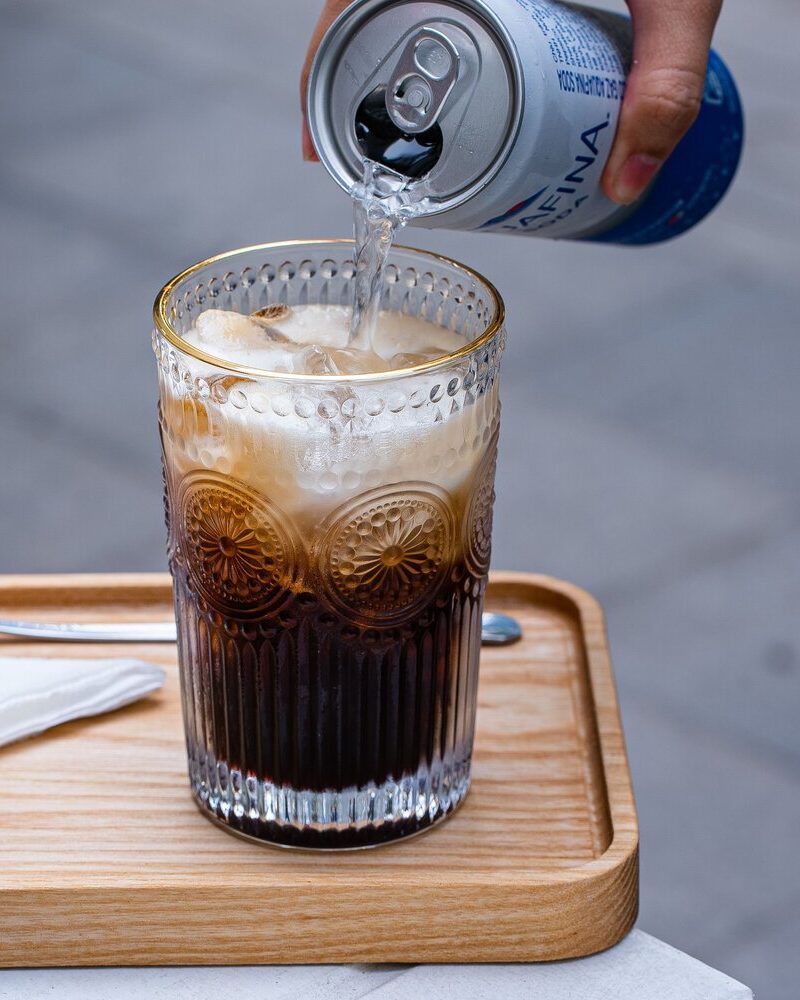
Bitter-coded profiles are showing up in products built to borrow adult drinking cues without necessarily borrowing the alcohol: aperitivo spritzes, Negroni-style RTDs, espresso tonics, botanical zero-proof drinks. Recent launches use bitters, coffee, citrus peel, and herbal complexity as shortcuts to “this is not soda.” Useful territory—but bitterness has a narrow runway. A little creates contrast and length. Too much, too early, or too late, and the consumer doesn’t call it complex. They stop drinking.
The bitter curve matters more than the bitter number
One of the easiest formulation mistakes is treating bitterness as a single intensity score. It has a timeline.
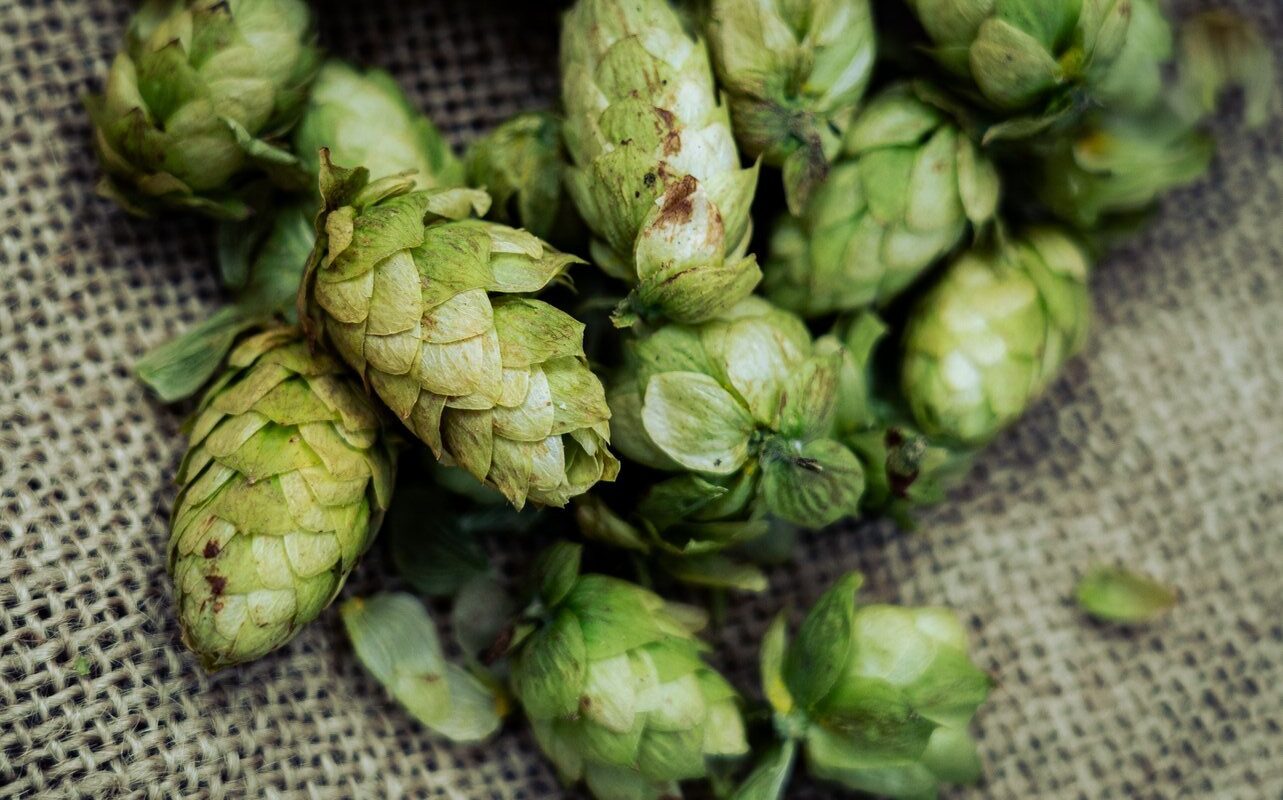
Controlled sensory work with common bitter compounds has shown very different temporal profiles. Some bitterants rise quickly and fade. Others—including naringin and hop extracts in one study—came on more slowly, increased after swallowing, and decayed more slowly.
A fast coffee-like edge can frame roast and cocoa. A late botanical spike can make a beverage taste fine on sip one and medicinal five seconds later. If your sensory sheet only asks “bitterness: 6/10,” you’ve missed the part that may be killing repeat purchase.
For bitter systems, track onset, peak, post-swallow dominance, and decay. The finish is not cleanup. It’s part of the flavor architecture.

Your panel is not one tongue
There’s another reason bitter products polarize: people genuinely don’t experience bitterness the same way.
Variation in bitter taste receptors can change sensitivity to specific compounds. TAS2R38 is the famous example; genetic differences account for meaningful variation in PROP bitterness perception. But don’t turn TAS2R38 into a horoscope. Response to one bitter compound doesn’t neatly predict somebody’s entire relationship with coffee, cocoa, hops, citrus flavonoids, or botanical extracts.
Coffee studies make the point: individual taste sensitivity can influence perceived bitterness and preference, but product experience still includes familiarity, learned liking, aroma, sweetness, and occasion.
For development, that means segment by what people actually taste and like. “Bitter seekers” and “bitter avoiders” are more useful than an averaged liking score that pleases nobody.

Premium bitter has friends. Medicinal bitter shows up alone.
Bitterness usually reads better when the rest of the profile explains why it’s there.
Dark cocoa has roast, fat, vanilla, and brown notes around it. Coffee brings roast aroma, acidity, body, and learned ritual. Grapefruit gives naringin bitterness a citrus-peel reason to exist. Tonic has botanical and citrus context. In each case, bitter is part of a recognizable system.
This is where pairing earns its keep. Sweetness can suppress bitter perception, but simply adding sugar can flatten the adult cue you were trying to build. Aroma matters too. In grapefruit model beverages, changing aroma and sweetness changed not just liking, but perceived bitterness, astringency, and bitter aftertaste. In 2026 espresso research, sweetener choice also shifted bitterness, acidity, roasted character, body, and aftertaste.
So don’t “mask bitter” as one isolated task. Build a believable neighborhood around it.
Where bitter goes wrong
The medicinal version usually has one of four fingerprints.
Mismatch.
Tropical fruit up front, pharmacy-botanical finish. The concept promised refreshment; the chemistry delivered tincture.
Harsh linger.
A bitter note that keeps climbing after swallow feels less like sophistication and more like residue.
Stacked negatives.
Bitter plus metallic, chalky, or drying astringency is where functional products get ugly fast. One sharp edge may be workable. Three start a committee.
No consumer permission.
A dark-chocolate buyer may tolerate far more bitterness than a milk-chocolate buyer. In chocolate ice cream research, people who preferred dark chocolate tolerated substantially more added bitterant before rejecting the product than milk-chocolate-preferring consumers. That is segmentation with formulation consequences.
Bench it like a finish, not a first sip
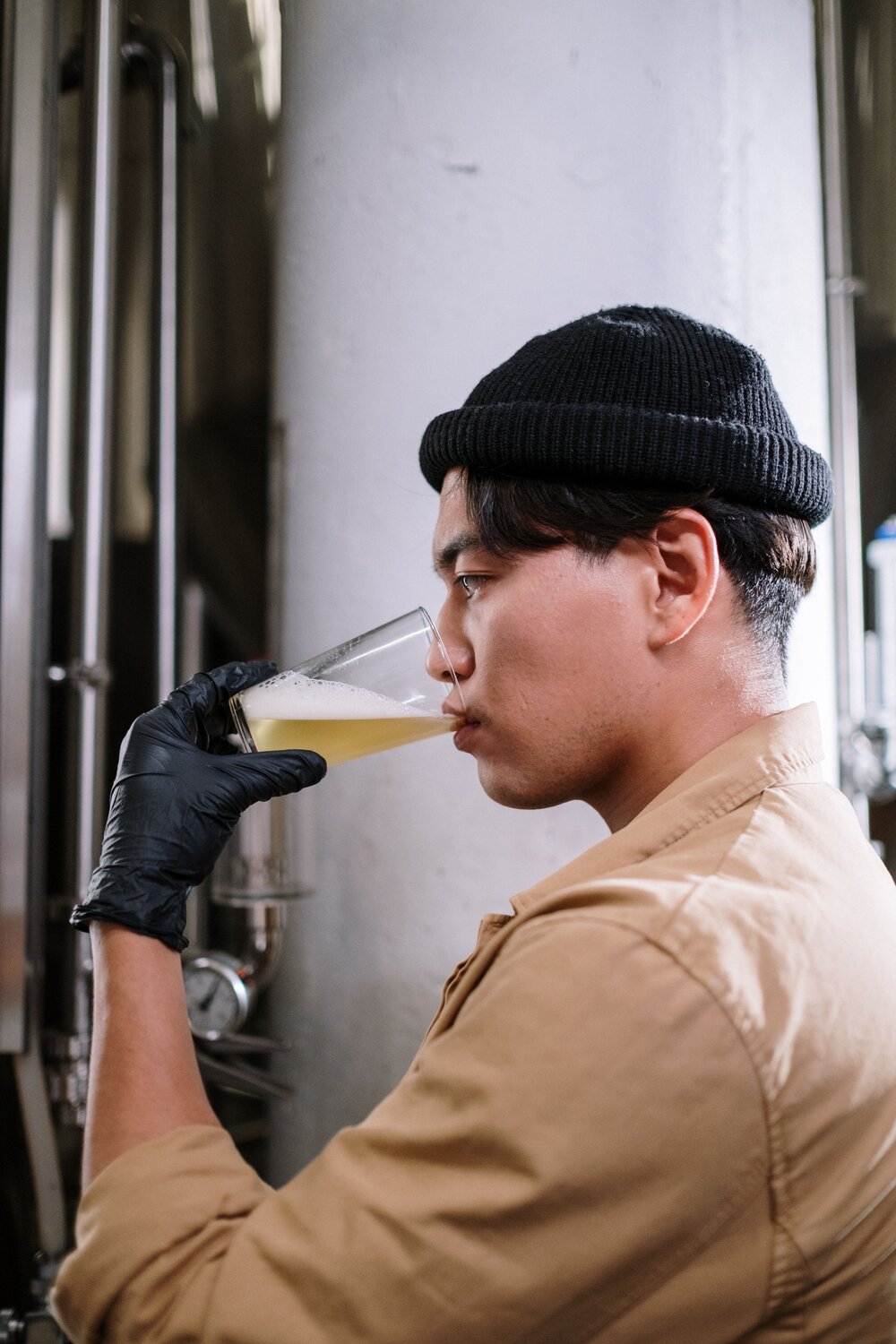
For bitter-forward products, static liking scores aren’t enough. Use time-intensity or TDS to see what dominates before and after swallow, especially when bitterness and astringency overlap. Dark chocolate work has used TDS specifically to map how bitterness, astringency, and sweetness trade dominance over time.
Then test repeated exposure. Sip three is often more commercially useful than sip one. Multi-sip sensory work has shown cumulative bitter effects across repeated sips, so if the finish gets louder or drier with each pass, you want to know before the consumer does.

R&D takeaways
- Decide early whether bitterness is a feature or a defect. Half-masking intentional bitterness usually gives you the worst of both worlds.
- Optimize decay, not just peak intensity. The last five seconds can do more damage than the first two.
- Segment early. If one group loves the bitter edge and another rejects it, averaging them together is not consensus. It’s camouflage.
Bitterness can absolutely signal adult, crafted, premium. But premium bitter feels placed. It has context, supporting notes, and an exit plan. The moment it starts wandering around the finish unsupervised, “complex” becomes “why does this taste like medicine?” very quickly.
Insights & Trends

Premium, Complex… or Medicinal?
September 28, 2026
The Scoville Scale Is Losing the Plot
September 14, 2026

Why the Second Sip Gives Your Sweetener Away
August 28, 2026
When “Naturally Sweet” Gets Complicated
August 11, 2026
The “Protein Problem”
July 29, 2026
Lemon-Lime Lost Its Monopoly
July 14, 2026

Coffee’s Next Frontier
June 22, 2026
Maximalism, Refined: Why Bigger Flavor Is Getting Smarter
June 12, 2026
Spice Without Pain
May 29, 2026
Botanicals Take the Lead
May 14, 2026
Color Talks Before Flavor Does
April 28, 2026

From “Asian-Inspired” to Region-True
April 13, 2026

Strawberry’s Not Moody—Your Formula Is
March 31, 2026

Dessert Déjà Vu, Upgraded
March 12, 2026
Cravings, Rewired: The Science of Shifting Taste
February 26, 2026
Swicy, but Make It Fruit
February 12, 2026

Nostalgia Flavors
January 28, 2026
Stack Attack
January 13, 2026
The Aftertaste Ambush
January 1, 2026
Function in Disguise
December 12, 2025
View All Blog Posts