October 27, 2026
/
Authenticity, Chemistry, and Why Vanillas Perform Differently
Two vanilla extracts can both be legal, natural, and perfectly respectable—and still behave like they’ve never met each other.
One lands creamy and round in ice cream. Another pulls woody and dry. A third smells gorgeous out of the bottle, then disappears halfway through a bake. Same flavor name. Very different job performance.
That’s because “vanilla” isn’t a single molecule with a dosage problem. It’s a combination of composition, compliance, and application physics. If one of those moves, your vanilla moves with it.
And when sourcing changes because of crop, origin, curing, or supplier availability, “just match the vanillin level” can be a very efficient way to match the wrong thing.
First: “vanilla extract” actually means something
In the U.S., vanilla extract has a standard of identity. It’s defined as the aqueous ethyl-alcohol solution of the flavor principles extracted from vanilla beans, with at least 35% alcohol by volume and at least one unit of vanilla constituent per gallon. That unit is tied to the extractable flavor material from a defined weight of cured Vanilla planifolia or Vanilla tahitensis beans.
That matters because language on the spec sheet isn’t just marketing decoration.
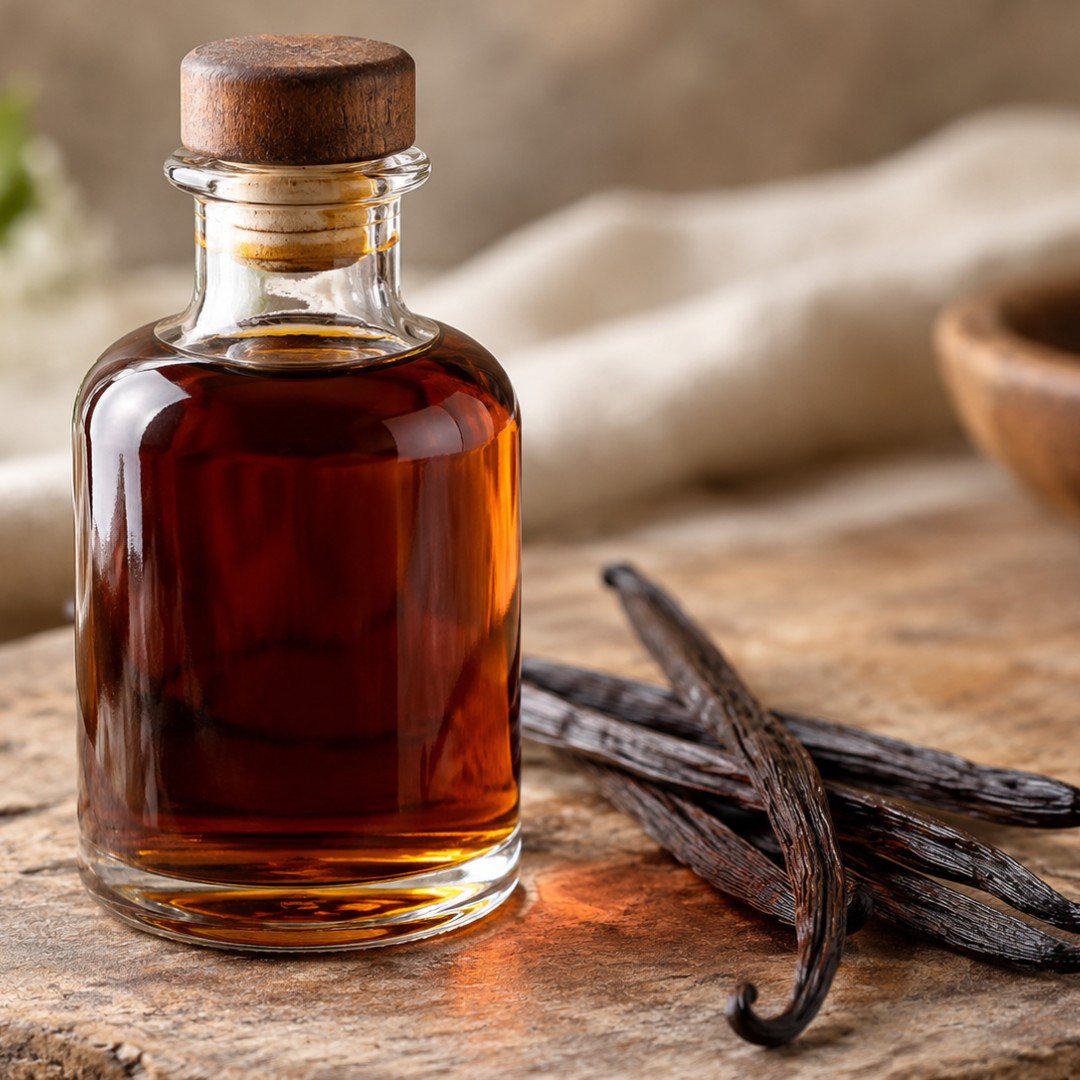
“Vanilla extract” and “vanilla flavoring” aren’t interchangeable regulatory terms: under the U.S. standard, vanilla flavoring follows the extract identity requirements but contains less than 35% alcohol.
For R&D, the practical move is simple: settle the desired claim architecture early. Don’t design the ideal sensory profile first and discover during commercialization that the ingredient system and the front-of-pack story are having separate conversations.
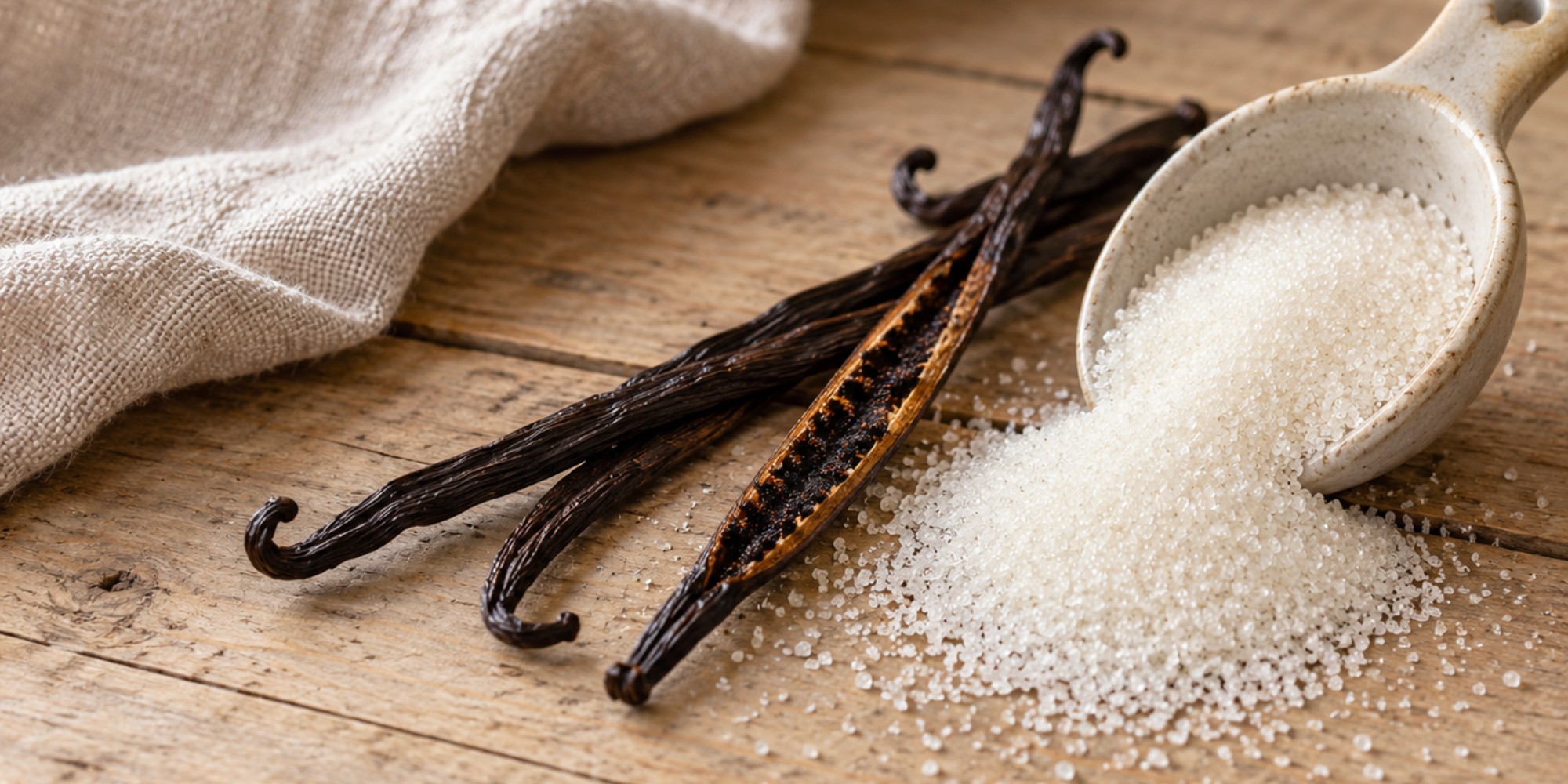
Vanillin is the headline. It isn’t the whole article.
Vanillin is the best-known—and generally most abundant—characteristic compound in cured vanilla. But treating vanillin concentration as a complete description of vanilla is a bit like describing coffee by caffeine content.
GC-MS/olfactometry work on traditionally cured V. planifolia beans identified hundreds of volatile compounds; vanillin was the most abundant compound in that study, followed by guaiacol. Origin samples also differed in their volatile profiles.
Those secondary compounds are where a lot of the sensory personality lives: smoky, woody, phenolic, floral, anisic, balsamic, dried-fruit and creamy impressions. Their proportions can shift with genetics, geography, maturity, curing and extraction.
So two extracts with similar vanillin numbers can still deliver different roundness, top-note lift or woody tail.
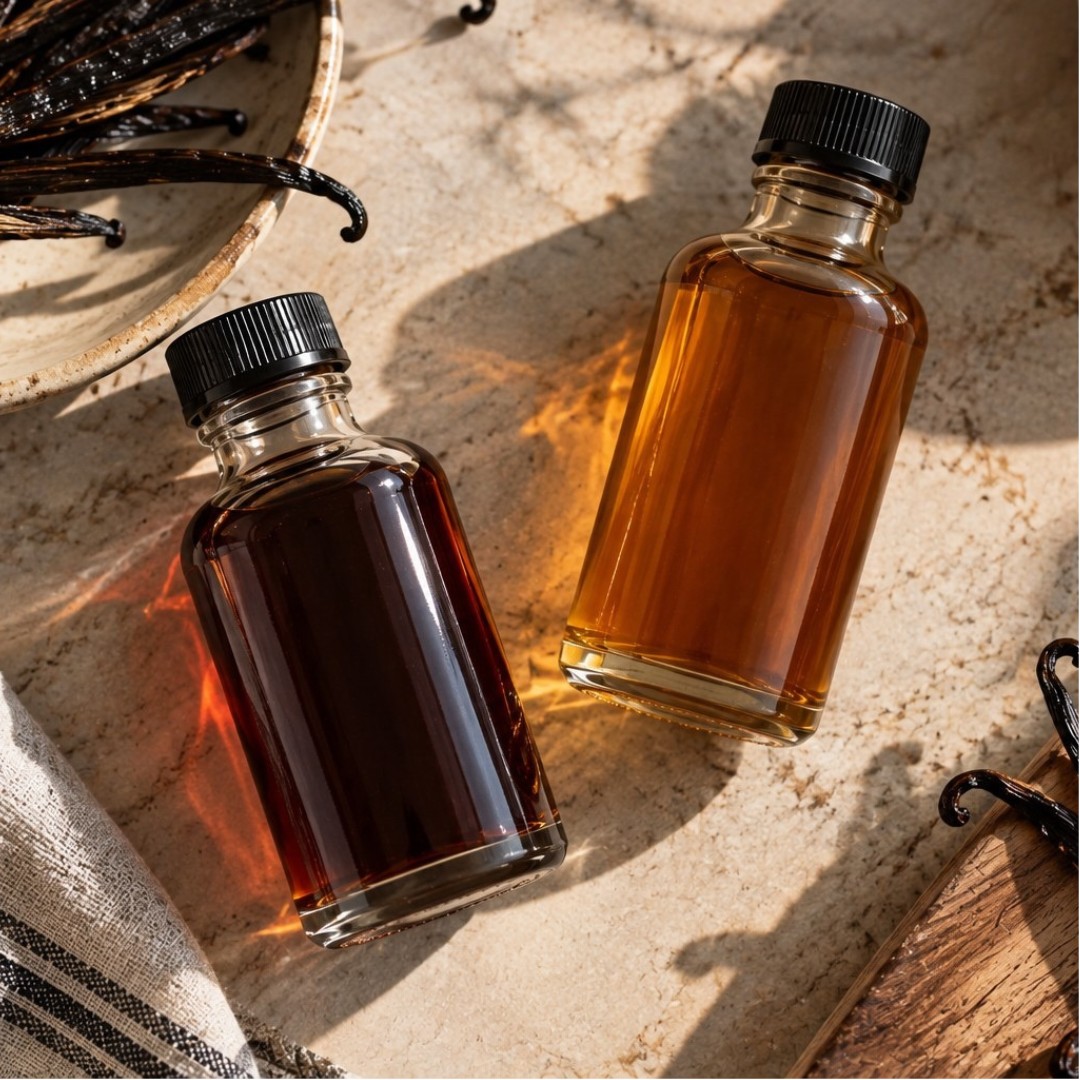
That’s the trap: an analytical match isn’t automatically a sensory match.
If your current vanilla is doing three jobs—opening aroma, smoothing dairy notes and stretching sweetness through the finish—a replacement that only matches its vanillin concentration may technically hit the target while sensorially missing the building.
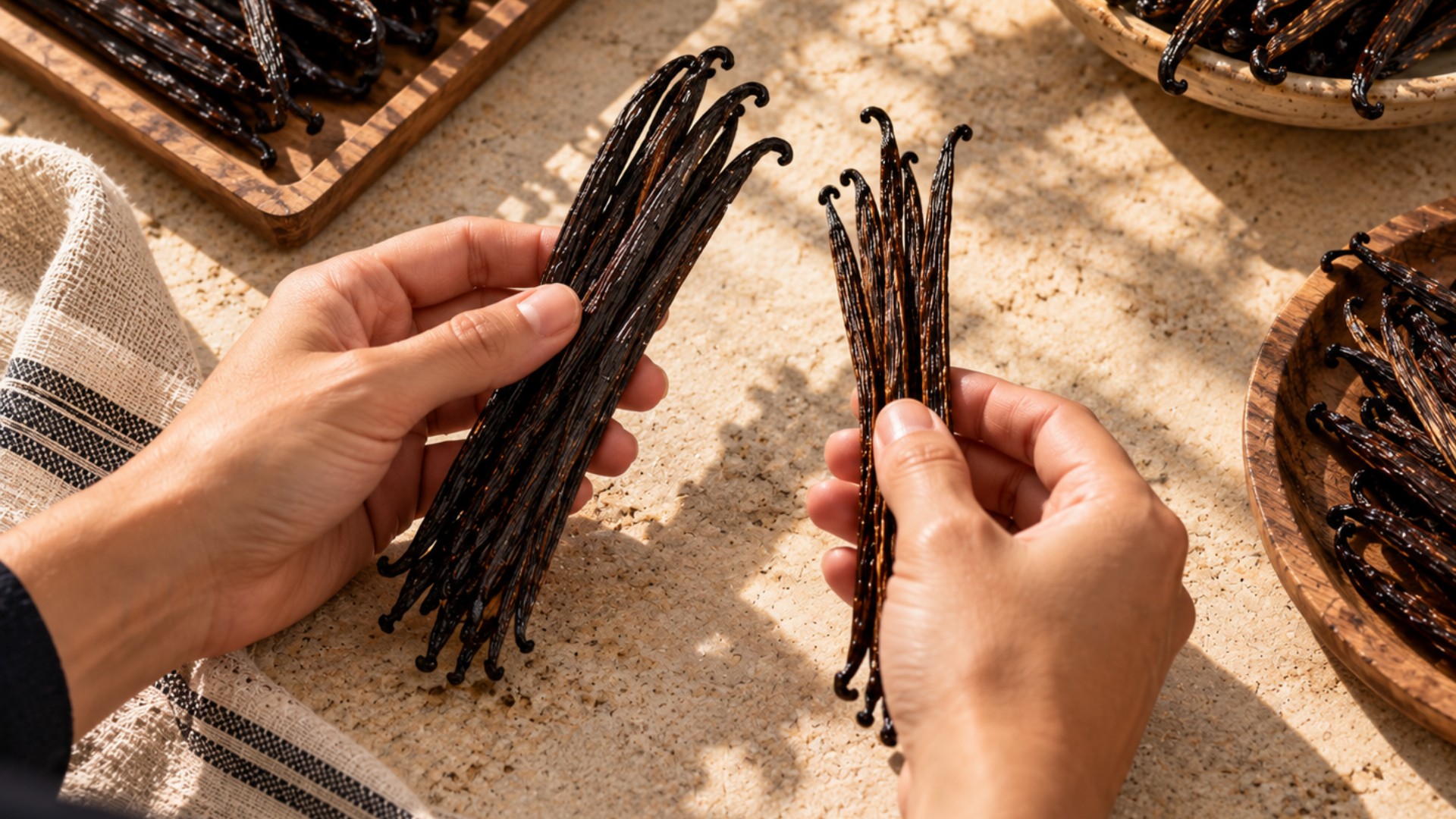
Authentication is getting harder to fool
Vanilla’s value also makes authenticity testing unusually relevant.
Stable-isotope analysis has become an important tool for differentiating vanilla-derived vanillin from vanillin produced through other feedstocks or processes. Carbon-isotope measurements are widely used, and newer work has explored hydrogen and site-specific isotope measurements to improve discrimination as production technologies become more sophisticated.
That’s one layer. Chemical fingerprints add another.
Recent origin work has used platforms including LC-HRMS and headspace SPME-GC-MS to compare metabolite and volatile patterns in cured beans from different geographical sources.
For QA teams, that doesn’t mean every incoming drum needs a forensic laboratory attached to it. It means your authentication program can be risk-based: identity markers for routine verification, broader VOC fingerprints for important lot changes, and isotope methods where origin or authenticity risk warrants the cost.
The key is connecting the chemistry back to sensory. A fingerprint that proves “this is authentic vanilla” doesn’t prove “this will taste like our approved control.”
Then the matrix gets involved
Vanilla doesn’t perform in a vial.

It performs in fat, protein, water, sugar, emulsifiers, heat and air.
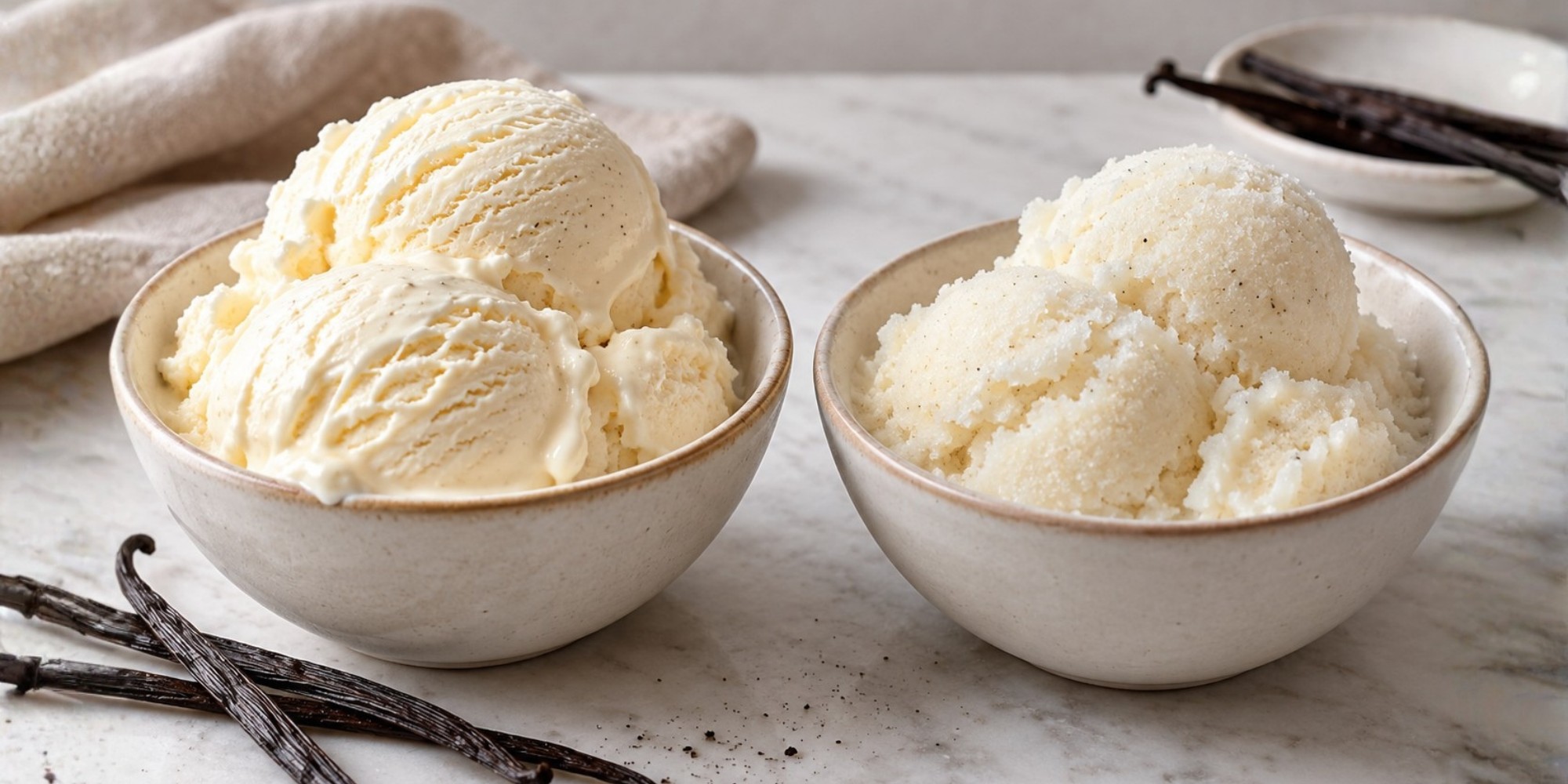
Protein and lipid can alter the headspace concentration and release of vanilla compounds, including vanillin. Research in model ice cream systems has shown that ingredient interactions can change the concentration of multiple volatile vanilla compounds, with protein and lipid among the important drivers.
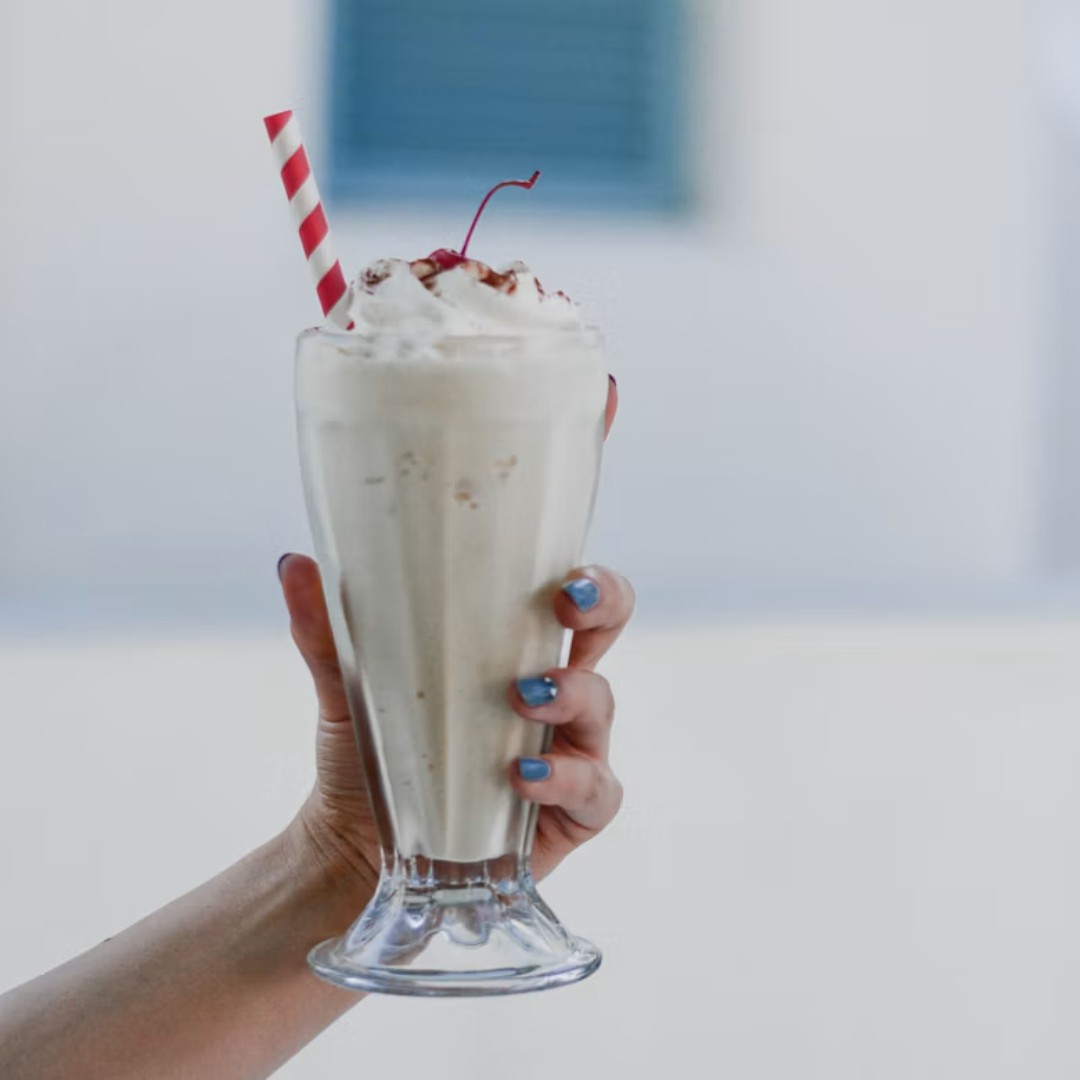
That’s why the vanilla that feels thin in a beverage can suddenly feel rich in frozen dairy—or why a beautiful extract can lose its floral lift in a high-protein application.
Heat adds another rewrite. Vanilla compounds don’t all share the same volatility or reactivity, and vanillin itself can interact with proteins in ways that reduce perceived flavor intensity.
So validate vanilla after the process, not just in the pre-process base.
A useful screening set: cold beverage, dairy/protein matrix and a heated application. If your supplier change only gets evaluated in water, you haven’t evaluated the vanilla. You’ve evaluated the easiest possible version of its life.
Sugar reduction can hollow vanilla out
Vanilla and sweetness have a particularly cozy relationship.
Controlled sensory studies show that vanilla aroma can increase perceived sweetness, although the size of that effect depends on the sweetener system and the individual tasting it.
That makes vanilla useful in sugar reduction—but it also makes sugar reduction dangerous for vanilla.
Drop sucrose and you don’t just lose sweetness. You can change body, flavor balance and the sensory context that made vanilla read creamy and complete. Switching to another sweetener may also change how strongly the vanilla-sweetness association works.
So don’t ask, “How much vanilla replaces the missing sugar?”
Ask: What job did sugar help the vanilla do?
If the answer is roundness, you may need body. If it’s sweet-aroma reinforcement, you may need to rebuild the top and mid notes. If the replacement sweetener leaves a long bitter or licorice-like finish, vanilla may need more structural support—not simply another 0.05%.
Turning up the dosage is not architecture.
Your vanilla spec should predict what your tongue cares about
A useful supplier specification needs more than origin, extract strength and vanillin.

Build the sensory function into it: creamy roundness, floral lift, woody depth, phenolic restraint, sweetness support, finish length. Then pair those targets with analytics that matter for your system—key marker compounds, a fingerprint range where appropriate, and authenticity testing proportional to risk.
Most important: retain approved sensory controls and test incoming material in the actual application.
If the business depends on one origin or one crop expression, build a contingency now. Alternate-source mapping is far less painful when nobody is staring at a launch date.
What to Measure
- Targeted vanilla markers plus VOC fingerprinting for meaningful lot or origin changes.
- Descriptive sensory profiling in each intended matrix, not just neat extract or water.
- Process robustness after thermal exposure, shear or concentration steps.
- Shelf-life tracking focused on top-note retention, woody/phenolic drift and overall vanilla fullness.
R&D takeaways
Specify vanilla by function, not just strength. “Creamy and round with restrained woody notes” is more actionable than a vanillin number by itself.
Treat origin and crop variability as formulation variables. Have qualified sensory backups before procurement needs them.
And connect claims, chemistry and application work early. The best vanilla replacement isn’t the one that wins the bottle sniff. It’s the one that survives your formula, your process, your label—and six months on the shelf without developing a personality disorder.
Vanilla looks simple because everybody recognizes it.
Formulating it consistently is exactly the opposite.
The Flavor Industry Insights & Trends hub is a good place to start.
Insights & Trends
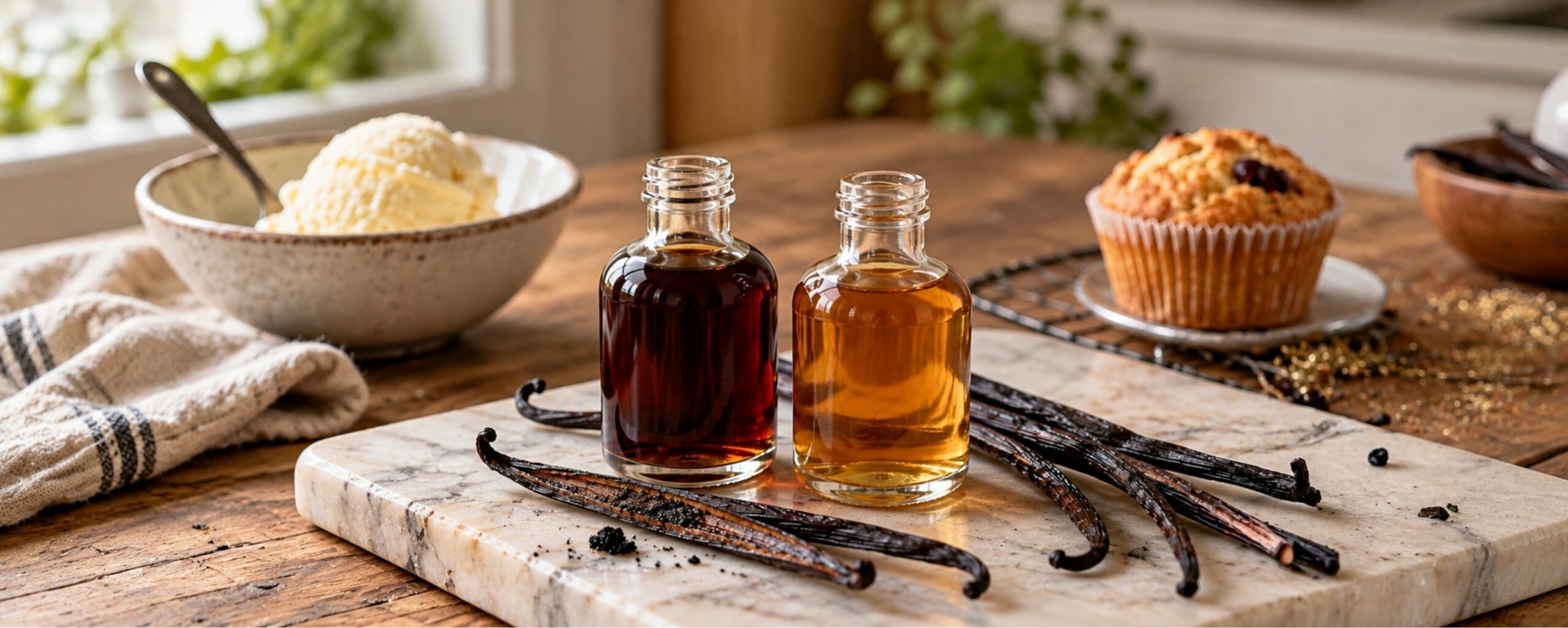
The Great Vanilla Squeeze
October 27, 2026
Beyond Pumpkin Spice: Building Occasion Flavors
October 14, 2026
Premium, Complex… or Medicinal?
September 28, 2026
The Scoville Scale Is Losing the Plot
September 14, 2026

Why the Second Sip Gives Your Sweetener Away
August 28, 2026
When “Naturally Sweet” Gets Complicated
August 11, 2026
The “Protein Problem”
July 29, 2026
Lemon-Lime Lost Its Monopoly
July 14, 2026

Coffee’s Next Frontier
June 22, 2026
Maximalism, Refined: Why Bigger Flavor Is Getting Smarter
June 12, 2026
Spice Without Pain
May 29, 2026
Botanicals Take the Lead
May 14, 2026
Color Talks Before Flavor Does
April 28, 2026

From “Asian-Inspired” to Region-True
April 13, 2026

Strawberry’s Not Moody—Your Formula Is
March 31, 2026

Dessert Déjà Vu, Upgraded
March 12, 2026

Cravings, Rewired: The Science of Shifting Taste
February 26, 2026
Swicy, but Make It Fruit
February 12, 2026

Nostalgia Flavors
January 28, 2026
Stack Attack
January 13, 2026
View All Blog Posts