October 14, 2026
/
Why Seasonal Flavors Are Becoming Occasion Flavors
Some flavors are ingredients. Others are appointments.
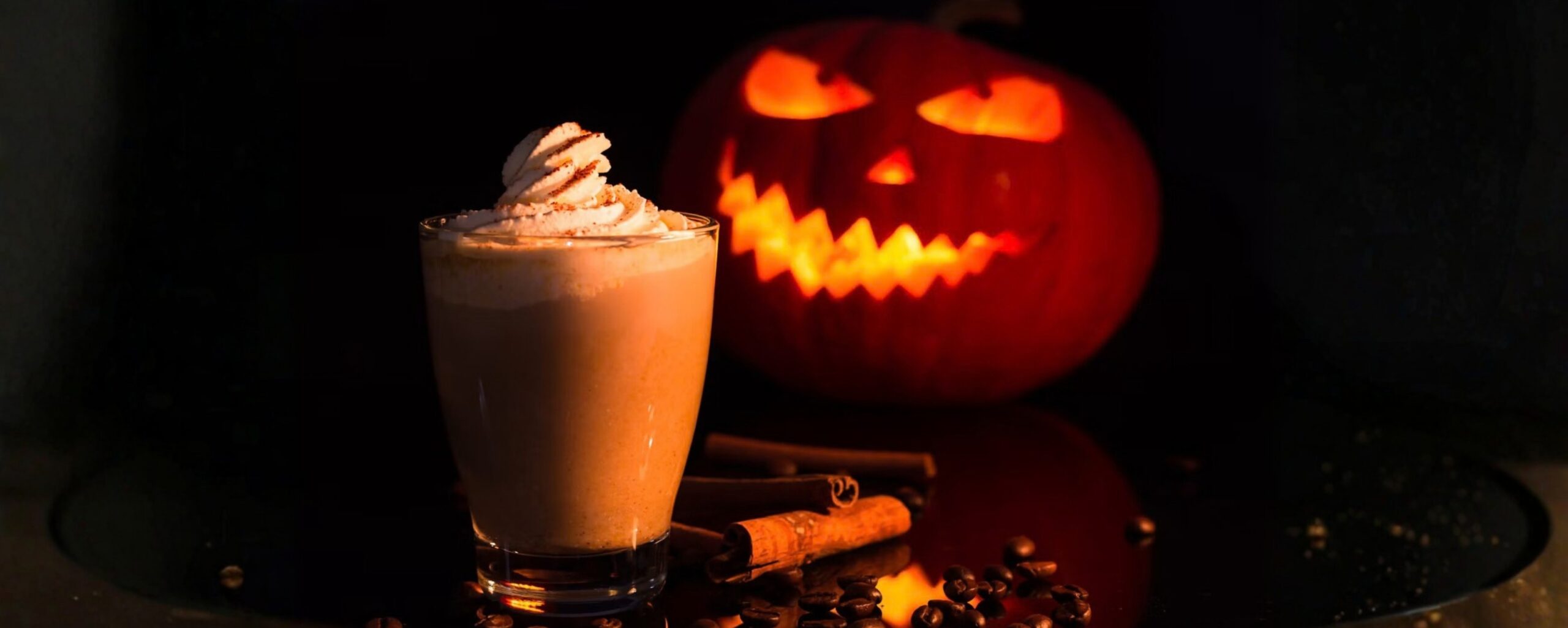
Peppermint in December feels inevitable. Peppermint in June feels like somebody forgot to update the innovation calendar. And pumpkin spice? At this point, the first sighting is practically a meteorological event.
That’s what makes seasonal flavor different from ordinary flavor development. The profile has to taste good, obviously. But it also has to feel right for a moment—the first cold weekend, a summer road trip, a birthday, a tailgate, a holiday table. The calendar is doing part of the sensory work before the consumer ever takes a bite.
And brands are giving it more room to work. North American launches highlighting seasonality increased 28% in one year, while conversations around “year-round seasons” rose 24%. More recently, 69% of tracked food and beverage subcategories offered at least one seasonal or limited-edition flavor, versus 57% in 2021.
So no, this isn’t just pumpkin spice refusing to leave the group chat.
The calendar is part of the formula
A seasonal flavor comes with built-in expectations.
Apple in September isn’t simply “apple.” It may need cooked fruit, cinnamon warmth, brown sugar, maybe a little buttery crust character. Summer lemonade wants brighter acid, fresher fruit and less weight. Peppermint bark needs enough chocolate and vanilla body to say confection—not mouthwash.
That distinction matters at the bench because the occasion changes the target profile.
Take spiced apple. A sparkling water might need crisp peel, juicy flesh and a quick cinnamon finish. Put that same architecture in an oat creamer and it could disappear. Now the brief probably needs baked apple, caramelized sugar and heavier spice notes that survive fat, solids and coffee.
Same season. Different sensory costume.
For R&D teams, “fall flavor” isn’t a useful endpoint. What exact moment are we trying to taste like?
Scarcity is doing some of the selling
Seasonal flavors also get something permanent SKUs don’t: a clock.
Recent launch data shows seasonal innovation grew about 9% annually over five years even as overall new-product activity declined slightly. And three-fourths of categories launching seasonal or LTO products introduced them during fall/winter quarters.
That limited window can give R&D permission to get more specific.
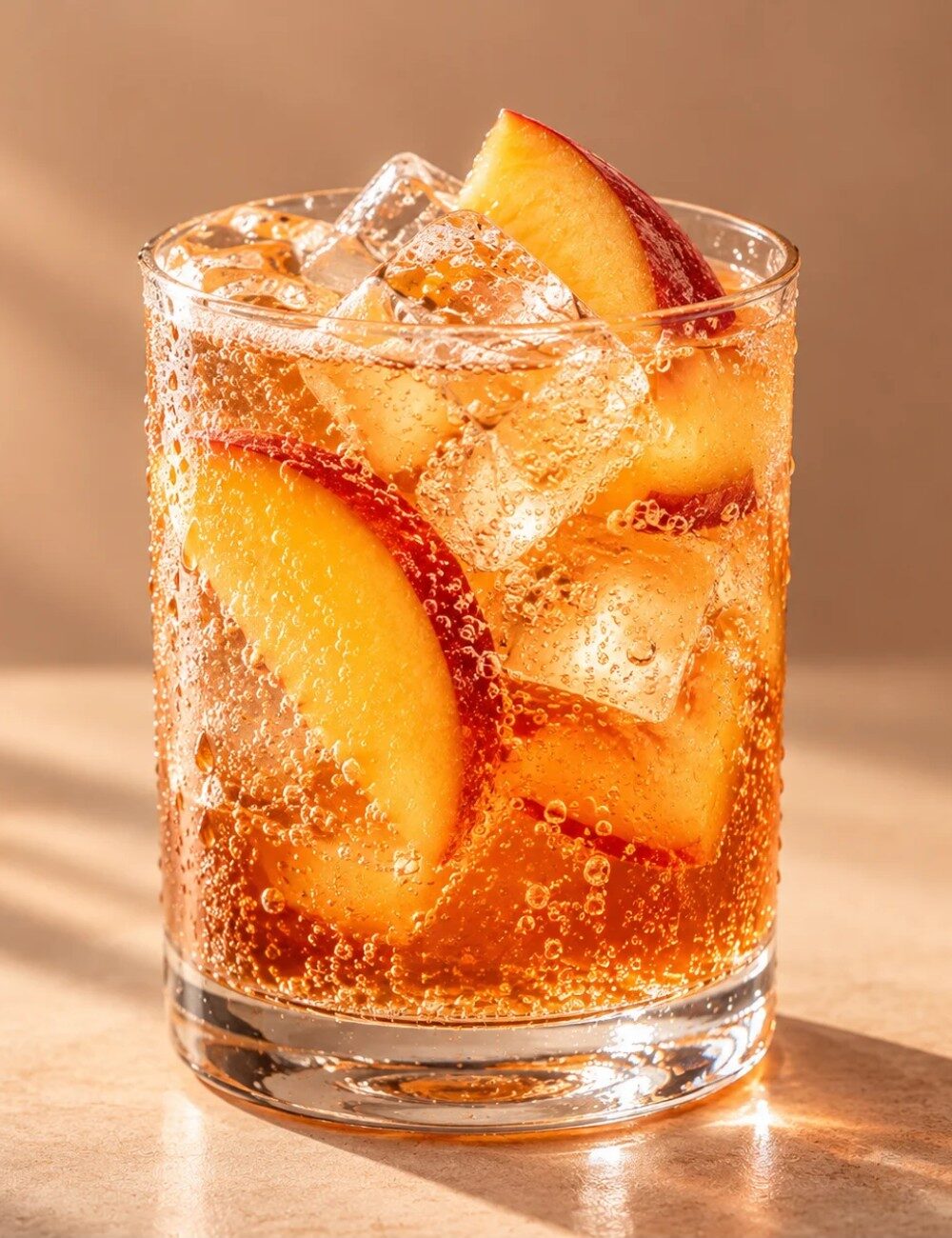
A permanent peach beverage may need broad appeal. A Late-Summer Peach Cobbler Sparkler can lean harder into ripe peach, baked sugar and vanilla because it has a story explaining why those notes belong together.
LTOs can also become relatively low-risk concept tests. If Salted Cranberry Orange performs, maybe the fruit architecture has life beyond the holidays. If Banana Boat frozen bars get repeat purchase, toasted marshmallow + banana + chocolate might deserve a second application.
Seasonal doesn’t have to mean disposable. Sometimes it’s an audition.
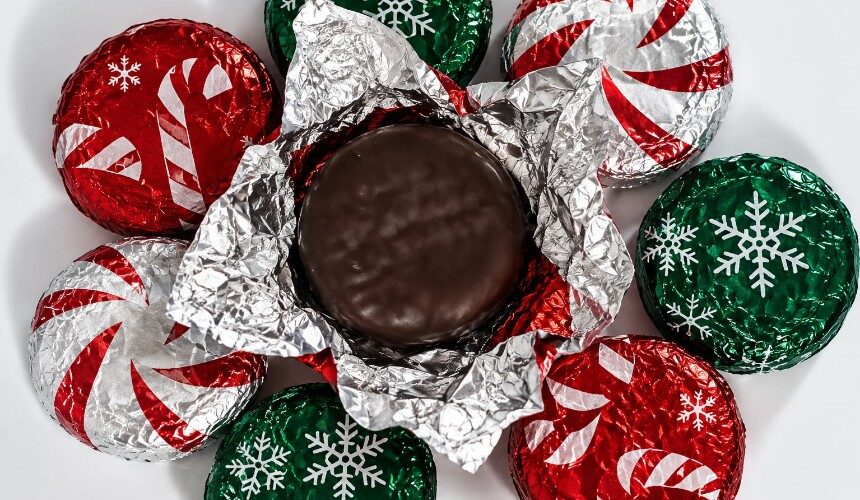
Story only works if you can taste it
Packaging can put snowflakes on almost anything. Flavor still has to close the deal.
Visual cues matter enormously: industry research cited by FlavorSum reports that more than nine in 10 shoppers base purchase decisions partly on visual appearance, with roughly eight in 10 specifically pointing to color.
That creates a useful formulation problem: the flavor has to match the picture already forming in the consumer’s head.
If the package says Peppermint Bark, cool mint alone won’t get you there. You need cocoa depth, creamy vanilla and enough confectionery sweetness to make the peppermint read as candy.
If the concept is Birthday Cake Protein Bites, vanilla isn’t enough either. Think frosting aroma, baked cake crumb and maybe a butter note to replace some of the richness lost in a lower-sugar, high-protein system.
And if the story is Summer Berry Lemonade, acid becomes part of the identity. Too little and it reads berry drink. Too much and delicate strawberry or blackberry top notes get steamrolled.
The story sets a sensory promise. R&D has to make the formula keep it.
The next occasion flavors don’t have to be classics
This is where the trend gets more interesting.
Seasonality can pull from memories that don’t already have twelve feet of shelf space. Earlier trend work called out peach, blackberry, nectarine, tart cherry and lychee as memory-making flavors, alongside more specific celebration cues such as banana boats and orange brownies.
That opens up better briefs than “another fall SKU.”
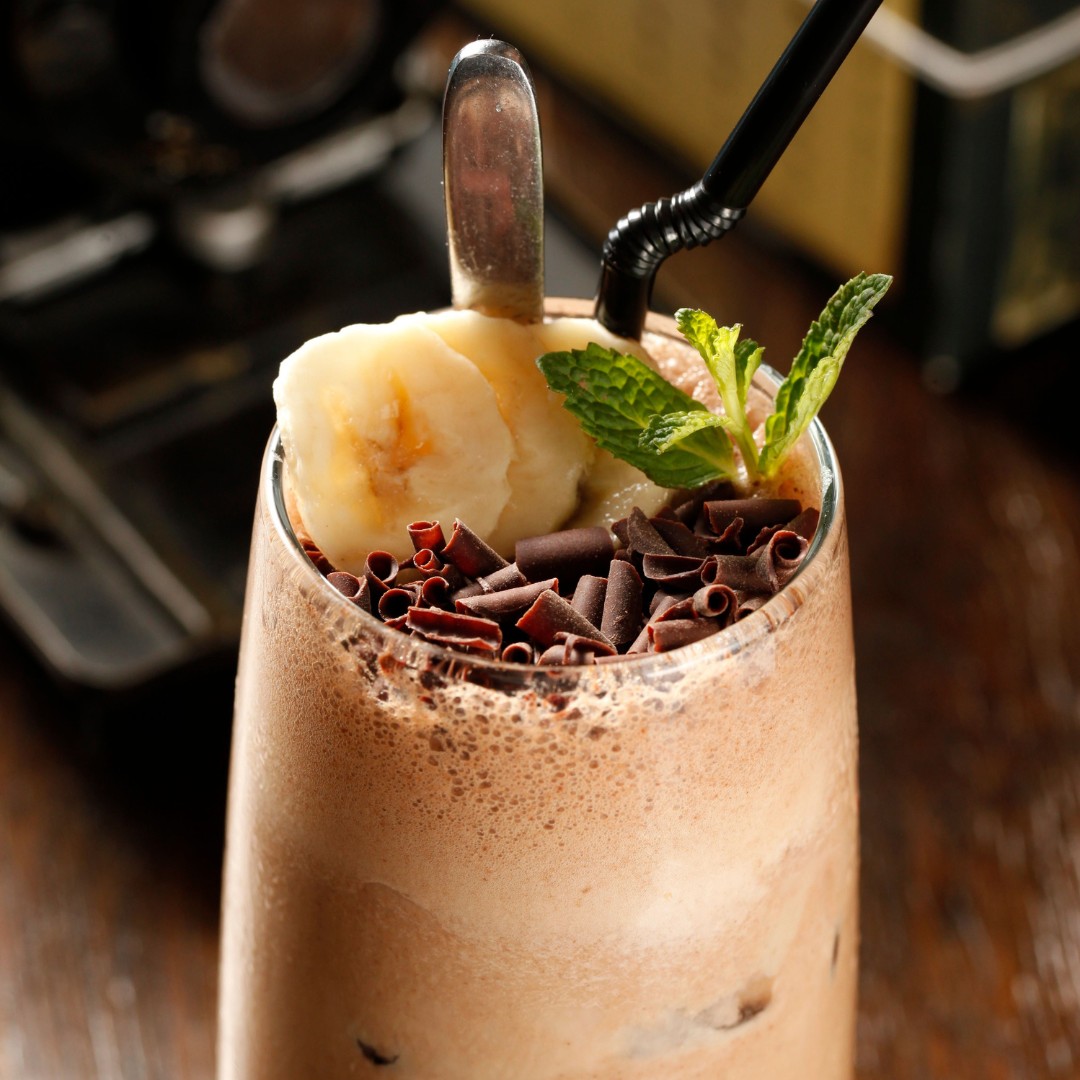
Banana Boat Protein Shake
Ripe banana first, then milk chocolate and toasted marshmallow. Watch protein binding and lingering sweetener notes; if the banana top disappears, the whole campfire memory collapses.
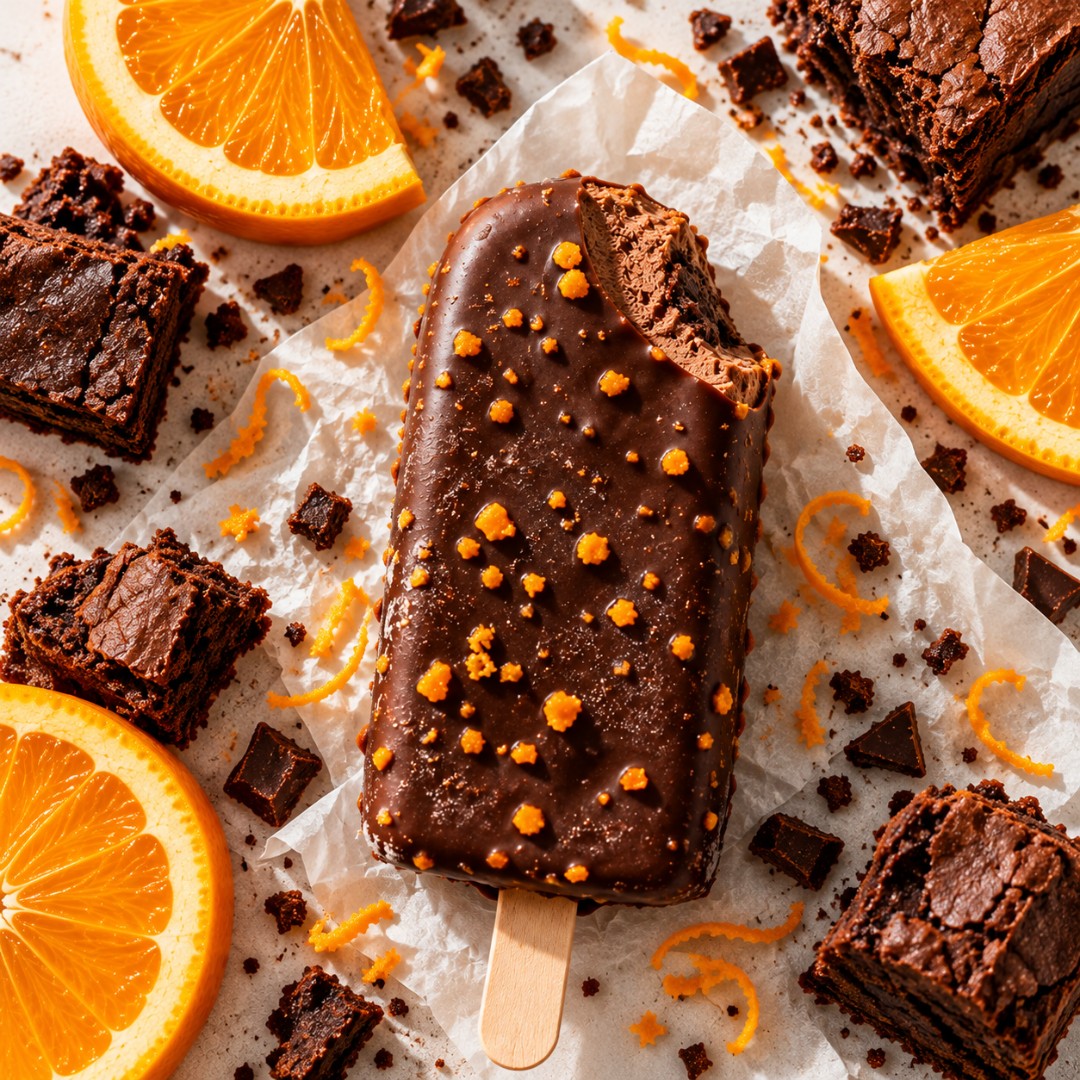
Orange Brownie Frozen Bar
Dark cocoa and fudgy brownie body with a clean orange-oil lift. Cold suppresses aroma, so citrus needs enough presence to survive freezing without turning into orange candy.
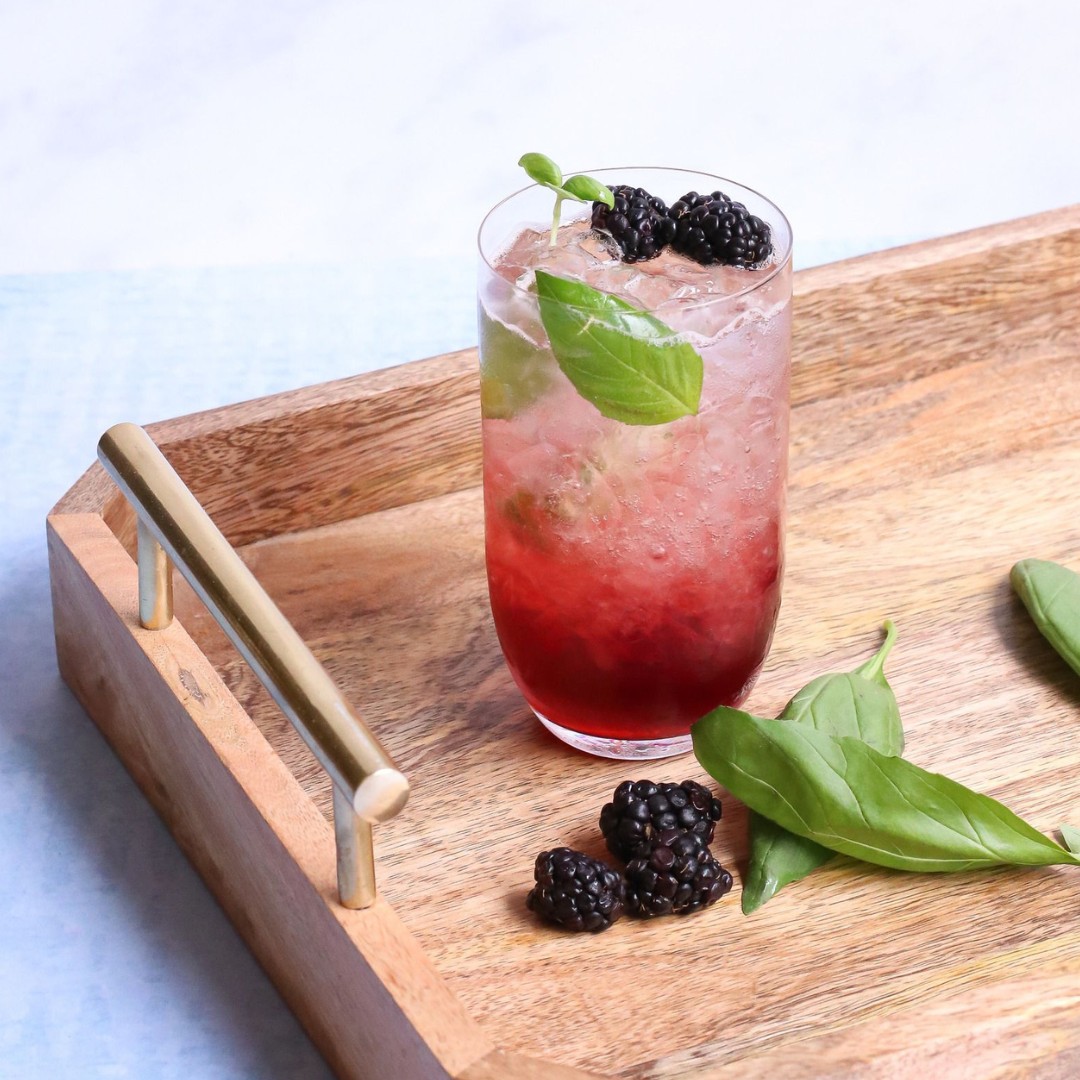
Blackberry Lemonade Hydration Drink
Juicy blackberry with sharp lemon and a dry, refreshing finish. Lock the acid system before dialing fruit; chasing blackberry dosage while pH is still moving is an excellent way to spend an afternoon twice.
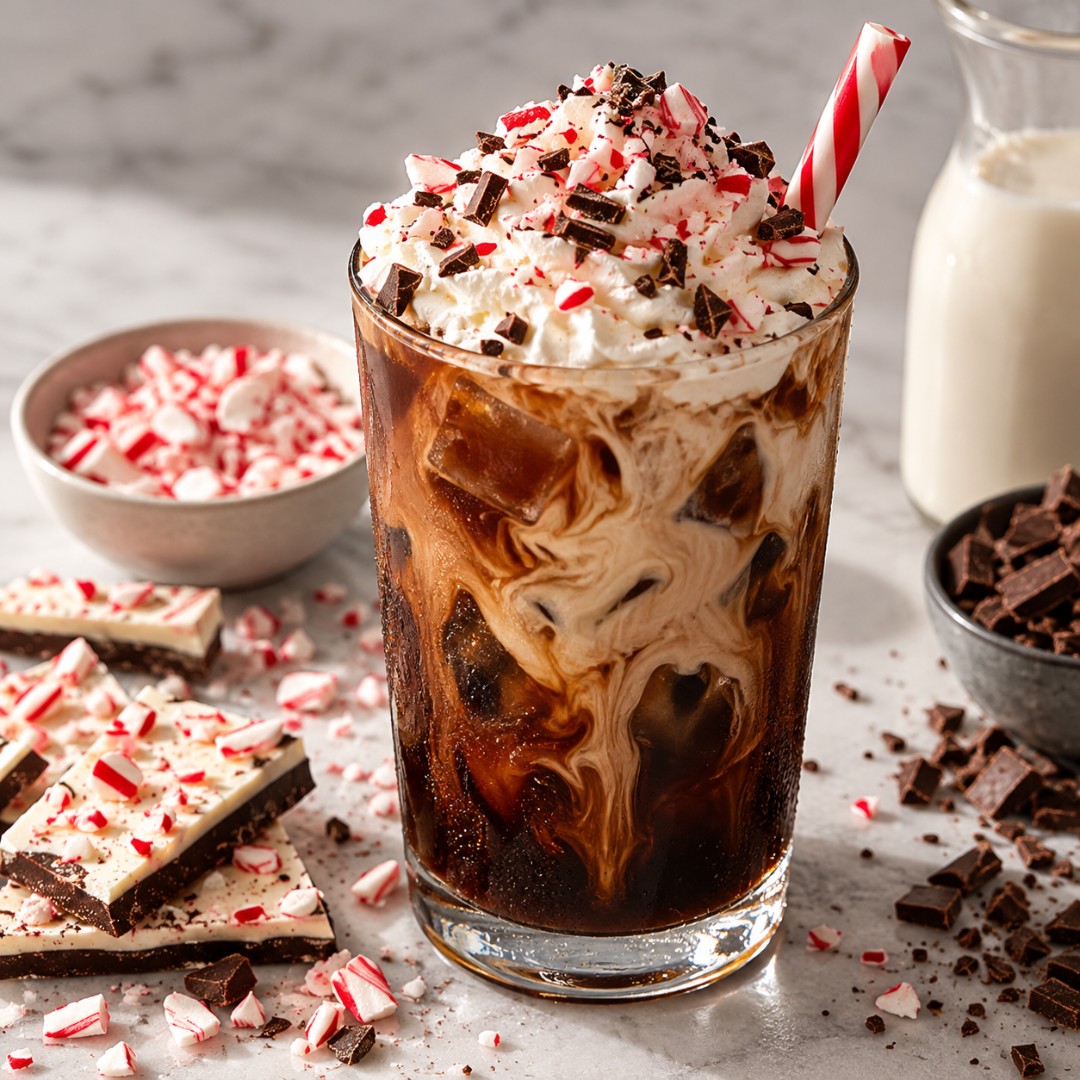
Peppermint Bark Cold Brew
cocoa, vanilla cream and restrained peppermint over coffee bitterness. Peppermint should arrive as lift, not occupy the property.
That’s the bigger opportunity: don’t just name a season. Reconstruct a scene.
Give the flavor somewhere to go
The market evidence says seasonal innovation has room well beyond the usual holiday suspects. Prepared Foods documented fall LTO activity stretching across beverages, bakery, confectionery, snacks, dairy and more. And one particularly good proof point came from beverages: Dr Pepper Creamy Coconut became the brand owner’s most successful limited-time CSD to date, while blackberry-flavored CSDs were later reported growing more than twice as fast as the overall CSD category in dollar sales.
The interesting part isn’t coconut or blackberry by themselves.
It’s that flavor can create an event around an established product.
For formulators, that makes occasion flavor a bigger job than choosing a seasonal note from a library. You’re engineering recognition, timing and memory at once. The flavor needs to signal the moment quickly, survive the matrix, and deliver enough specificity that the story doesn’t depend entirely on the package.
Pumpkin spice proved the calendar can sell flavor.
The next wave is more fun: make the flavor tell us what day it is.
Insights & Trends
The Great Vanilla Squeeze
October 27, 2026
Beyond Pumpkin Spice: Building Occasion Flavors
October 14, 2026
Premium, Complex… or Medicinal?
September 28, 2026
The Scoville Scale Is Losing the Plot
September 14, 2026

Why the Second Sip Gives Your Sweetener Away
August 28, 2026
When “Naturally Sweet” Gets Complicated
August 11, 2026
The “Protein Problem”
July 29, 2026
Lemon-Lime Lost Its Monopoly
July 14, 2026

Coffee’s Next Frontier
June 22, 2026
Maximalism, Refined: Why Bigger Flavor Is Getting Smarter
June 12, 2026
Spice Without Pain
May 29, 2026
Botanicals Take the Lead
May 14, 2026
Color Talks Before Flavor Does
April 28, 2026
From “Asian-Inspired” to Region-True
April 13, 2026

Strawberry’s Not Moody—Your Formula Is
March 31, 2026
Dessert Déjà Vu, Upgraded
March 12, 2026
Cravings, Rewired: The Science of Shifting Taste
February 26, 2026
Swicy, but Make It Fruit
February 12, 2026

Nostalgia Flavors
January 28, 2026
Stack Attack
January 13, 2026
View All Blog Posts