November 13, 2026
/
Boozy-inspired flavors are crossing categories.
Getting the cocktail experience to travel takes more than a familiar name.
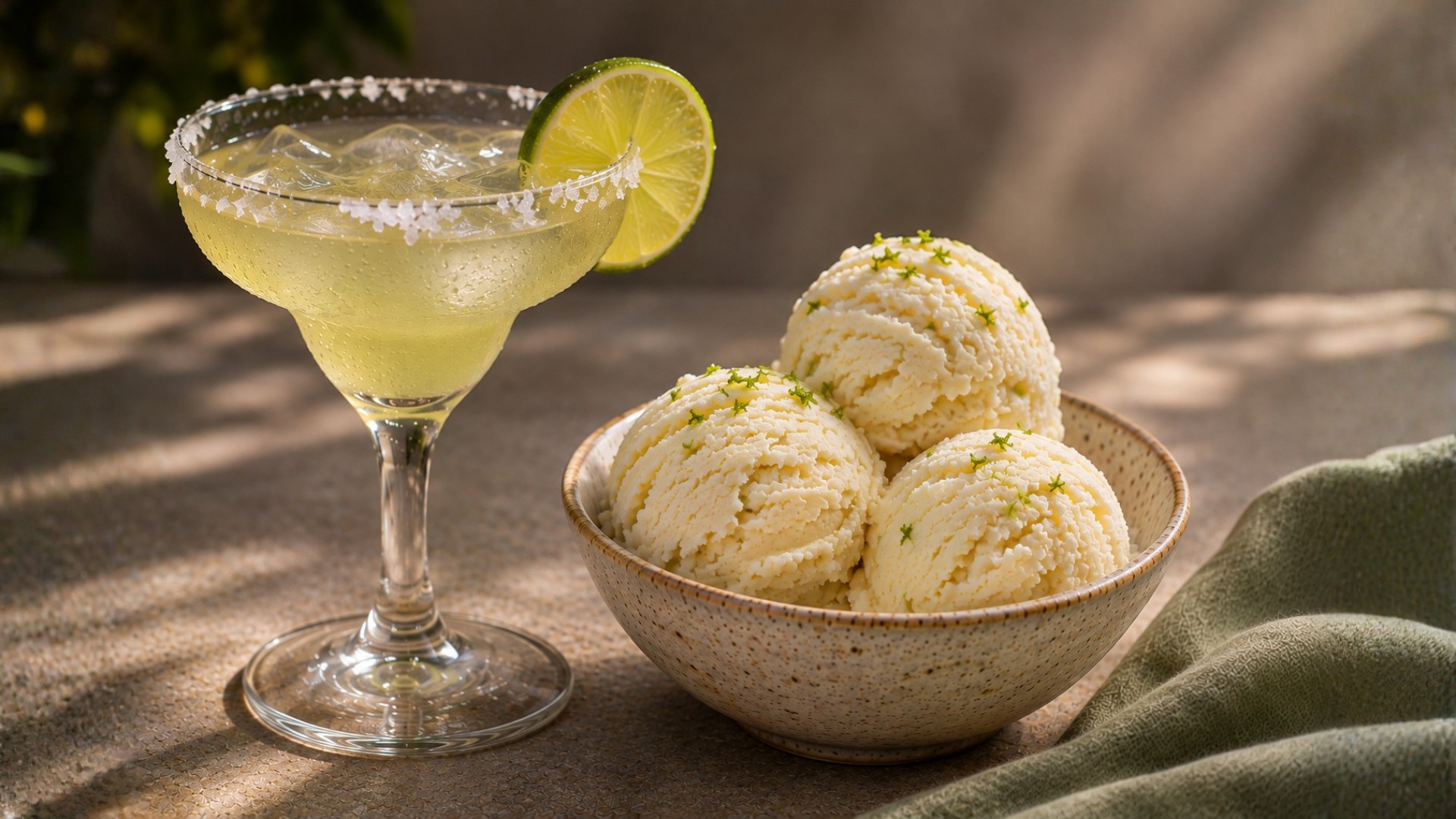
A margarita has a geography problem. It used to belong behind the bar. Now cocktail flavors are turning up in sparkling water and inspiring dessert—and the bar cart is starting to look suspiciously like a product-development meeting.
But a cocktail isn’t just a flavor name. Move the fruit and leave the balance behind, and “mojito” becomes lime-mint candy. “Espresso martini” becomes coffee syrup in formalwear. The real challenge is bringing the experience along for the ride.
The bar cart is becoming a flavor library
Cocktail inspiration is spreading through beverages and into dessert.
The launch numbers show why developers are paying attention. North American cocktail-flavored water launches rose 50% in the year ending July 2025; carbonated soft drinks climbed 85% and functional beverages 75%. Those are launch increases, not sales growth, and functional beverages still accounted for a small share. Even so, that’s a busy bar cart.
Dessert has its eye on the drinks menu, too. Forecasts for 2025 flagged margarita icing, peach bellini and Irish cream, along with strawberry margarita, piña colada and mojito, as directions to watch. They’re ideas with crossover potential—not a declaration that every bakery needs a cocktail shaker.
Moderation adds another reason to explore. In a January 2025 survey of 1,131 U.S. adults aged 21 and older, 49% said they planned to drink less that year. That measures intention, not what ended up in the shopping cart. Still, less alcohol leaves plenty of room for an interesting drink.
Take out the alcohol. Rebuild what it was doing.
A convincing cocktail profile needs aroma, balance and mouthfeel.
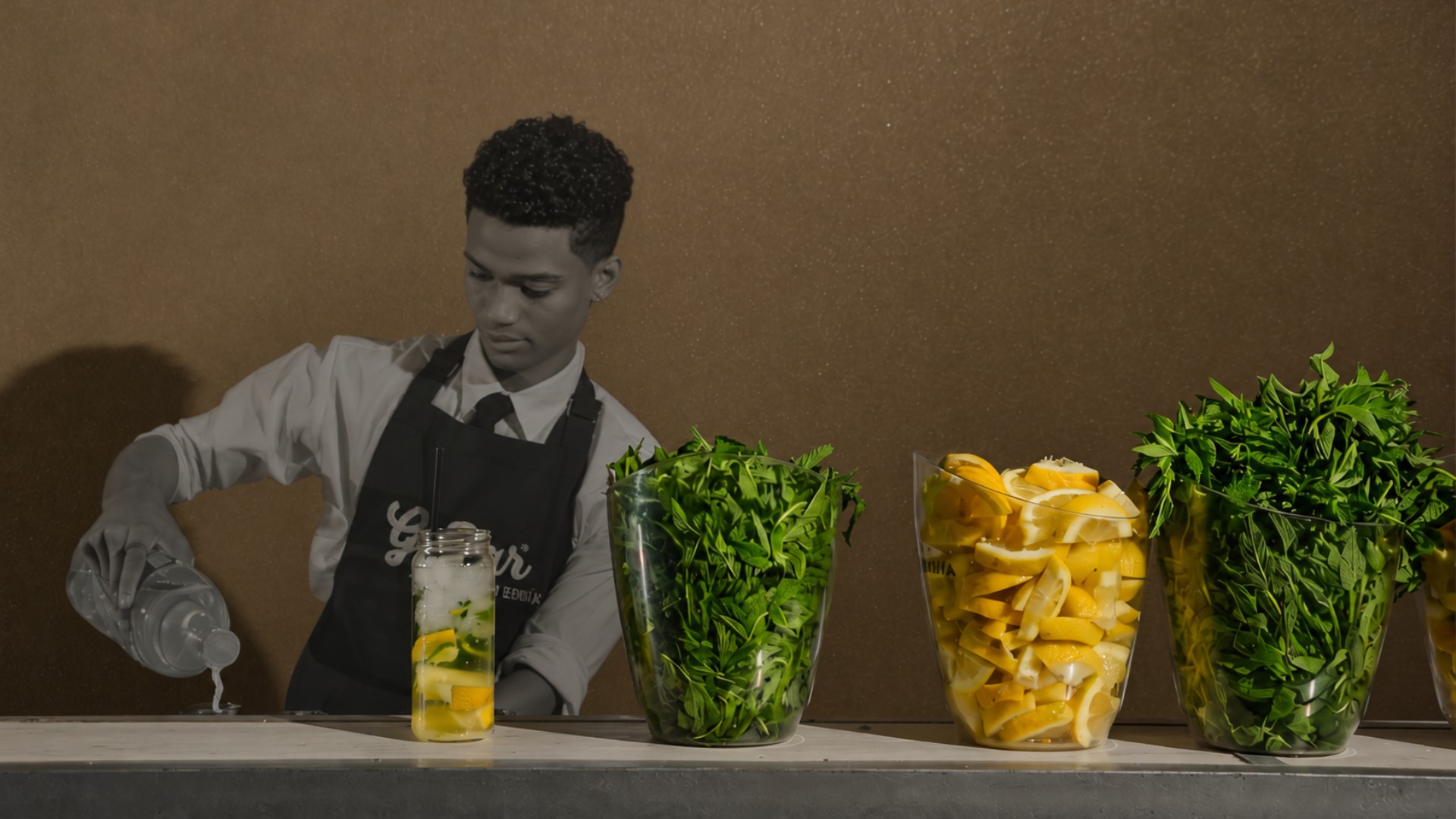
This is where “just make it zero-proof” stops being a small edit. Ethanol influences aroma release, taste and mouthfeel. Change its concentration and the perceived flavor can change with it. Removing it leaves more to figure out than an empty space on the ingredient list.
Start with the cues that make the drink recognizable: citrus up front, botanical depth through the middle, a bitter edge or a lingering roasted finish. Which ones need to survive the trip into the new product? Which ones would only get in the way?
Here’s a useful bench question: cover up the cocktail name. Can you still tell what it’s supposed to be? “Paloma” on a label shouldn’t have to do all the heavy lifting.
Five ways to take the cocktail somewhere new
These bench concepts explore how the flavor story could travel.
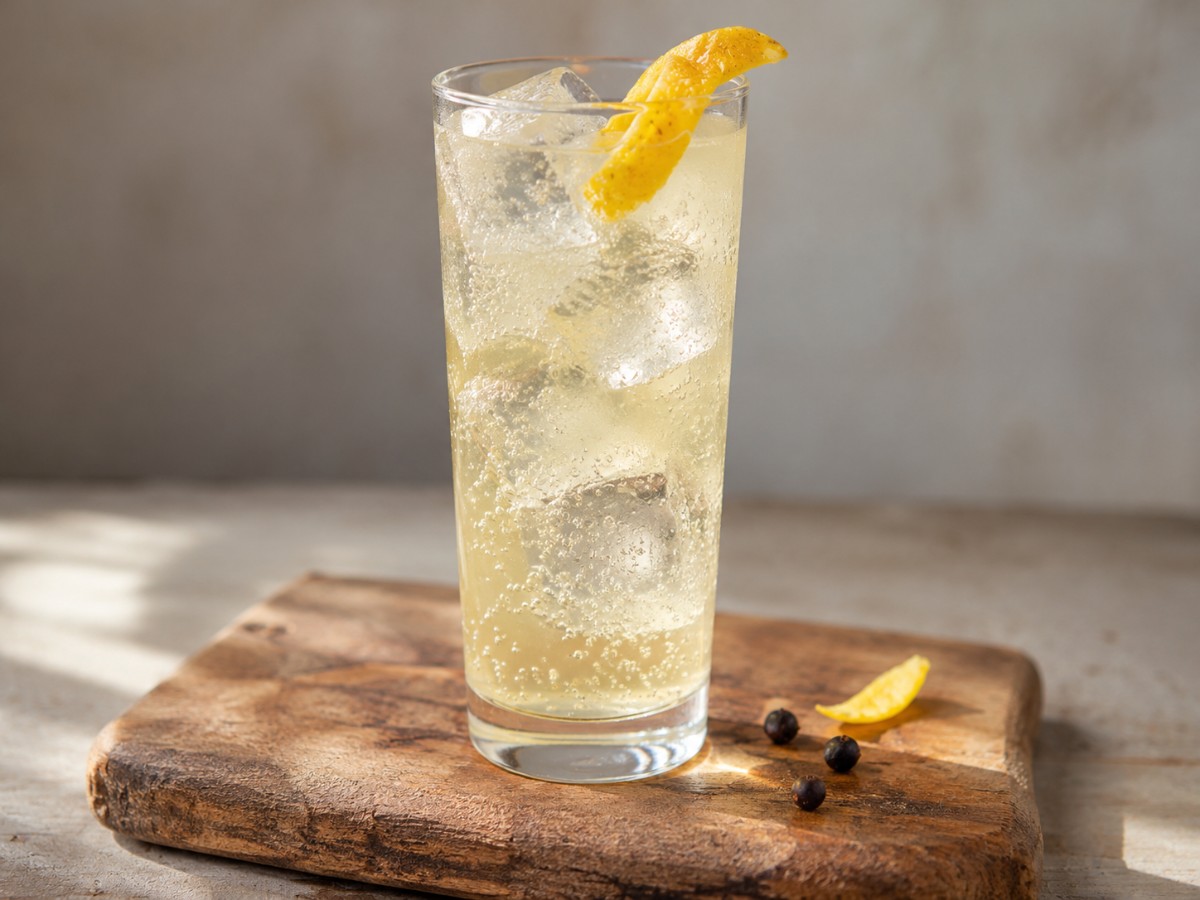
Sparkling water: Yuzu Gin & Tonic.
Bright citrus peel up front, juniper through the middle and a restrained tonic-style bitter finish. Test the sweetness carefully. Too much, and congratulations: you’ve made fancy citrus soda.
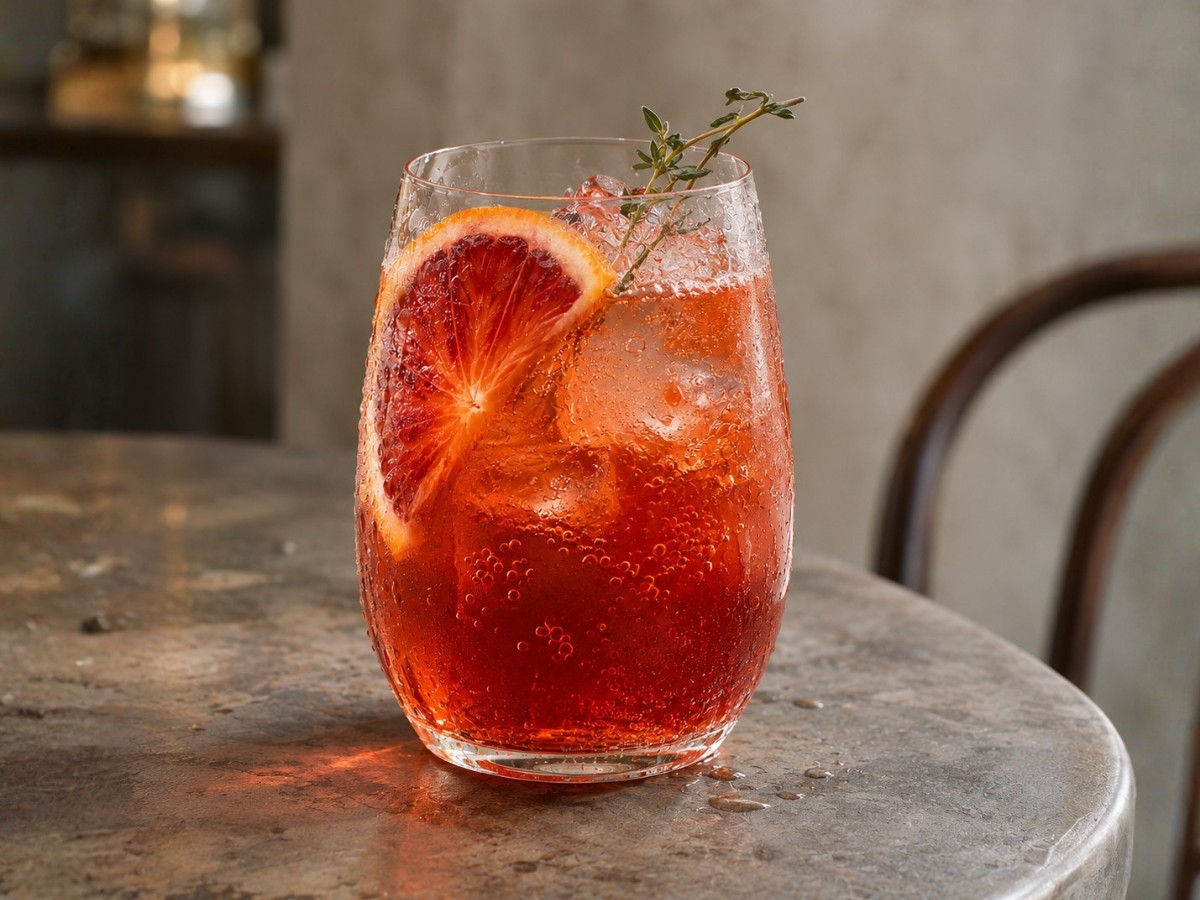
Functional beverage: Blood Orange Negroni Spritz.
Blood orange opens the door; herbal and bitter-orange notes give the profile somewhere to go. Test it in the complete functional base. Its bitterness might fit right in—or invite itself to stay far too long.
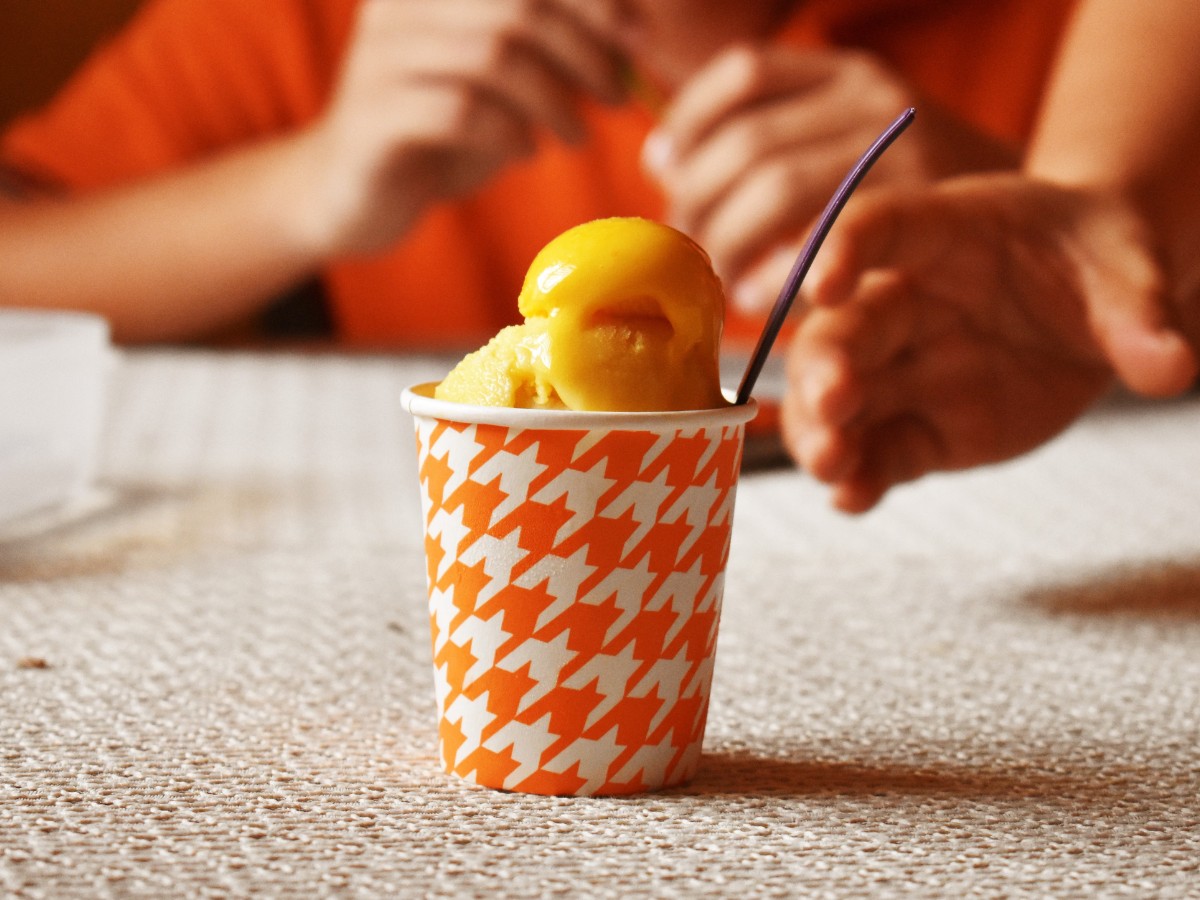
Frozen dessert: Peach Bellini Sorbet.
Ripe peach, sparkling-wine-inspired aromatics and a crisp acidic finish can suggest the drink without dragging the whole bar into the freezer. Taste it at serving temperature. The peach should read juicy, not gummy-candy sweet.
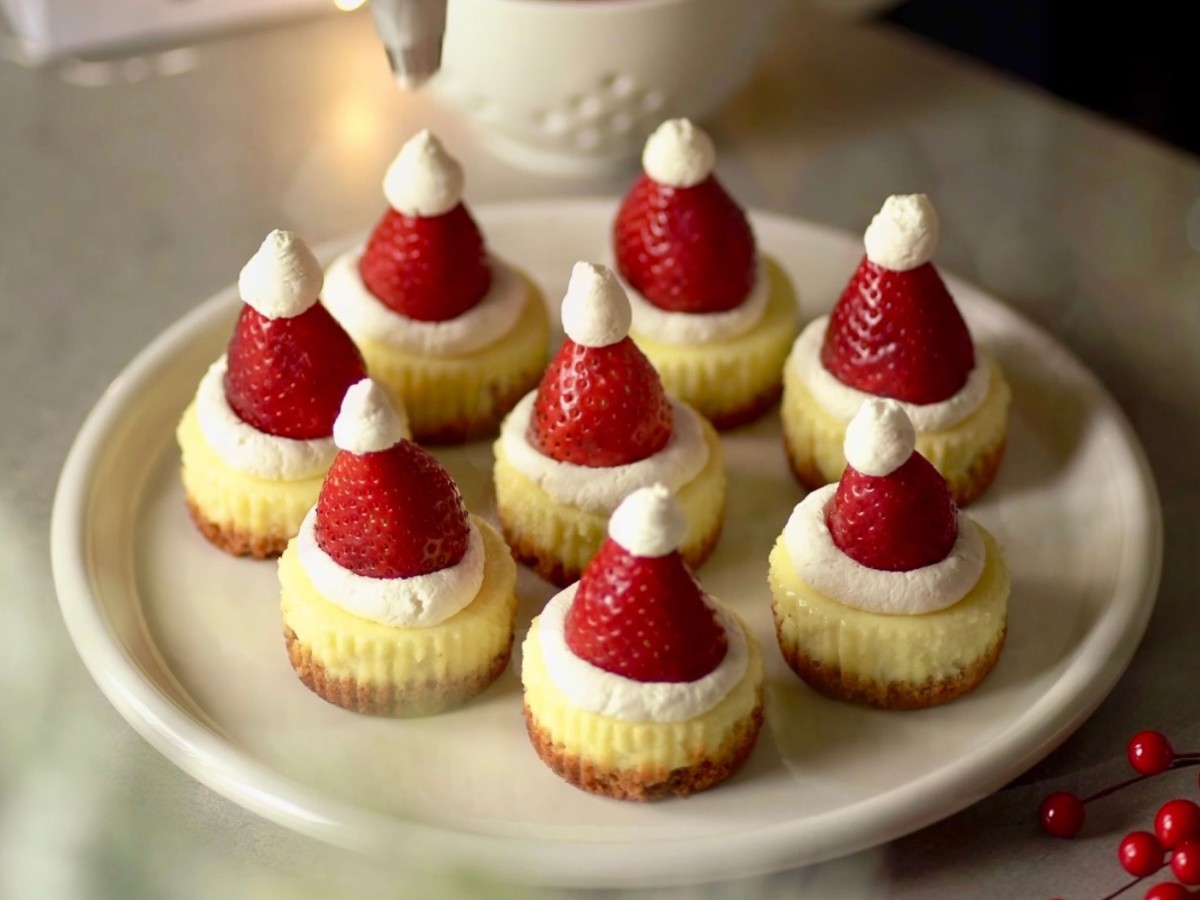
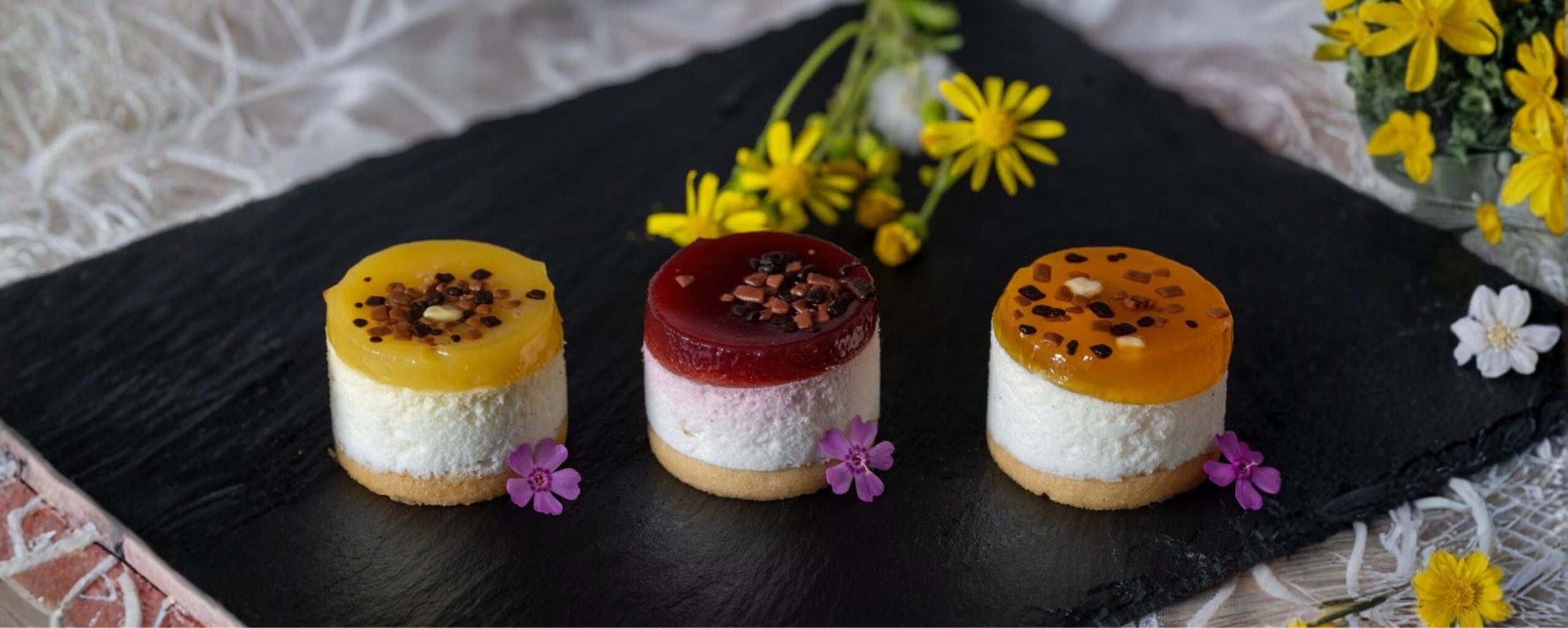
Bakery: Strawberry Margarita Cheesecake Bite
Strawberry gets the first impression; lime, a measured salty accent and an agave-inspired note carry the margarita idea. The cheesecake base gets a vote, too. Make sure the cocktail character can still be heard.
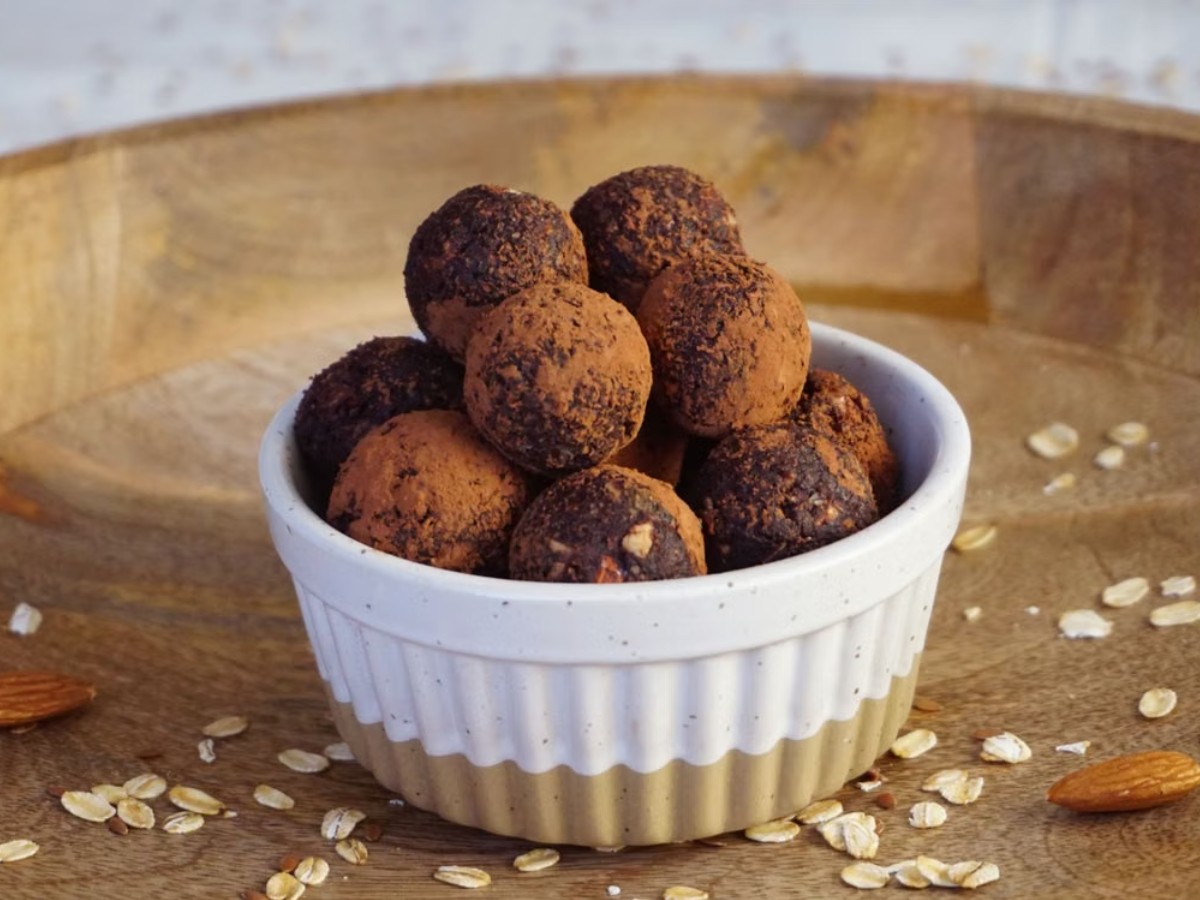
Confectionery: Espresso Martini Truffle.
Coffee and roast give you a starting point. A restrained spirit-inspired note could take it somewhere beyond a coffee truffle. Compare the two at the bench: if the cocktail version tells the same story, it may need more than a better outfit.
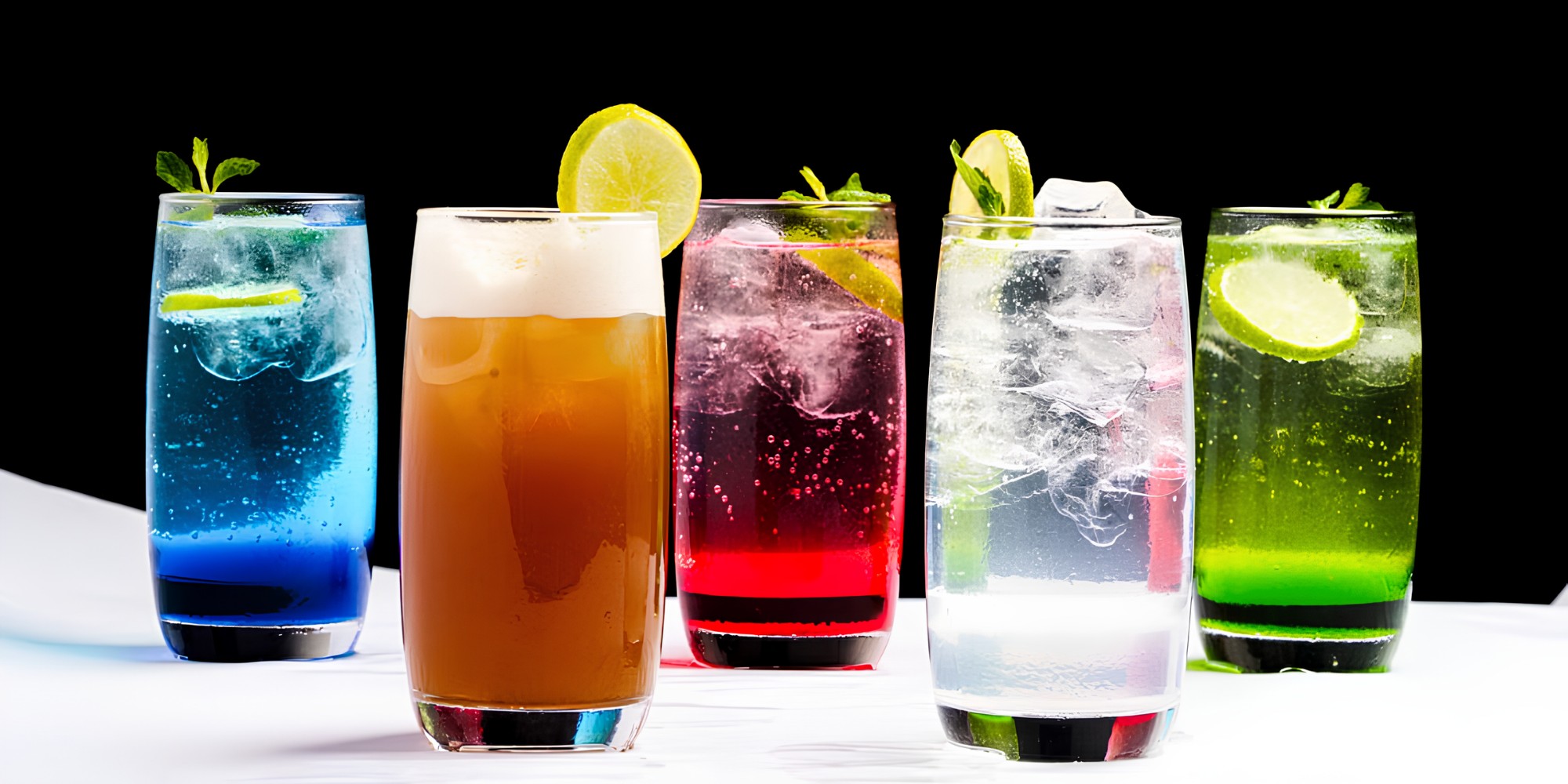
All garnish, no drink? Test the finished product.
A flavor that works in sparkling water may need rebalancing in a creamy base.
Moving the profile into another product isn’t plug-and-play. Lipids and proteins can retain aroma compounds; temperature, pH and other ingredients also affect release. A sparkling-water success doesn’t give the same flavor a free pass into dairy or a higher-solids application.
Taste the whole journey: first aroma, flavor through the middle, sweetness, acidity and the finish. For beverages, include carbonation and mouthfeel. Then repeat in the intended base and under expected processing and storage conditions. A promising first sip is a start, not the finish line.
The warning signs are familiar. Fruit crowds out the cocktail. Bitterness overstays its welcome. Barrel notes get enthusiastic and suddenly you’re in the lumber aisle. Adjust the balance before reaching for another splash of flavor.
The name is the invitation. Flavor has to deliver.
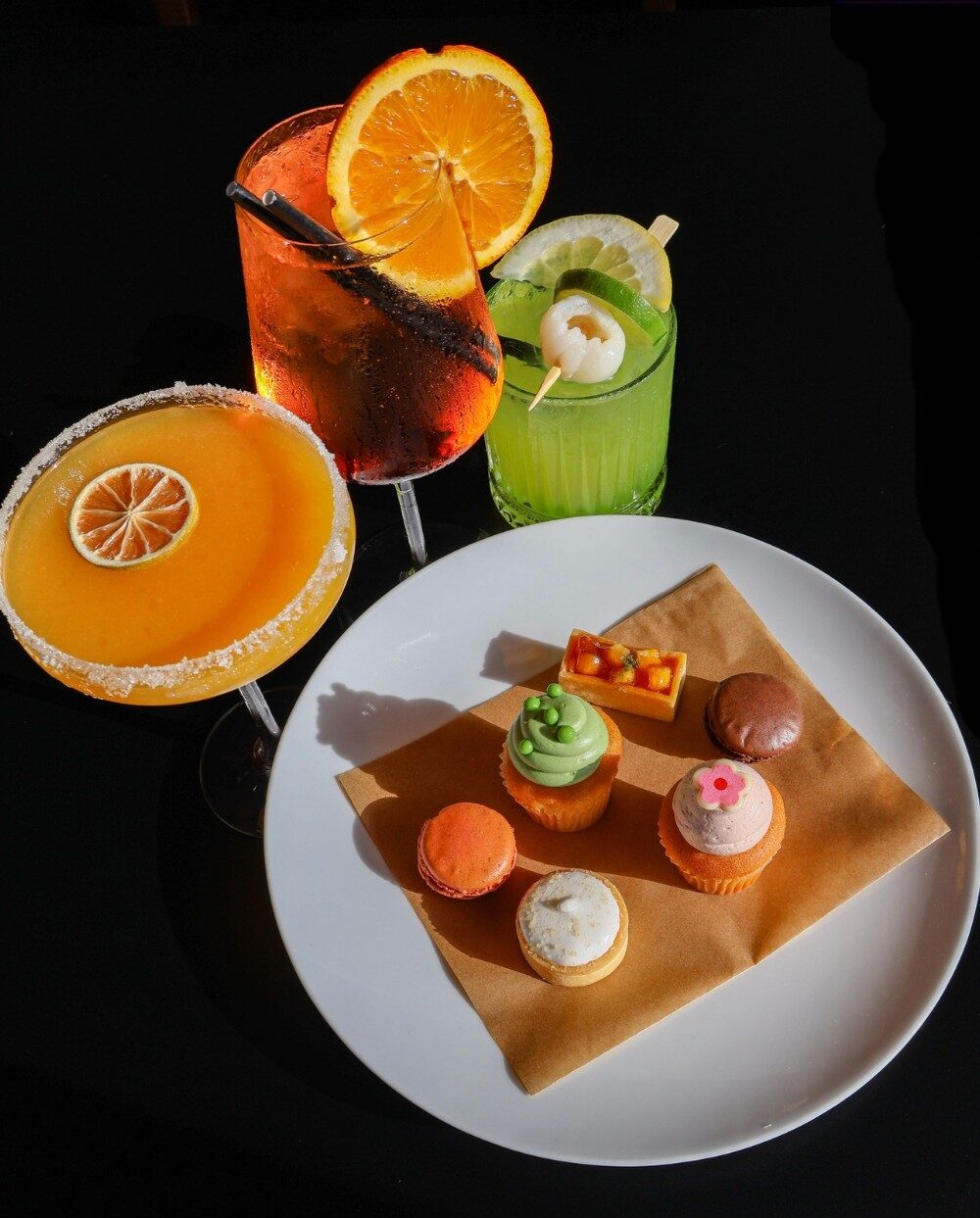
Make the cocktail recognizable in every bite or sip.
Cocktail-inspired flavor gives developers a familiar story to build on. The interesting work is deciding which details make that story worth tasting in a new form. Keep the bright opening, the contrast, the finish—whatever makes the reference click. Then make it work in the product people will actually eat or drink.
The garnish can come later.
Insights & Trends
The Cocktail Escaped the Glass
November 13, 2026
The Great Vanilla Squeeze
October 27, 2026
Beyond Pumpkin Spice: Building Occasion Flavors
October 14, 2026
Premium, Complex… or Medicinal?
September 28, 2026
The Scoville Scale Is Losing the Plot
September 14, 2026

Why the Second Sip Gives Your Sweetener Away
August 28, 2026
When “Naturally Sweet” Gets Complicated
August 11, 2026
The “Protein Problem”
July 29, 2026
Lemon-Lime Lost Its Monopoly
July 14, 2026

Coffee’s Next Frontier
June 22, 2026
Maximalism, Refined: Why Bigger Flavor Is Getting Smarter
June 12, 2026
Spice Without Pain
May 29, 2026
Botanicals Take the Lead
May 14, 2026
Color Talks Before Flavor Does
April 28, 2026
From “Asian-Inspired” to Region-True
April 13, 2026

Strawberry’s Not Moody—Your Formula Is
March 31, 2026
Dessert Déjà Vu, Upgraded
March 12, 2026
Cravings, Rewired: The Science of Shifting Taste
February 26, 2026
Swicy, but Make It Fruit
February 12, 2026

Nostalgia Flavors
January 28, 2026
View All Blog Posts